

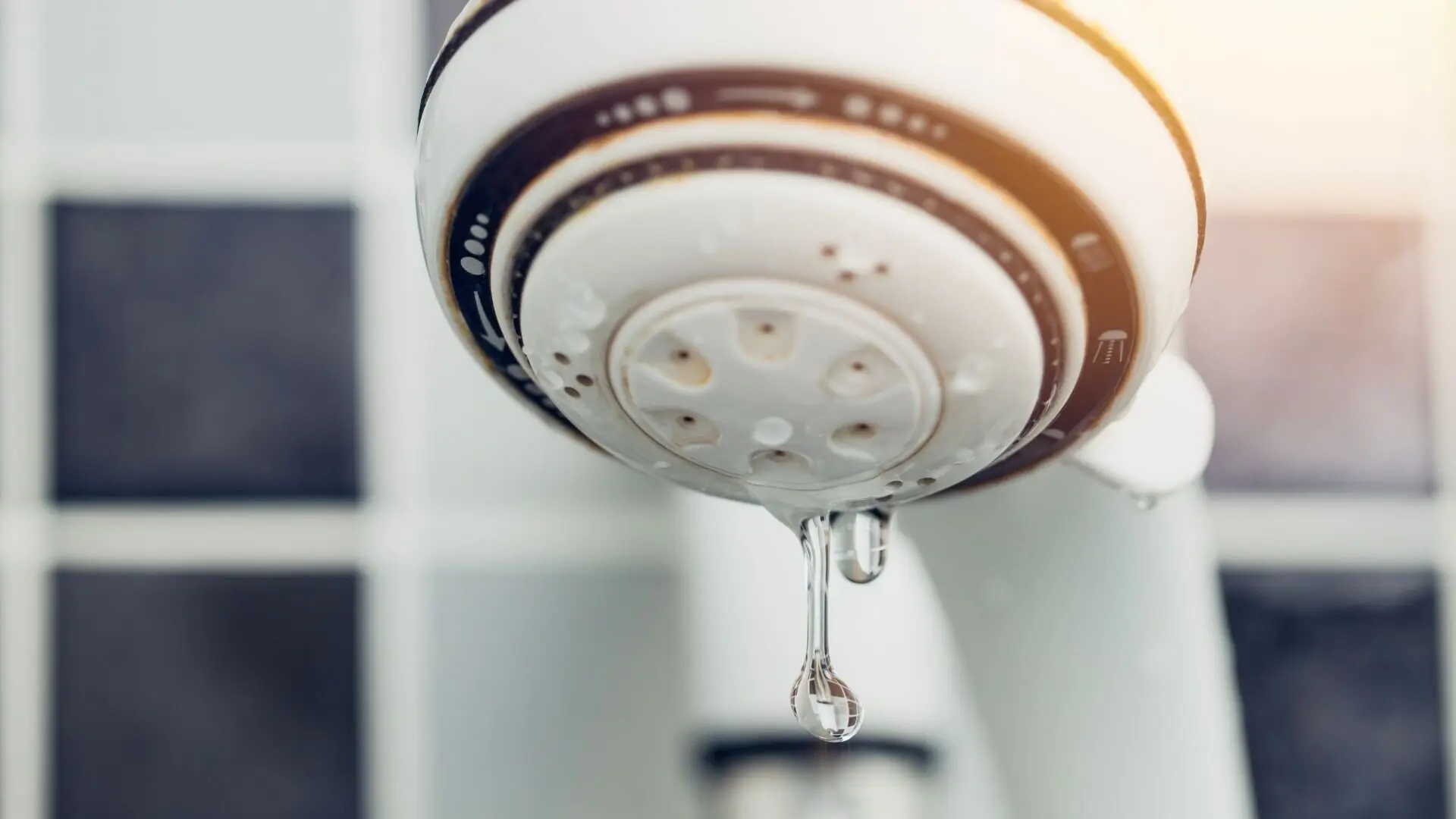
Water damage in Australian homes costs property owners thousands of dollars annually, with bathroom leaks being among the most common culprits. What starts as a minor drip can quickly escalate into structural damage, mold growth, and skyrocketing water bills. The good news? Most shower leaks give you warning signs long before they become catastrophic problems, notes Specialized Property Management Oklahoma City group.
Understanding these early warning signs can save you significant money and stress. This guide will help you identify potential shower leaks, perform basic inspections, and know when it’s time to call in professional help. Visit The Grout Guy for shower repairs in Brisbane. By the end, you’ll have the knowledge to protect your home from water damage and make informed decisions about repairs.
Common Signs Your Shower is Leaking
Water Stains on Ceilings or Walls
One of the most obvious indicators of a shower leak is the appearance of water stains on surfaces below or adjacent to your bathroom. These stains typically appear as brown, yellow, or rust-colored patches that seem to spread over time. You might notice them on:
- The ceiling of the room directly below your bathroom
- Walls that share a boundary with your shower
- Around light fixtures or ventilation fans in the bathroom ceiling
Water stains don’t always appear immediately where the leak originates. Water can travel along pipes, beams, or other structural elements before appearing in visible areas. This means a stain in your living room ceiling could indicate a shower leak in the bathroom above.
Mold and Mildew Growth in Unusual Places
While some mold in bathrooms is normal due to humidity, finding mold in unexpected locations should raise red flags. Look for:
- Black, green, or white patches on walls outside the shower area
- Musty odors that persist even after thorough cleaning
- Mold growth on baseboards or floor edges near the bathroom
- Discoloration on carpets or rugs adjacent to the bathroom
Mold thrives in consistently moist environments. If you’re finding it in areas that shouldn’t regularly get wet, hidden moisture from a shower leak is likely the cause. This is particularly concerning because mold can cause health issues for your family and indicate more extensive water damage.
Peeling Paint or Wallpaper
Excess moisture from shower leaks causes paint and wallpaper to lose their adhesion to wall surfaces. You might notice:
- Paint bubbling or peeling in strips
- Wallpaper corners lifting or entire sections coming away from walls
- Discoloration that appears to “bleed” through fresh paint
- Soft or spongy feeling when you press on painted walls
These issues typically start small but expand rapidly as moisture continues to accumulate behind the surface materials. What begins as a small bubble can quickly become large areas of peeling paint or wallpaper.
Warped or Damaged Flooring
Shower leaks often affect flooring materials, especially if water seeps under the shower base or through wall connections. Warning signs include:
- Wooden floors that feel soft or bouncy when walked on
- Tiles that sound hollow when tapped or feel loose underfoot
- Vinyl or laminate flooring that’s lifting at the edges
- Gaps appearing between floorboards
- Discoloration or staining on flooring materials
Subfloor damage from water leaks can be expensive to repair and may require complete floor replacement if left untreated. The longer water sits under flooring, the more extensive the damage becomes.
Unexplained Increases in Water Bills
A sudden spike in your water bill without changes in usage patterns often indicates hidden leaks. While shower leaks might seem minor compared to burst pipes, they run continuously and can waste significant amounts of water over time.
Monitor your water usage patterns and compare bills from similar seasons in previous years. Even small increases of 10-20% can indicate leaks that need attention. Some water companies provide leak detection services or can help you identify unusual usage patterns.
DIY Inspection Methods
The Food Coloring Test for Hidden Leaks
While primarily used for toilet leaks, this technique can help identify shower leaks too. Add several drops of food coloring to your shower base or around suspect areas. Wait 30 minutes without using the shower, then check for colored water in unusual places. This method works best for detecting leaks in shower pan liners or drain connections.
Checking Shower Door Seals and Hardware
Inspect the rubber seals around your shower door by:
- Running your finger along all seals to check for cracks, tears, or missing sections
- Looking for mineral buildup that might prevent proper sealing
- Testing door closure to ensure it fits snugly against seals
- Checking for loose or corroded hardware that might affect door alignment
Replace worn seals promptly, as they’re your first line of defense against water escaping the shower area.
Inspecting Grout and Caulking
Grout and caulk failures are common causes of shower leaks. During your inspection:
- Look for cracks, gaps, or crumbling sections in grout lines
- Check caulk around the shower base, corners, and fixture connections
- Test grout stability by gently pressing with your finger
- Look for dark stains or discoloration that might indicate water penetration
- Check behind removable fixtures like soap dishes or grab bars
Grout and caulk naturally deteriorate over time, but rapid degradation often indicates water problems or poor initial installation.
Monitoring Your Water Meter
Turn off all water sources in your home and check your water meter. If the meter continues to move, you have a leak somewhere in your system. While this won’t pinpoint shower leaks specifically, it confirms that water is flowing when it shouldn’t be.
For more precise monitoring, some smart water meters or leak detection devices can identify specific usage patterns and alert you to potential problems.
Temporary Solutions vs. Professional Repairs
When DIY Solutions Are Appropriate
Simple maintenance tasks that homeowners can typically handle include:
- Replacing worn caulk around shower edges
- Tightening loose fixtures or hardware
- Cleaning and resealing minor grout gaps
- Replacing shower door seals or weatherstripping
These solutions work well for surface-level problems but won’t address underlying structural issues or major waterproofing failures.
Limitations of Temporary Fixes
While DIY solutions might stop visible leaks temporarily, they rarely address root causes. Common limitations include:
- Inability to access leaks behind walls or under flooring
- Lack of specialized tools for proper waterproofing
- Missing underlying damage that continues to worsen
- Temporary fixes failing within months, leading to repeated repairs
Cost Comparison: Short-term Fixes vs. Professional Repair
Initially, DIY solutions appear more economical. A tube of caulk costs under $10, while professional shower repairs might cost hundreds or thousands of dollars. However, repeated temporary fixes add up quickly, and they don’t prevent the ongoing damage that increases repair costs over time.
Professional repairs address problems comprehensively, often including:
- Complete waterproofing membrane replacement
- Structural damage assessment and repair
- Proper drainage system installation
- Warranties that protect your investment
For Brisbane homeowners facing persistent shower leaks, professional services like The Grout Guy offer specialized leaking shower repair solutions that address the root causes rather than just symptoms. Their comprehensive approach ensures that repairs last longer and prevent future problems.
Finding the Right Professional Help
Qualifications to Look For
When selecting a shower repair specialist, prioritize companies that demonstrate:
- Licensing and insurance appropriate for plumbing and waterproofing work
- Experience specifically with shower leak repairs and bathroom waterproofing
- References from recent customers with similar problems
- Knowledge of Australian building codes and waterproofing standards
- Membership in relevant trade associations
Questions to Ask Before Hiring
Before committing to any repair service, ask:
- Can you provide a detailed written estimate?
- What warranties do you offer on labor and materials?
- How will you identify the source of the leak?
- What’s included in the repair process?
- Do you handle any necessary permits or inspections?
- Can you provide recent customer references?
Understanding Comprehensive Solutions
Companies specializing in leaking shower repair typically offer comprehensive assessments and long-term solutions for bathroom waterproofing issues. They understand that visible leaks often indicate broader problems requiring systematic approaches.
Professional services usually include:
- Thorough moisture testing and damage assessment
- Complete waterproofing membrane installation
- Structural repairs if needed
- Quality materials designed for wet area applications
- Follow-up inspections to ensure repairs are effective
Protecting Your Investment Through Professional Assessment
Even if you’re handy with basic repairs, complex shower leaks benefit from professional diagnosis. Waterproofing specialists use moisture meters, thermal imaging, and other tools to identify problems that aren’t visible to the naked eye.
Professional assessment typically costs less than major repairs resulting from untreated leaks. Most reputable companies offer free or low-cost initial consultations that can save you money in the long run.
Conclusion
Shower leaks rarely fix themselves, and delaying repairs almost always increases costs and damage. The five warning signs discussed – water stains, mold growth, peeling paint, flooring damage, and increased water bills – give you early opportunities to address problems before they become expensive disasters.
While basic maintenance and minor repairs are within most homeowners’ capabilities, persistent leaks require professional intervention. The combination of specialized knowledge, proper tools, and comprehensive approaches makes professional repair services a wise investment for significant shower leak problems.
Don’t wait until water damage affects your home’s structure or creates health hazards for your family. If you’re seeing multiple warning signs or if DIY solutions haven’t solved the problem, it’s time to consult with waterproofing professionals who can provide lasting solutions.
Remember, the cost of professional shower leak repair is almost always less than the cost of ignoring the problem. Protect your home, your health, and your wallet by taking shower leaks seriously and addressing them promptly with the right combination of vigilance and professional expertise.