

Key Takeaways
- Modern waterfront living expertly blends urban amenities with natural surroundings, improving well-being and vibrant communities.
- Design focuses on sustainability, resilience, and inclusive access while honoring the unique character of each location.
- Global case studies illustrate how thoughtful planning successfully integrates nature into the urban fabric.
Waterfront living is no longer defined by secluded coastal cottages or simple riverfront cabins. Today, many communities are embracing an innovative blend of urban sophistication and natural beauty, transforming once-overlooked waterfronts into vibrant, sustainable hubs for living, working, and recreation. What was once an exclusive privilege now offers a lifestyle that balances environmental mindfulness with lifestyle amenities. For those seeking to immerse themselves in this growing trend, there’s a thriving market for homes for sale in Ottawa, IL, and other unique waterfront opportunities throughout the country.
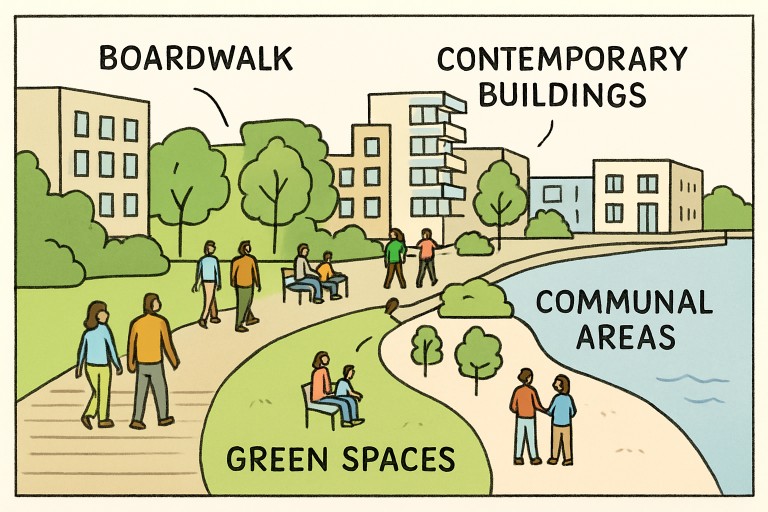
As architects and developers focus on holistic wellbeing and environmental stewardship, there is an increasing emphasis on integrating nature and community in waterfront developments. Modern residents seek resilient ecosystems and innovative designs that address climate change, leading to thoughtful planning that promotes walkability, green roofs, diverse habitats, and engaging public spaces. This trend underscores a global shift towards sustainable development, transforming real estate and urban design standards.
The Evolution of Waterfront Living
Historically, waterfront properties provided rustic escapes—a chance to connect with the water through fishing, boating, or quiet relaxation. As urban populations have grown and demand for housing and active lifestyles increased, these scenic locales have been recast as sophisticated, amenity-rich destinations. Modern waterfront developments now feature smart homes, green space corridors, and shared communal areas. These new communities are redefining the notion of living at the water’s edge, with a focus on climate resilience and long-term sustainability.
Design Principles for Modern Waterfront Communities
The most successful waterfront projects are grounded in key design principles that anticipate environmental challenges and social needs:
- Sustainability:Green building materials, renewable energy, and pollution mitigation come standard, ensuring minimal impact to fragile ecosystems.
- Resilience:Nature-based strategies, such as living shorelines, rain gardens, and adaptive infrastructure, protect against rising seas and increasingly frequent weather extremes.
- Inclusivity:Accessible paths, diverse housing types, and community spaces welcome residents and visitors of all ages and abilities, fostering social equity.
- Distinctiveness:Each project celebrates its environmental context, whether it’s wetlands, rivers, or coastal bluffs, to nurture a sense of place and pride among residents.
Case Studies: Successful Waterfront Integrations
Urban planners across the globe are transforming waterfronts with innovative community-centered projects:
- HafenCity, Hamburg:Once an industrial port, this vibrant eco-district now integrates flood protection, green infrastructure, and public access. Promenades double as flood barriers, while canal-side squares host markets and cultural events. The area attracts business and tourists, exemplifying the balance of development with ecological stewardship.
- Schoonschip, Amsterdam:This floating neighborhood is a pioneer in sustainable living. Homes are built to move with the tides and incorporate solar panels, heat pumps, and water reclamation systems. The community sets a high bar for adaptive design as climate change causes fluctuating water levels.
Benefits of Integrating Nature into Urban Living
Blending nature and urban life on the waterfront brings holistic benefits:
- Enhanced Biodiversity:Green spaces attract pollinators, birds, and native species, restoring ecological balance to the built environment.
- Improved Environmental Health:Blue and green infrastructure help filter air and water, reducing heat islands and runoff pollution.
- Increased Resilience:Adaptable waterfronts are better equipped to withstand storms, flooding, and long-term sea level rise.
- Enriched Quality of Life:Trails, parks, and recreational amenities improve physical health, reduce stress, and strengthen social bonds among residents.
Challenges and Considerations
Despite their promise, these projects are not without hurdles:
- Balancing Development and Conservation:Avoiding damage to existing habitats and ensuring new construction supports local wildlife requires diligent environmental assessment.
- Community Engagement:Effective waterfront improvements are inclusive and collaborative—planners must include local voices to create spaces truly valued by their communities.
- Funding and Resources:Sustainable infrastructure and resilient landscapes often require significant investment, creative financing, and ongoing maintenance commitments.
Future Trends in Waterfront Development
The continued evolution of waterfront living is set to deliver even more innovative features:
- Smart and Sustainable Design:Integrated technology, energy-efficient building standards, and smart water management systems will become the norm in new developments.
- Wellness-Focused Amenities:Future communities will prioritize active lifestyles and holistic health, from kayak launches to yoga decks and waterfront fitness centers.
- Mixed-Use Hubs:Combining residential, commercial, and recreational uses around public spaces encourages walkability and community interaction, making waterfront living accessible and lively from dawn to dusk.
Conclusion
The transformation of urban waterfronts signals a bold, optimistic shift in how we design communities and relate to our environment. Sustainable, adaptable, and inclusive, these innovative developments offer a blueprint for the cities of tomorrow—where people, water, and wildlife thrive in harmony.