

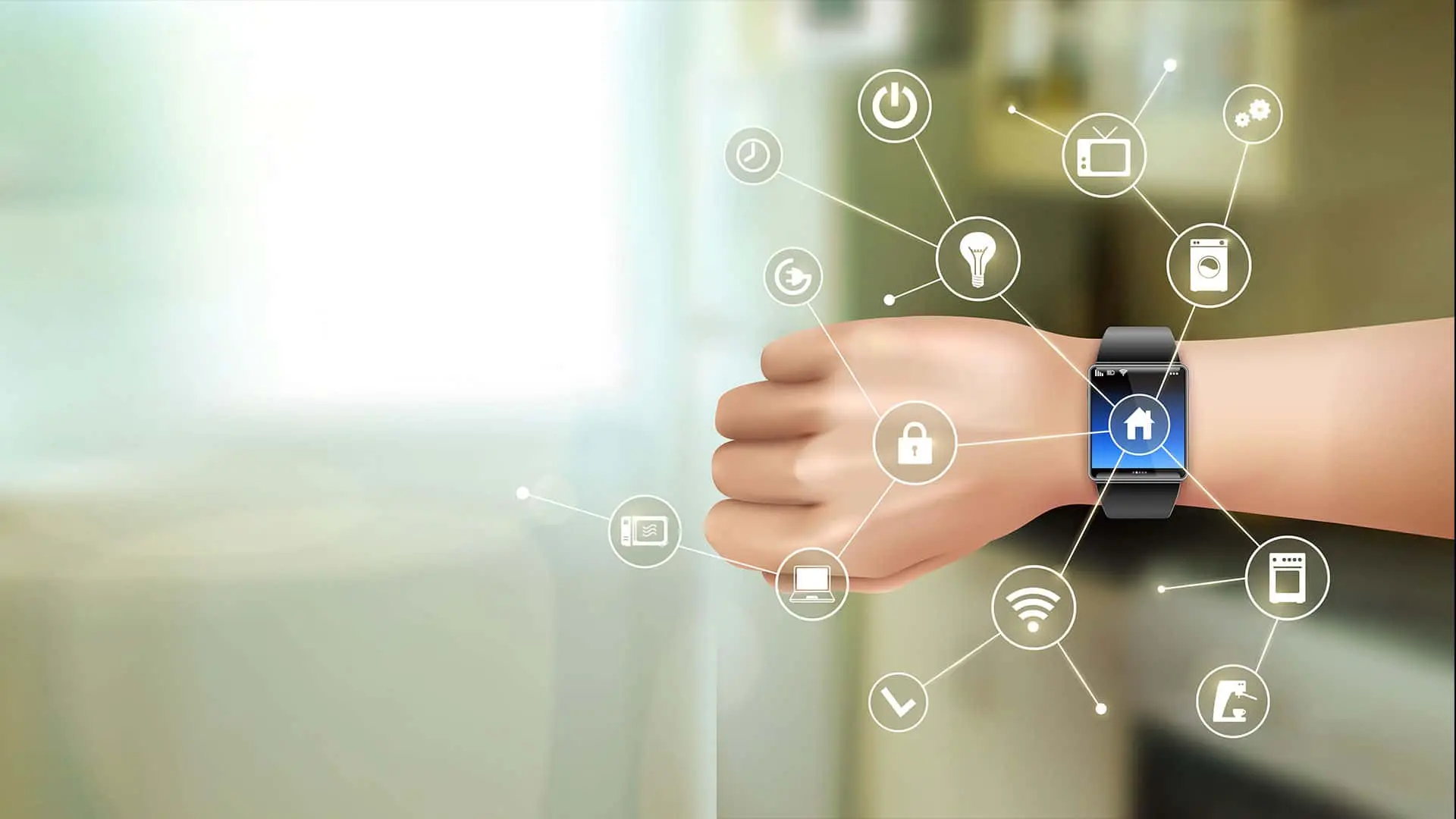
You probably see a lot more smart rings and watches on people today than you did even five years ago. It feels like almost everyone is checking their wrist or their finger to see how they slept or how many steps they took. This is not just a local trend in your neighborhood. People everywhere are moving towards a way of life that values constant, real-time data about their bodies.
The global wearable technology market is booming because of this. By the year 2034, the industry is estimated to be valued at about USD 302.27 billion. Some estimates even put it higher, depending on how you count things like smart clothing and medical-grade sensors. This is a massive number. It shows that wearable technology trends are no longer just for tech enthusiasts; they are a main part of the modern economy.
The growth comes from a mix of things. We have better sensors and much more comfortable designs. People are also just tired of waiting for a yearly doctor visit to find out whether they are healthy. The expansion of these devices worldwide is driven by lifestyle changes that prioritize preventing problems before they start. People want to stay mobile and better manage their lifestyle. These goals are pushing the industry to grow faster than many expected.
Why Wearable Technology is Growing Worldwide
A lot of this comes down to how much more we focus on personal health now. People are becoming much more health-conscious. Between the stress of daily life and the availability of better health apps, we want to know what is happening under the hood. Wearables let people check their heart rate or oxygen levels whenever they want. This awareness is a big driver. When people find something that helps them feel in control of their health, they tend to stick with it.
There is also a growing need for integration with our smartphones. We already carry these tiny computers everywhere. Making them work with a watch or a ring just makes life easier. You can check a text or change a song without pulling out your phone.
Even hospitals are integrating more wearable technology trends. Remote patient monitoring is becoming a standard practice, as doctors can now monitor patients after they leave the hospital. They can see if someone with a heart condition is doing well without having to drive back and forth to the clinic. It is a practical move for everyone. It reduces the burden on the healthcare system and lets people recover in their own beds.
Wearable Technology Trends Shaping the Industry
The way these devices look and work is changing significantly. You see more smart rings that focus on a very specific, subtle vibe. They are smaller and feel more like regular jewelry. Having such discreet designs makes a big difference for people who want the data but do not want to look like they are wearing a gadget.
Another shift is the move toward AI-enabled tracking. This means your device does not just show you a number. It tells you what that number means. If your heart rate is higher than usual, the AI might suggest you had too much caffeine or that you might be getting a cold. This level of personalized feedback is helping wearable technology trends stay relevant. It turns raw data into actual advice.
Most companies are also moving toward non-invasive monitoring of conditions such as blood pressure and glucose. This is a huge deal. For a long time, checking these things meant needles or bulky cuffs. Now, sensors are getting so small and accurate that they can do it from your wrist. It takes the pain and the thinking out of the process.
We are also seeing a demand for smart clothing and shoes. It is not just about the wrist anymore. You can have sensors in your clothes or your running shoes that track your form and posture. This not only helps avoid injury but also improves your daily movements.
Key Market Segments in Wearable Technology
The industry is not just one big block. It is split into different groups that serve different needs.
- Smartwatches: These are the most common and offer the most features, including calling and fitness tracking.
- Fitness Trackers: These are usually simpler and cheaper, focusing mostly on movement and sleep.
- Smart Clothing and Shoes: This segment is smaller but growing fast, especially for professional athletes.
- Healthcare Wearables: These are medical-grade devices used for tasks such as hearing aids and continuous glucose monitors.
Each of these has its own crowd. Some people want the expensive, fully-featured watch that does everything. Others just want a cheap band to track their walks. It is good to have options. It means more people can find something that works for their budget.
Wearable Technology Adoption in Healthcare
The use of these devices in medicine is probably the most important trend. It is changing how we handle long-term care. Remote monitoring is no longer just a pilot program. It is how many people manage chronic diseases. For the elderly, wearables can detect if someone has fallen or if their heart rate is abnormal. It provides a safety net that lets people stay independent longer.
Clinics are also using wearables to collect research data. Instead of asking a person how they slept three weeks ago, they can just look at the actual data. This makes for much better science. It is a more accurate way to understand how different habits affect our health.
Market Outlook and Future Forecast for Wearables
The demand for these types of devices is not going away. People will always need a way to stay healthy and connected. Looking at the industry data helps to see that this is a solid, growing part of the economy. It is a business that relies on people wanting to take better care of themselves. That is a good thing to see.
Investment in sensor technology is at an all-time high. Companies are trying to find ways to make batteries last longer and sensors work through thicker skin or different movement patterns. This constant improvement means that the devices we buy next year will be much better than the ones we have now. As long as people value their time and their health, the industry has plenty of room to grow.
Final Thoughts: Why Wearable Technology Research is Important
Understanding these trends is about more than just knowing what the newest gadget is. It is about seeing how our relationship with technology is changing. We are moving from devices we use to devices we wear. This shift affects everything from how we talk to our doctors to how we buy clothes.
Reliable industry research from companies like Polaris helps brands know what people actually want. It shows that people are looking for comfort and accuracy over flashy features alone. This leads to better products and more useful tools for the average person. Looking at the forecast, it is clear that wearables are becoming a permanent part of our daily routine.