

A home uses more resources every day than many homeowners realize. Water flows through fixtures, energy keeps rooms comfortable, and windows can influence how efficiently a home maintains its temperature. Understanding these less obvious areas can help homeowners recognize where everyday choices and home features affect overall resource use.
Everyday Water Use Adds Up Quickly
Water consumption is a routine part of household life, from taking showers and washing dishes to doing laundry and using bathroom fixtures. Because these activities happen throughout the day, individual uses can seem relatively small when considered separately. Over time, however, repeated habits can add up to a substantial amount of water use.
According to FieldCamp, the average person in the United States uses about 88 gallons of water each day. This figure includes the many ways people rely on water throughout their daily routines, rather than reflecting one specific household activity. For homeowners, understanding this average can provide useful context when considering how much water their household may be using.
There are several practical ways to become more aware of household water consumption. Checking for dripping faucets, running toilets, or other plumbing issues can help identify water that is being used unnecessarily. Homeowners can also pay attention to how long showers run, how frequently appliances are used, and whether fixtures are designed with efficiency in mind.
Windows Can Influence Home Energy Use
Windows serve an important purpose beyond providing natural light and views. They also form part of the boundary between the conditioned indoor environment and outdoor temperatures. When windows allow too much heat to escape or enter, heating and cooling systems may need to work harder to maintain comfortable indoor conditions.
The U.S. Department of Energy estimates that approximately 30% of the heating energy used in a home can be lost through windows. This highlights why window performance can be an important consideration when looking at household energy use. Factors such as window construction, glass type, seals, and coverings can all influence how much heat moves through these areas.
Window treatments can also play a role in managing sunlight and indoor temperatures. Shades, blinds, and curtains can reduce direct solar exposure when outdoor conditions are warm while helping homeowners manage natural light throughout the day. Choosing window coverings based on the room’s orientation, sunlight exposure, and everyday needs can be one part of a broader approach to managing energy consumption.
Solar Power Is Changing How Homes Use Energy
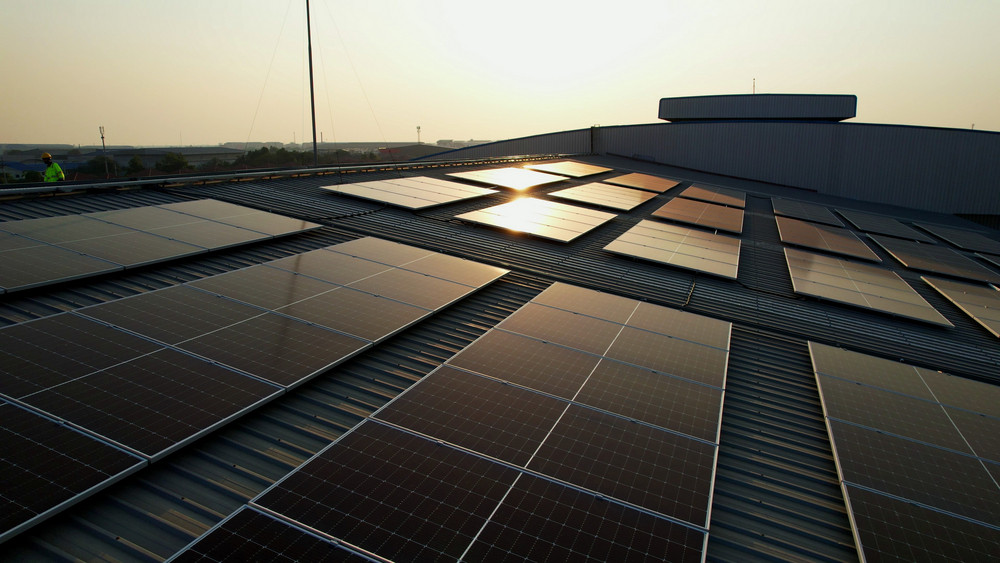
Home energy use is also being influenced by the growing availability of renewable energy technologies. Rooftop solar systems allow homeowners to generate electricity from sunlight directly at their properties. For households considering changes to their energy setup, solar power can represent a significant shift in how electricity is produced and consumed.
Energy.gov projects that more than one in seven U.S. homeowners will use a rooftop solar photovoltaic system by 2030. This projection reflects the expected expansion of residential solar adoption over the coming years. As more homeowners consider solar PV systems, renewable energy is becoming an increasingly relevant part of conversations about household electricity.
Solar is only one component of a home’s overall energy strategy. Before making changes, homeowners may consider factors such as available roof space, sunlight exposure, electricity needs, equipment requirements, and local conditions. Understanding how a property currently uses energy can also help homeowners identify which improvements may make sense for their particular situation.
Energy and water use are connected to many ordinary parts of maintaining a home. A morning shower, a heating system running on a cold day, or sunlight entering through a window can all contribute to the resources a household uses. These activities may feel separate, but together they form a larger picture of residential resource consumption.
Homeowners do not necessarily need to make major changes to become more aware of these patterns. Monitoring water use, maintaining plumbing fixtures, evaluating window performance, and learning about renewable energy options can all provide useful information. Even simple observations can make it easier to understand where a home uses resources and where improvements may be possible.
The most useful approach is to look at the home as a complete system rather than focusing on one appliance, fixture, or feature. Water consumption, insulation, windows, heating and cooling, lighting, and electricity generation can all influence how efficiently a property operates. By understanding these hidden contributors, homeowners can make more informed decisions about maintenance, upgrades, and everyday habits.




