

Key Takeaways
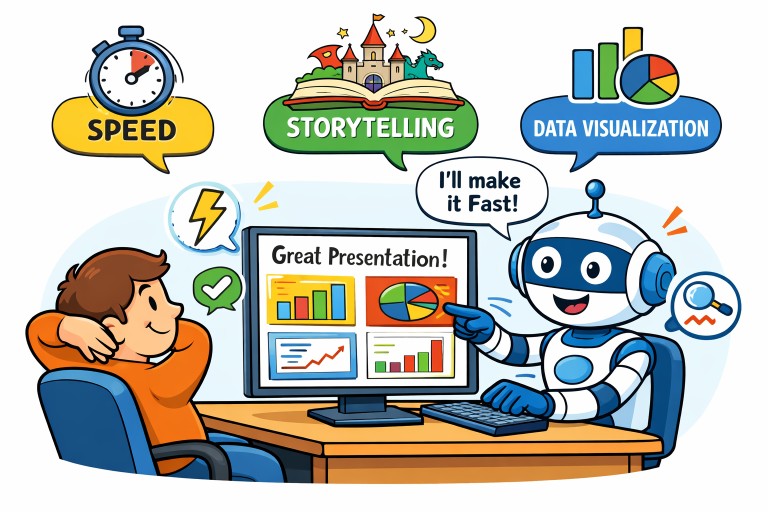
- AI is revolutionizing how presentations are designed, streamlining the creation process and boosting visual impact.
- Automated design elements allow presenters to focus more on delivering compelling stories and less on slide aesthetics.
- Personalization, efficiency, and smarter data visualization are central benefits of integrating AI in presentation design.
The Evolution of Presentation Design
Presentation design has seen a dramatic transformation over the past decade. In the past, creating a professional deck meant long hours spent on visual layout, choosing color combinations, and finding the right images. Today, new AI-powered tools are simplifying these tasks, quickly turning ideas into eye-catching visuals without sacrificing quality. One standout solution is the AI slideshow generator, which automates many of the most time-consuming design steps. As a result, even users without formal design training can produce polished presentations that stand out.
By taking over tedious layout tasks and offering intelligent design suggestions, AI frees creators to focus on their core message. Automated features enable consistent branding, easy content updates, and rapid iteration, criteria particularly valuable for professionals who need to keep their presentations sharp and current.
Enhancing Storytelling with AI
A compelling story is the heart of every impactful presentation. AI supports storytelling by analyzing content structure and pinpointing the narrative flow that resonates most with an audience. These intelligent systems can scan raw input, identify major themes, and recommend coherent slide sequences. This ensures that the presenter’s message progresses naturally, keeping the audience engaged from start to finish.
With the help of AI, users gain smart prompts about where to break up dense information or insert visuals that illustrate key points. This data-driven approach to narrative design has been a game-changer, especially for users looking to elevate their message and guarantee that every slide earns the viewers’ attention.
Speed and Efficiency in Slide Creation
One of the most impressive advances in AI-driven presentation design is sheer speed. What once took hours, or even days, now takes minutes. Modern platforms transform raw ideas or outlines into attractive slides almost instantly. This is particularly invaluable in high-pressure business environments or for educators preparing for lessons on short notice. According to a recent Forbes report, the acceleration of AI in content creation allows organizations to respond more quickly and effectively in real time.
With rapid template selection, automated font and color matching, and drag-and-drop editing, AI-powered tools enable even novice users to achieve professional results. As a result, productivity increases and presentations consistently meet modern visual communication standards.
Personalization and Adaptability
Personalization is now at the center of impactful presentation design. AI tools can automatically suggest template styles that align with a brand or adapt presentations for different audience demographics. Presenters can choose from curated color palettes, customized fonts, and adaptable layouts that reflect unique preferences or brand guidelines. These platforms support easy modifications, making it effortless to tailor the same core content for executives, clients, or team members.
By understanding the audience’s needs and adjusting narratives or design elements accordingly, AI enhances both relevance and engagement. As adaptability becomes increasingly important across sectors, these intelligent solutions set a new standard for presentation customization.
Integrating Data and Visuals Seamlessly
Making sense of complex information often relies on clear, insightful visuals. AI-driven platforms are indispensable for streamlining data integration, whether it’s automatically generating colors that highlight trends or building charts and graphs that make numbers relatable. This approach makes information more digestible and ensures that every slide communicates maximum value with minimal clutter.
For example, linking presentation tools to real-time data sources enables on-the-fly updates and ensures presentations always reflect the latest insights. This deeper integration of data and visuals empowers presenters to deliver with confidence and clarity.
Overcoming Design Challenges
Not everyone is a skilled designer, which has traditionally posed a barrier to effective presentations. AI eliminates this obstacle by offering design best practices right within the workflow. Smart recommendations for image placement, font pairings, and alignment help users avoid common pitfalls and produce visually balanced slides. Automated formatting safeguards consistency, allowing users to focus on delivering their message rather than troubleshooting design details.
This democratization of visual storytelling means anyone, from business professionals to students, can turn out striking presentations, regardless of their background or creative skill set.
Future Trends in AI Presentation Design
The AI-driven revolution in presentation design is still gaining momentum. As tools become even more intuitive, features like real-time collaboration, deeper integration with other software platforms, and support for multimedia will only accelerate. Enhanced AI capabilities may include voice recognition for instant outline creation, live language translation, and interactive elements that invite direct audience participation.
These trends point to a future where presentations are not just visually polished but also interactive and deeply integrated with organizational workflows. Professional communication will become more agile, persuasive, and resource-efficient as AI innovation continues to evolve.
Conclusion
AI-powered presentation design is rapidly changing the landscape of visual storytelling. With newfound speed, efficiency, and artistry, presenters can concentrate on what matters most: communicating ideas that captivate and inform. As the technology matures, users will continue to benefit from smarter tools that make every message truly resonate.