

Ensuring the safety and integrity of components during manufacturing, shipping, or storage is paramount for any industry. A highly effective way to protect parts from dust, debris, and environmental factors is through the use of caplugs. These small protective covers can provide a secure fit for various types of equipment, safeguarding the functionality and extending the life of components. Understanding the suitable type of caplug for your specific needs is crucial to ensure maximum protection. Below, we will delve into everything you need to know about caplugs for your components.
Understanding the Basics of Caplugs: What They Are and How They Function
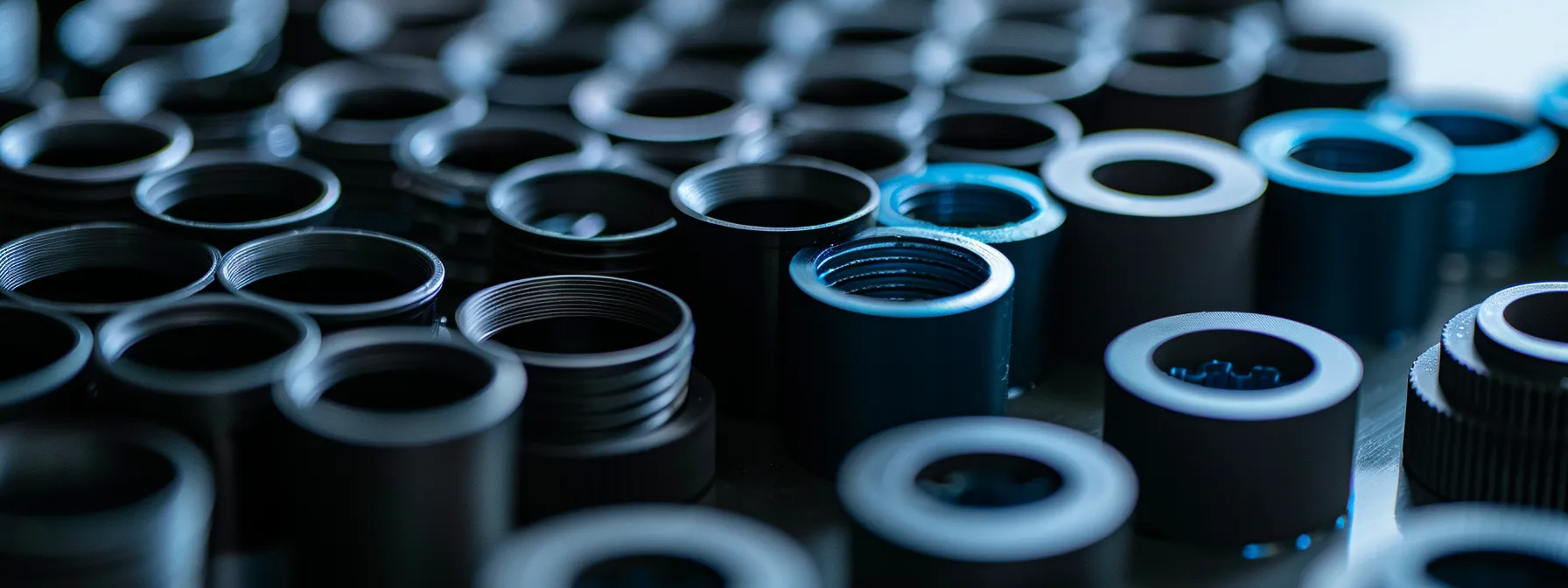
Caplugs are protective caps and plugs designed to shield product ports, threads, and edges from damage, contamination, and wear during handling and shipment. Available in a range of shapes and sizes, they are manufactured from materials like plastics, silicone, and rubber to provide flexibility and a secure, non-damaging fit.
Many designs feature ridged or tapered exteriors for stability and easy removal, while custom options accommodate unique geometries. Caplugs also serve as masking agents during processes such as painting or coating, keeping areas free from applied substances. Selecting the right caplug depends on the environmental conditions, component material, and intended duration of use, whether short-term shipping protection or long-term storage.
Evaluating Different Types of Caplugs for Various Applications
Diverse industries require a variety of caplug types designed for specific applications. Tapered plugs accommodate multiple internal diameters due to their flexibility, while pull-tab plugs allow easy removal without tools. Threaded caplugs protect threaded components with a secure screw-on fit, whereas non-threaded options like push-fit or snap-fit safeguard non-threaded surfaces efficiently.
Some applications demand materials that resist extreme temperatures or corrosive chemicals, such as silicone or EPDM, to maintain component integrity. Caplugs also come in different colors, enabling part identification and coding during manufacturing or assembly. Selecting the appropriate type and material ensures protection against damage, contamination, and potential operational failures.
Material Considerations for Caplugs: Durability and Compatibility
When selecting caplugs, material composition is crucial as it dictates the level of protection provided. Common plastics like polyethylene are cost-effective and flexible, suitable for general applications, while specialized environments may require materials such as neoprene or fluoropolymers for temperature resistance or chemical compatibility.
Matching the caplug material to its application prevents degradation or premature failure, such as using silicone for high-temperature masking during powder coating or selecting oil-resistant materials for greasy environments. While more durable materials often incur higher costs, balancing durability with budget ensures reliable protection. Environmental concerns can influence choices, with biodegradable or recyclable options supporting sustainability initiatives.
Installation and Removal Techniques for Caplugs

The installation of caplugs should ensure a secure fit without damaging the protected component, preventing dislodgement during handling or transit. Different caplug styles may require specific techniques to achieve proper installation. Removal is designed to be straightforward, with pull-tabs or ergonomic edges allowing easy detachment without tools, supporting time efficiency in manufacturing settings.
Workers should be trained in correct removal methods to avoid part damage. Proper handling enables reuse of many caplugs, offering cost savings and reducing waste. Some caplugs, particularly those used in masking for finishing applications, are intended for single use. Understanding reusability supports efficient inventory management and operational cost control.
Ensuring Optimal Protection: Maintenance and Storage Tips for Caplugs
Maintenance of caplugs is essential for their effective use, yet often overlooked. Regular inspection and cleaning of reusable caplugs help prevent contaminants from reaching protected components. Users should check for wear, such as cracks or deformities, which may require replacement. Proper storage in a clean, dry environment away from direct sunlight preserves material integrity, particularly for UV-sensitive caplugs.
Organizing caplugs by size and type in labeled bins facilitates easy access and maintains workspace order. Attention to temperature and humidity is important, as extreme conditions can affect material properties, fit, and protective performance. Implementing a first-in, first-out system ensures older caplugs are used first, preserving functionality and reliability over time.
Overall, the proper use and care of caplugs are paramount to safeguarding components and ensuring the longevity of the caps themselves. By selecting the appropriate materials, understanding installation and removal techniques, and following best practices for maintenance and storage, one can significantly reduce the risk of part damage while maximizing operational efficiency.