

Table of Contents
- Understanding Color Psychology
- Current Paint Trends
- Choosing the Right Paint Finish
- Preparing Your Space
- Application Techniques
- Maintaining Painted Surfaces
- Conclusion
Color shapes our experiences and perceptions more than we might realize. From the soft, tranquil embrace of blues to the vibrant energy of reds and oranges, paint colors play a crucial role in home design. Thoughtful selections can transform an ordinary room into a true reflection of personality and comfort. Whether you’re seeking to energize a kitchen or create a serene retreat in the bedroom, the right paint choices can provide an instant makeover. If you want professional results or need expert advice, consider working with a trusted painting company to bring your vision to life.
Beyond aesthetics, color impacts our moods, productivity, and sense of harmony. Paint is one of the most cost-effective ways to enhance a home’s ambiance, increase its value, and tailor spaces to suit every family member’s needs. Exploring color psychology, current trends, and professional tips equips homeowners to choose wisely and avoid common pitfalls. These insights empower you to create cohesive, beautiful spaces that feel uniquely yours.
Understanding Color Psychology
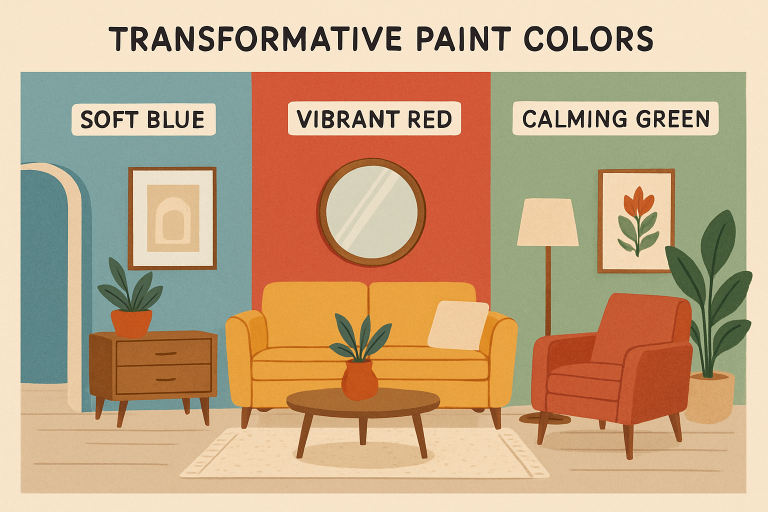
Colors are deeply tied to our emotions. Soft blues and greens are celebrated for their calming, restful qualities, making them a natural fit for bedrooms and bathrooms. Warm hues such as reds and oranges spark energy and creativity, ideal for kitchens, dining areas, or home gyms. Neutrals like white, beige, and gray offer flexibility, serving as a canvas for accent pieces and seasonal décor. Understanding the psychology of color enables you to curate the atmosphere and function of each room, fostering environments where everyone feels comfortable and inspired. For an in-depth look at color’s emotional connections, resources from Psychology Today are particularly insightful.
Current Paint Trends
Modern paint trends lean toward immersive and bold statements. In recent years, color drenching has gained traction, where a single hue envelops a room’s walls, ceilings, and trim, fostering an enveloping, monochromatic impact. For instance, actor Johnny Galecki’s dramatic library, painted in layered shades of red, illustrates how cohesive color can create an inviting and imaginative environment.
Color capping is another inventive trend, where color intensity builds upward toward the ceiling. Martha Stewart’s iconic ’90s design is a perfect example, graduating from deep shades along the baseboards to lighter tones near the ceiling. This gradient anchors the room and lends visual interest without overwhelming the senses.
Choosing the Right Paint Finish
Choosing the proper paint finish is as important as color selection. Finishes impact both appearance and functionality. Matte or flat finishes provide a smooth, non-reflective surface ideal for low-traffic areas, concealing wall imperfections but offering less durability. Satin finishes introduce subtle luminosity and clean up easily, making them excellent for hallways, living rooms, and children’s bedrooms. Glossy finishes, while striking and excellent for trim or architectural details, tend to highlight imperfections and require meticulous preparation for best results. Evaluating your room’s usage and desired look ensures that your painted surfaces are both durable and attractive.
Preparing Your Space
Preparation is the key to a lasting and professional-looking paint job. Begin by cleaning walls thoroughly to remove accumulated dust and oils. Repair any dents, cracks, or nail holes with appropriate filler and sand the surface until smooth. Applying primer gives the new paint a solid base, boosts its longevity, and improves coverage, especially when transitioning between drastically different colors or working with porous surfaces. Time spent preparing your space ensures your investment pays off with beautiful, lasting results.
Application Techniques
Proper techniques separate a lackluster DIY job from a flawless, magazine-worthy finish. “Cutting in” means carefully brushing paint along edges and corners before rolling large areas. Use a high-quality roller to cover broad sections, applying paint in a “W” or “M” pattern and then filling in gaps for even coverage. Patience is key; allow each coat to dry fully before applying another. Most professionals recommend at least two coats for depth and durability. Do not rush the process, as each step builds on the last for the most polished appearance.
Maintaining Painted Surfaces
Regular cleaning keeps your painted walls fresh and vibrant. Use a gentle, damp cloth for periodic wiping to prevent dust and grime from building up. Address minor chips and scratches quickly with a dab of leftover paint, as these imperfections can expand if ignored. In humid climates or rooms like bathrooms and kitchens, consider using a dehumidifier or ventilation fans to prevent moisture buildup that can make paint peel. Consistent maintenance helps your paintwork stand the test of time so your home always looks its best.
Conclusion
Paint is a remarkable tool for expressing style and optimizing how spaces make us feel. By exploring the power of color, staying current on trends, choosing finishes painstakingly, prepping thoroughly, perfecting your technique, and maintaining your surfaces, you can create a home that is both functional and beautiful. A thoughtful approach to color not only personalizes your space but also enhances day-to-day comfort and long-term satisfaction for everyone who steps inside.