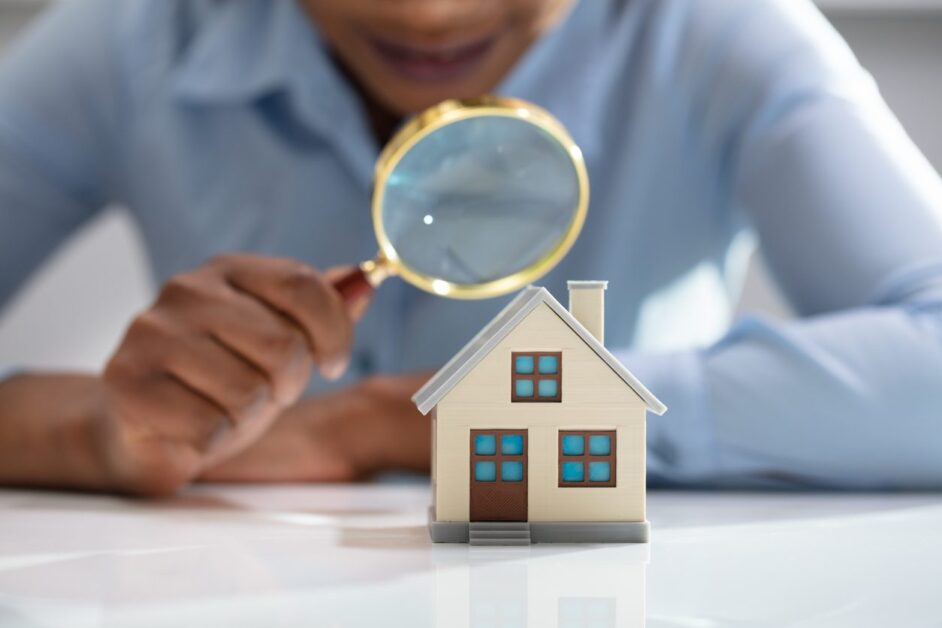


A residential roof is constantly exposed to environmental conditions that gradually affect its strength and performance. While some damage appears suddenly after storms, much of it develops slowly due to repeated stress and overlooked warning signs. Homeowners who understand the most common causes of roofing damage are better equipped to protect their homes before small problems escalate into major structural concerns.
Roofing damage often begins in subtle ways, making it easy to ignore during everyday life. A missing shingle, minor leak, or small area of wear may not seem urgent at first. However, these early issues frequently signal deeper vulnerabilities within the roofing system. Many homeowners seek guidance from experienced professionals such as Kutsch Roofing to help identify and address these concerns before they grow into costly repairs.
By understanding what causes roofing damage and why early action matters, homeowners can extend the life of their roof, protect interior spaces, and maintain long-term structural stability.
Weather Exposure as a Primary Cause of Damage
Weather remains one of the most significant contributors to roofing damage. Rain, wind, snow, and sunlight all affect roofing materials differently. Over time, constant exposure weakens protective layers and creates opportunities for failure.
Heavy rainfall tests the roof’s ability to shed water efficiently. When drainage is compromised, moisture can seep beneath materials and reach the underlying structure. Strong winds place pressure on shingles and fasteners, sometimes loosening them without obvious signs from the ground.
Sun exposure also contributes to deterioration. Heat causes materials to expand during the day and contract at night. This repeated movement leads to cracking, curling, and loss of flexibility. Addressing damage early through Roof Repair helps prevent long-term weakening caused by environmental stress.
Aging Materials and Natural Wear
All roofing materials experience natural wear as they age. Asphalt shingles lose granules, sealants dry out, and flashing becomes brittle over time. Even when a roof appears intact, aging materials may no longer perform as intended.
As materials weaken, they become less effective at resisting moisture and wind. Small openings form, allowing water to infiltrate gradually. These issues rarely resolve on their own and often worsen with each passing season.
Early evaluation allows homeowners to address aging-related issues before widespread deterioration occurs. Timely Roof Repair extends material performance and delays the need for more extensive work.
Recognizing Age-Related Warning Signs
Curling shingles, exposed fasteners, and surface cracking often indicate aging materials. Identifying these signs early prevents deeper system failure.
Poor Drainage and Water Management Issues
Proper drainage is essential for roof performance. When water does not flow freely, it collects in vulnerable areas such as valleys and edges. Standing water increases the risk of leaks and accelerates material breakdown.
Clogged gutters, debris buildup, and poor slope design all contribute to drainage problems. Over time, trapped moisture penetrates beneath roofing layers and affects decking and framing.
Correcting drainage issues early through targeted Roof Repair prevents water-related damage from spreading into structural components.
Installation Errors and Design Flaws
Roofing systems rely on precise installation to function correctly. Improper fastening, misaligned materials, or inadequate flashing can compromise performance from the beginning.
Design flaws also play a role. Poor ventilation, incorrect slope angles, or improperly placed penetrations create stress points that are prone to failure.
Even high-quality materials cannot compensate for installation errors. Early professional assessment helps identify and correct these weaknesses before they result in major damage.
Storm Impact and Physical Damage
Storms often cause immediate and visible roofing damage. Falling branches, hail, and wind-driven debris can crack or puncture materials. However, not all storm damage is obvious.
Small impacts may create hairline fractures or loosen fasteners without causing immediate leaks. These hidden issues allow moisture to enter slowly, leading to delayed damage.
Prompt inspection after storms allows homeowners to address impact-related concerns before they escalate. Early Roof Repair restores protective integrity and prevents hidden problems.
Ventilation Problems and Heat Buildup
Roof ventilation affects both temperature control and moisture management. Poor airflow allows heat and moisture to accumulate beneath the roof surface.
Excess heat accelerates material aging, while trapped moisture contributes to rot and mold growth. Over time, these conditions weaken structural components and reduce roof lifespan.
Early correction of ventilation-related issues improves overall system health and prevents gradual deterioration.
Wildlife and Debris Damage
Animals and debris can also damage roofing materials. Birds, squirrels, and insects may disturb shingles or create openings near roof edges and vents.
Leaves, branches, and organic debris trap moisture when left on the roof surface. This creates conditions that promote decay and material breakdown.
Routine inspections help identify these issues early, allowing homeowners to address damage before it affects deeper layers.
Why Early Repairs Matter
Small roofing issues rarely remain isolated. Water follows the path of least resistance, spreading damage across decking, insulation, and interior finishes.
Early intervention prevents minor problems from becoming widespread structural concerns. Addressing damage promptly preserves the integrity of the entire roofing system.
Homeowners who act early reduce the risk of interior damage, mold growth, and costly restoration work.
Cost Control Through Preventive Action
Delaying repairs often leads to higher costs. What begins as a simple fix can turn into extensive replacement if left unaddressed.
Early Roof Repair offers a cost-effective way to maintain roof performance and avoid emergency situations. Preventive action helps homeowners manage expenses predictably.
This approach supports long-term financial stability and reduces stress associated with sudden roofing failures.
Extending Roof Lifespan Through Maintenance
A well-maintained roof lasts significantly longer than one that receives only reactive attention. Early repairs help materials perform closer to their intended lifespan.
Routine maintenance and timely fixes reduce wear on surrounding components. This balanced approach supports overall system durability.
Professionals such as Kutsch Roofing often help homeowners establish maintenance strategies that prevent damage before it spreads.
Protecting Interior Spaces and Comfort
Roofing damage directly affects interior comfort. Leaks compromise insulation, increase humidity, and create temperature inconsistencies.
Early repairs keep moisture outside and protect ceilings, walls, and flooring. Maintaining a dry interior environment supports energy efficiency and indoor comfort.
Preventive attention ensures that roofing issues do not disrupt daily living conditions.
Conclusion
Roofing damage often begins with small, manageable issues caused by weather exposure, aging materials, drainage problems, and design flaws. When these early warning signs are ignored, damage spreads and becomes far more costly to address. Prompt Roof Repair helps homeowners prevent minor concerns from escalating into major structural problems. By recognizing common causes of damage and taking early action with guidance from Kutsch Roofing, homeowners protect their investment, extend roof lifespan, and maintain a safe, stable home for years to come.