

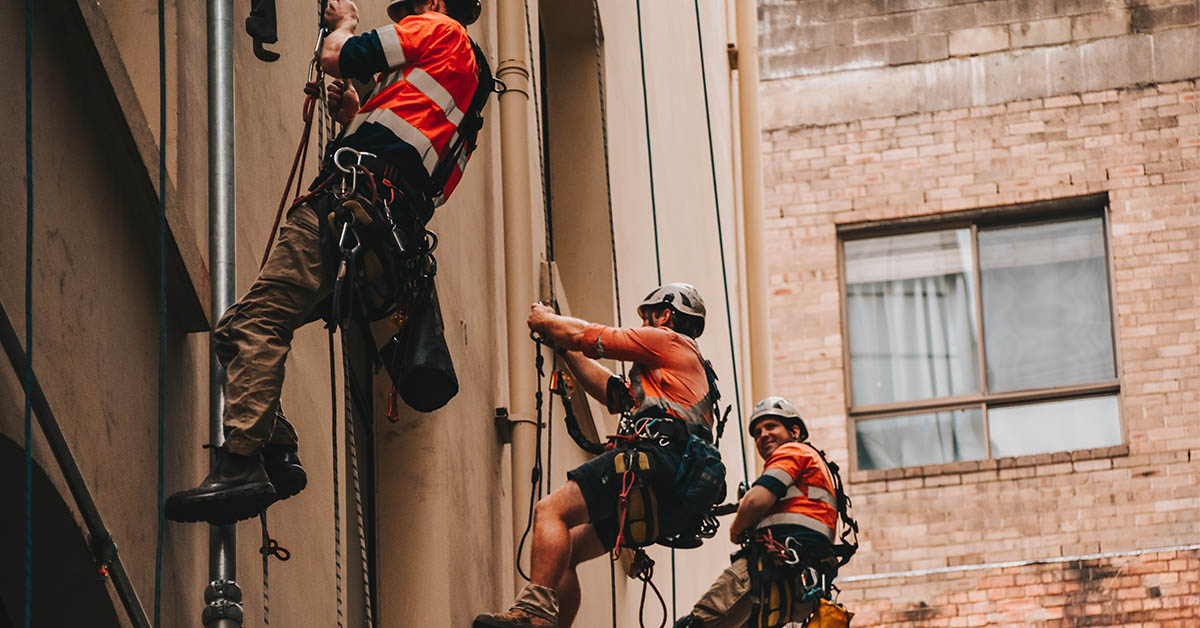
Working at heights brings significant risks, and protecting lives is always the first priority. This comprehensive guide explores all vital aspects associated with fall safety, blending industry best practices with actionable steps for decision-makers and frontline workers. For those in the Tulsa area, fall protection equipment Tulsa provides a local resource for quality products and support.
Understanding fall protection is crucial not just for legal compliance but also for cultivating a safety-conscious culture. From the basics of when fall protection is necessary to detailed highlights on inspection and emerging technologies, the following guide serves as an essential reference. Organizations that value their workforce’s well-being must view fall protection as an ongoing commitment, not a one-time checklist.
Comprehensive insight into fall prevention, equipment types, standards, and proper usage aligns with national priorities and saves lives. Working at heights does not have to result in tragedy. Equipping teams and supervisors with the right knowledge and tools reduces accidents and fosters productivity on worksites.
Understanding Fall Protection
Fall protection refers to methods and equipment that prevent individuals from falling or help safely arrest a fall if it occurs. It is essential in environments where employees work at heights, including construction, energy, warehousing, telecommunication, and maintenance services. Focusing on fall prevention from the beginning establishes an expectation of care and diligence, thereby minimizing risks before workers even leave the ground.
Types of Fall Protection Equipment
The right fall protection equipment should be selected based on the specific work site, job task, and environmental hazards. The main categories include:
- Full Body Harnesses:Designed to distribute arresting forces across the chest, shoulders, pelvis, and thighs to minimize the risk of severe injury.
- Lanyards and Lifelines:Used to connect the harness to an anchor system, these restrict the length of a potential fall and absorb some of the shock.
- Anchor Points:These fixed, secure attachments are fundamental to any personal fall arrest setup, providing a reliable point of support.
- Guardrails:Serve as physical fall barriers, particularly effective where temporary or permanent edges exist.
- Safety Nets:Installed below work surfaces or edges, they catch workers in the event of a fall, greatly reducing the impact force.
Standards and Regulations
Regulatory bodies govern the proper use of fall protection equipment to maintain high safety standards on worksites. In the U.S., the Occupational Safety and Health Administration (OSHA) outlines mandatory requirements for employers, while the American National Standards Institute (ANSI) provides supplemental guidelines such as the Z359 series. Adherence is not optional; it is a legal and ethical obligation. Keeping abreast of the latest compliance rules goes hand in hand with upholding workplace safety.
Proper Inspection and Maintenance
Each piece of fall protection equipment should be systematically inspected before use. Look for frayed straps, corrosion, missing identification tags, or hardware deformation. Formal, documented inspections are generally needed every six months, and any item showing signs of failure must be replaced immediately. Training on proper cleaning, storage, and care protocols is essential for extending equipment lifespan and safeguarding users through everyday wear and tear.
Training and Education
Even the best equipment is ineffective without proper training. Workers must be taught to select, don, adjust, and inspect their gear, as well as perform rescue procedures in the event of a fall. Employers have a duty to provide initial and refresher training and to keep thorough records of participation and competency. A robust safety culture is built on continuous education in addition to formal certification.
Emerging Technologies in Fall Protection
Innovative solutions continue to improve approaches to fall hazards. Wearable sensors and real-time monitoring systems now enable earlier detection of risky behaviors and immediate alerts in the event of a fall. Machine learning models are being developed to recognize and predict fall risks by tracking worker movements. The industry’s rapid evolution is highlighted in many expert reviews and trusted research journals on safety technology.
Common Misconceptions
- “Short falls aren’t dangerous”:Even low-level falls can lead to severe injuries, especially if critical body parts are impacted.
- “Once trained, always safe”:Safety knowledge decays over time; regular refreshers are necessary to maintain skills and hazard awareness.
- “All equipment is the same”:Equipment must be fit for purpose. The wrong gear or poor fit can render otherwise protective measures ineffective.
Final Thoughts
There is no substitute for diligence when it comes to fall protection. Equipping workers with modern, maintained equipment and comprehensive training creates safer job sites and preserves lives. Integrating emerging technologies and correcting common misconceptions further enhances overall safety. Utilizing a local supplier ensures both product quality and expert guidance. Elevated work does not have to mean elevated risk; it just takes the right commitment and resources to keep everyone secure.