

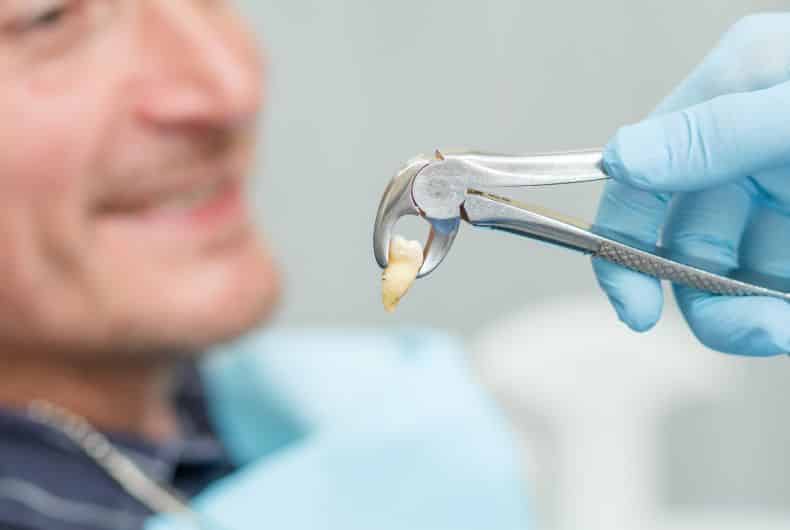
A tooth extraction can leave you feeling worn out, sore, and worried about what comes next. You want the pain to fade. You want to avoid infection and more time in the dentist’s chair. The choices you make in the first few days can protect the blood clot, support healing, and prevent a dry socket. This guide explains the clear do’s and don’ts after a tooth extraction so you know what to eat, how to clean your mouth, and when to rest. You will also learn what warning signs to watch for and when to call your dentist. Each step is simple. Each step has a purpose. For more support, you can review more tooth extraction resources at suncreekdental.com and bring your questions to your next appointment.
Why the First Few Days Matter
After the tooth comes out, a blood clot forms in the socket. That clot works like a natural bandage. It protects the bone, guards the nerve, and gives your body a base for new tissue. If you disturb that clot, you raise your risk of infection, heavy bleeding, and dry socket pain.
You protect the clot when you follow three simple steps. You rest. You keep pressure on the gauze as told. You avoid anything that pulls or sucks on the site. Small choices shape your recovery.
First 24 Hours: Do’s and Don’ts
The first day sets the tone for healing. Use the list below as a clear guide.
| Time period | Do | Do not
|
|---|---|---|
| First 2 hours | Bite on gauze as directed. Rest with your head raised. | Do not chew on the numb side. Do not talk much. |
| First 24 hours | Use cold packs on your cheek in short intervals. | Do not rinse hard. Do not spit forcefully. |
| First 24 hours | Drink water and clear fluids. | Do not use a straw. Do not drink hot liquids. |
Use pain medicine as prescribed. Take the first dose before the numb feeling fades. Swallow pills with a small drink of cool water. Eat soft food on the other side of your mouth.
Safe Foods vs Risky Foods
Your mouth needs gentle food that does not poke, crunch, or stick to the socket. The table below outlines basic choices.
| Food type | Safer options (first 2 to 3 days) | Risky options
|
|---|---|---|
| Texture | Yogurt, mashed potatoes, scrambled eggs | Chips, nuts, crusty bread |
| Temperature | Cool or room temperature soups and drinks | Very hot coffee, tea, or soup |
| Flavor | Mild, low salt foods | Spicy, acidic foods like salsa or citrus |
Chew on the side away from the extraction. Cut food into small bites to avoid strong chewing. Then slowly add normal food after your dentist clears you.
How to Keep Your Mouth Clean
Cleanliness lowers your risk of infection. It also cuts bad breath and swelling. You should follow three core steps.
- Keep brushing your other teeth. Use a soft brush and gentle strokes.
- Avoid the extraction site on day one. Then brush close to it without touching the open socket.
- Start gentle warm salt water rinses after 24 hours if your dentist approves.
To make a salt rinse, mix one half teaspoon of salt in eight ounces of warm water. Stir until it melts. Then hold the water in your mouth and tilt your head. Let it move around the site. Do not swish hard. Do not spit with force. Instead, open your mouth and let the water fall into the sink.
You can read more about safe mouth care after dental work from the Centers for Disease Control and Prevention.
Smoking, Vaping, and Alcohol
Smoke, nicotine, and alcohol slow blood flow. They also dry the socket and increase pain. Your dentist may ask you to stop smoking for at least 48 to 72 hours. Longer is better. Vaping has similar risk because the suction can pull the clot free.
Avoid alcohol while you heal. Alcohol can interact with pain medicine. It can also irritate the tissue and delay repair. Water is the safest choice.
Activity, Sports, and Rest
Your body needs calm. Heavy work raises your blood pressure and can restart bleeding. For the first 24 hours, stay home. Sit or lie with your head raised on pillows. Then slowly return to normal activity if bleeding has stopped and pain feels under control.
Wait to return to sports or rough play until your dentist says it is safe. Contact to the face can reopen the wound. So can grinding your teeth during stress. Tell your dentist if you play sports so you can plan around games and practice.
Warning Signs You Must Not Ignore
Most people heal without trouble. Still, some signs need quick care. Call your dentist or an urgent clinic if you notice any of the following.
- Bleeding that soaks gauze for more than four hours
- Throbbing pain that gets worse after day two
- Bad taste or strong odor from the socket
- Fever, chills, or swollen glands
- Numbness that does not fade after several hours
- Trouble swallowing or breathing
These signs can point to infection or dry socket. Quick care protects your health. The American Dental Association shares more warning signs and healing tips.
Support for Children and Older Adults
Children and older adults may need extra help. Children may try to touch the site with fingers or tongue. Explain in clear words why they must leave it alone. Offer soft foods they enjoy. Watch their medicine schedule.
Older adults may take blood thinners or have other health issues. Share a full list of medicines with the dentist. Follow any change in dose exactly. Help with rides, food, and care so they can rest.
Staying on Track With Healing
To protect your mouth, remember three themes. Keep the clot safe. Keep the mouth clean. Keep your body rested and hydrated. When you follow the do’s and avoid the don’ts, you lower pain and shorten healing time. You also reduce the chance of new problems that lead to more visits and more cost.