

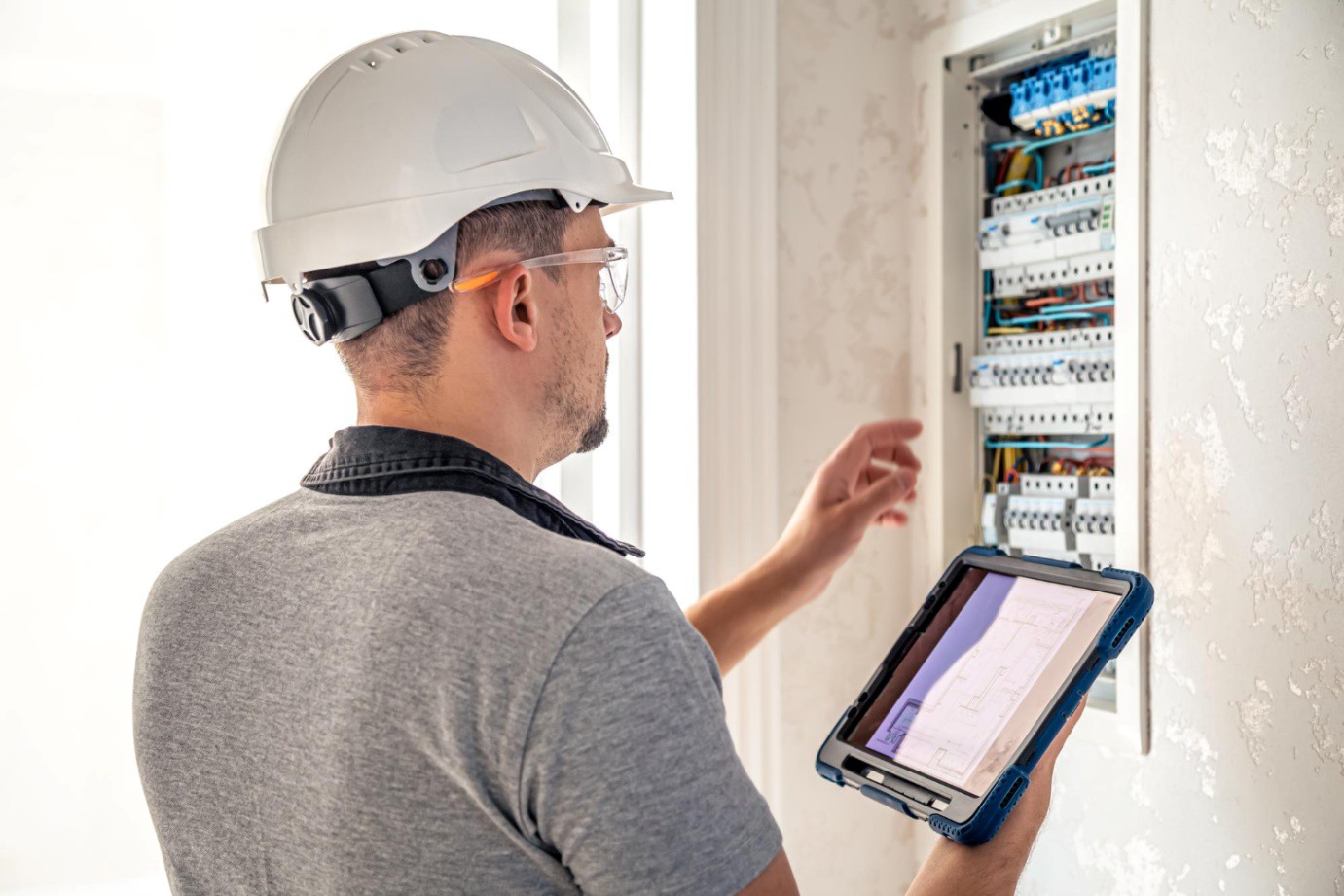
Introduction to Switchgear Test Equipment
Switchgear is a combination of electrical disconnect switches, circuit breakers, fuses, and other devices that are designed to protect, control, and isolate electrical equipment. It is a fundamental component of an electrical power system’s reliability and safety. Switchgear construction offers operators the ability to de-energize a system, or part of a system, to safely perform maintenance and to contain the damage in case of a fault. Switchgear is versatile in electrically controlling circuit devices which is why it is used in a range of applications from home to industrial facilities.
For more in-depth information, you should view the Top Switchgear Test Equipment Manufacturers and Suppliers in China – DEMIKS.
Importance of Testing in Electrical Systems
Testing is needed to validate the efficiency, safety, and performance of switchgear. Regular intervals of testing serves to mitigate risks of power failure, and critical safety issues, related to insulation deterioration, contact erosion, and dislocated electric conductors. Due to the longevity it offers to equipment, regulatory compliance is assured. Faults that are found and corrected during testing, are significantly reducing the system downtime, which in turn increases the system reliability to protect the people and devices in the system.
View Top Switchgear Test Equipment Manufacturers and Suppliers in China – DEMIKS details to get into the details.
Assessment of Tools Installed for Testing of the Switchgear Systems
Testing switchgear requires the use of a series of tools and equipment for different switchgear functions and operations. Insulation resistance testers, circuit breaker analyzers, high-voltage test sets, and current injection test systems are a few of the more widely used tools. The evaluation of the timely, contact, and dielectric strength performance of the switchgear is an indicator of the functionality and safety of the switchgear systems. Appropriate test equipment allows the performance and functionality of crucial electrical systems to be thoroughly assessed, ensuring safety and optimal operation.
Types of Switchgear Test Equipment
Primary Injection Test Equipment
Primary injection test equipment provides necessary testing of the entire protection system of switchgear alongside current transformers, circuit breakers, and relays. Testing of this nature involves the application and assessment of high current during performance evaluations of the primary side of the equipment, thereby determining functionality under real-life scenarios. Primary injection tests ascertain the cohesion of all components functioning and their adherence to preset safety and reliability protocols.
Secondary Injection Test Set
Secondary injection test sets allow for the assessment of protective relays and the circuitry tied to it without using high current on the primary circuit. These devices help simulate fault conditions by injecting precise, controlled signals to the relay inputs, thus enabling verification of the relay’s response and settings. For this reason, they are greatly beneficial during routine maintenance and the troubleshooting of protection schemes, which may be highly complex.
High Voltage Test Equipment
Testing the insulation strength and dielectric properties of components of switchgear cannot be done without high-voltage test equipment. These tools are designed to produce controlled high voltages to help test cables, bushings and other insulation components for defects, thus assessing their effectiveness for operational voltages. High voltage testing is critical to the safety and reliability of electrical systems designed to operate under severe conditions.
Key Features of Test Equipment
Measurement Accuracy and Standards
For high voltage test equipment, accuracy in measurement translates to dependability and repeatability in results when conducting evaluations. More recent iterations of test devices and equipment comply with the international standards set for high voltage testing, namely, the IEC 60060, which outlines standardized procedures and requirements for measurement accuracy. It is through compliance with safety and operational standards that the accuracy of a device can be instrumental in the identification of insulation defects.
Digital vs. Analog Test Equipment
The decision around the design of high voltage test equipment, digital or analog, can also be a determinant of the equipment’s performance and the user’s experience. The digital design is advantageous for its high accuracy levels, data saving capabilities, complex testing streamlining, and sophisticated method diagnostics. However, from a design perspective, analog equipment might be preferred for its ease of use and operational reliability, which renders it appropriate for simplistically designed equipment.
Consideration of Technical Parameters
Choosing high voltage test equipment should factor in several technical parameters, including voltage range, current capacity, test frequency, and the equipment’s compatibility with particular system needs. Consideration of portability, user interface design, and power supply and protective mechanisms completes the functional assessment. Every equipment choice should have a defined set of technical specifications tailored to the needs of the test to be performed. This ensures the highest test efficiency and safety.
Applications of Switchgear Test Equipment
Testing Circuit Breakers
For every electrical system, circuit breakers huge responsibilities, including isolating fault currents and isolating malfunctioning parts of the system. Testing the circuit breakers reliability and function requires switchgear test equipment. These tests typically involve, and are not limited to, measuring brake time intervals, assessing contact resistance, and evaluating insulation resistance. Technicians significantly reduce the probability of equipment failure while preserving system safety by confirming the correct and safe operation of circuit breakers.
Relay Testing and Measurement
Protective relays are integral parts of every electrical system, and for every electrical system to function safely and stably, the components must be tested; only then can one ascertain whether the relays respond properly to fault conditions, disruptions, and other anomalies. Simulations of current distortions, altered voltages, and other test conditions are examples of modern equipment capabilities. Advanced analytical instruments can also assist in recording and evaluating performance. Protection and operational efficacy can be improved with timely adjustments facilitated by the recorded performance analysis.
Testing Solutions for High Voltage and High Current
Assessment of components’ insulative materials and abilities under extreme conditions requires high voltage and high current testing. Specific apparatus requires high voltages and high currents for testing operational and overload conditions. This testing identifies potential insulation weak points and insulation and connection failures. High voltage testing weakens no assets and maintains integrity and long-term system reliability while ensuring compliance with all regulations.