

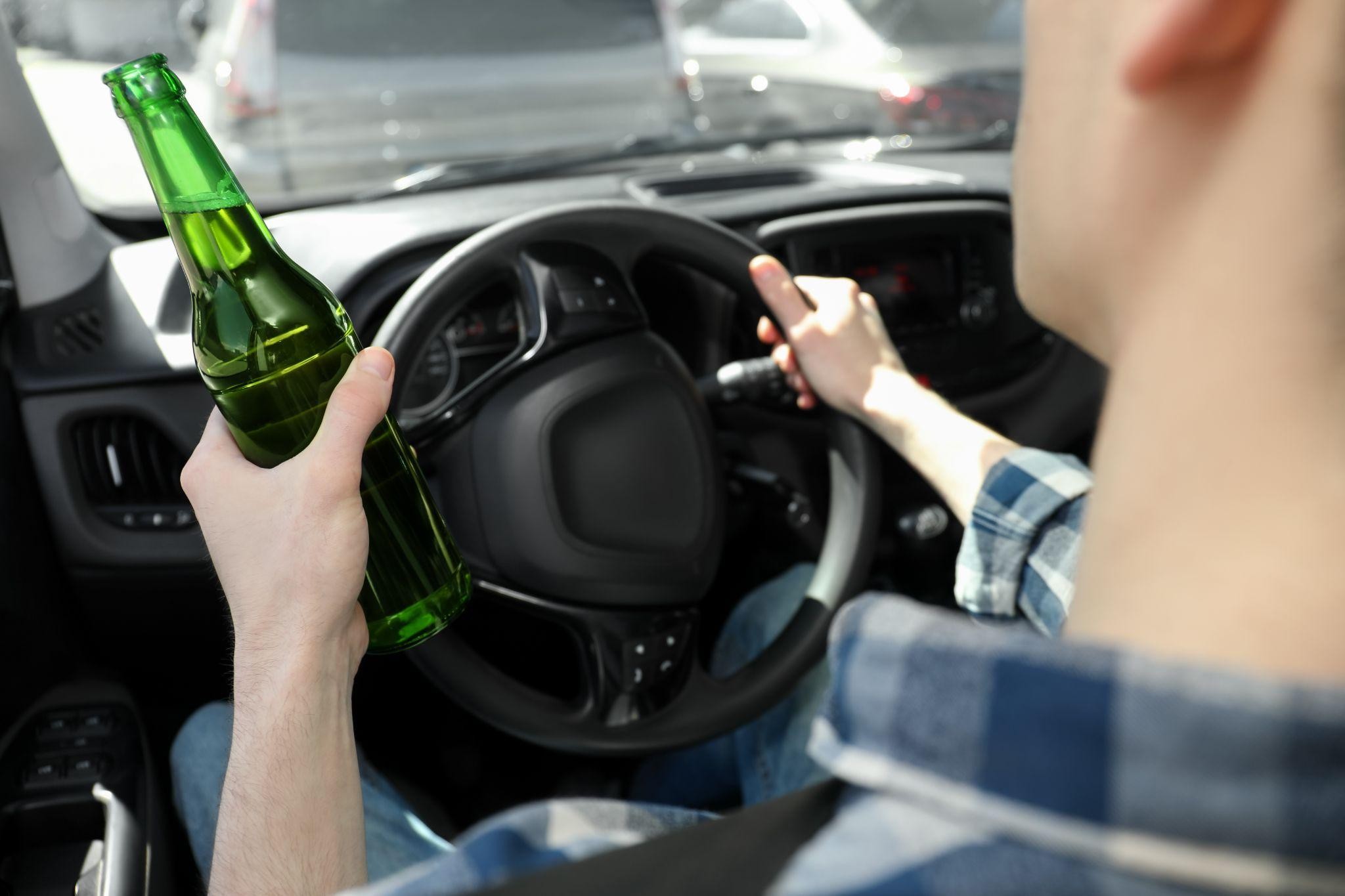
A drunk driving accident is never treated as a routine traffic incident. From the moment alcohol is suspected, the legal process changes its pace and focus. There is more scrutiny, more evidence to review, and more responsibility to sort through. Still, liability is not decided by anger or assumption. It is determined through law, facts, and careful analysis. Many people only realize this after seeing how these cases unfold, often in situations where a lawyer for drunk driver injury cases becomes part of the discussion because of the added legal weight alcohol brings. Understanding how liability is determined helps explain why these cases follow a different and more detailed legal path.
Drunk Driving Changes the Legal Starting Point
Alcohol impairment immediately raises legal concerns, but it does not replace investigation. The law does not stop at the presence of alcohol and assign fault automatically. Instead, impairment becomes one factor within a broader liability analysis.
Courts and insurers still ask key questions. How did the crash happen? What actions led to it? Could the accident have been avoided? Drunk driving raises the stakes, but liability must still be proven through evidence and legal standards.
Law Enforcement Evidence Plays a Central Role
Police involvement is a major part of drunk driving accident cases. Law enforcement records often shape the early stages of liability review.
Evidence commonly reviewed includes:
- Field sobriety test results
- Breath or blood alcohol test data
- Officer observations and reports
- Arrest or citation records
These details help establish whether impairment was present and how it may have affected driving behavior. While this evidence is important, it is still reviewed alongside other facts rather than in isolation.
Driver Conduct Before and During the Crash
Liability analysis looks closely at what the driver was doing before and at the time of the collision. Alcohol impairment often affects judgment, reaction time, and vehicle control, and the law examines these effects carefully.
Key areas reviewed include speed, lane position, braking, and response to traffic signals. The goal is to understand how the driver’s condition influenced their actions and whether those actions caused the crash. This step connects impairment to responsibility in a clear, factual way.
Shared Responsibility Is Still Considered
Even in drunk driving cases, the law does not ignore other factors. Liability can still be shared depending on the situation. Another driver’s actions, road conditions, or visibility issues may also play a role.
This does not reduce the seriousness of drunk driving. It reflects how the law evaluates accidents as a whole. Each party’s conduct is reviewed, and responsibility is assigned based on contribution, not labels.
Medical and Scene Evidence Support Liability Decisions
Injury patterns and scene details often support liability analysis. The location of vehicle damage, skid marks, debris, and the point of impact can clarify how the collision occurred.
Medical records also help connect injuries to crash mechanics. These records show how force was applied and whether the injuries align with reported events. Together, scene and medical evidence help replace speculation with clarity.
Insurance and Civil Liability Add Complexity
Drunk driving accidents often involve more complicated insurance issues. Some policies treat alcohol-related incidents differently. Coverage limits, exclusions, and civil responsibility all come into play.
Insurance companies review these claims carefully, especially when injuries are serious. Navigating these layers is one reason a lawyer for drunk driver injury cases may become involved, not for promotion, but because these claims require structured handling and careful legal review.
Why Liability Determination Takes Time
Drunk driving accident cases are rarely resolved quickly. Evidence must be gathered and verified. Alcohol test results may take time to confirm. Criminal and civil proceedings may run alongside each other.
This slower pace is not meant to delay justice. It allows facts to be reviewed fully and fairly. Rushing liability decisions can lead to incomplete or inaccurate outcomes, especially in cases with serious consequences.
Key Factors That Shape Liability Decisions
Several elements work together when determining liability in drunk driving accident cases:
- Proof of alcohol impairment
- Driver behavior and crash dynamics
- Law enforcement records
- Scene and vehicle evidence
- Insurance rules and civil responsibility
Each factor adds context and helps create a complete picture of what happened.
Understanding the Legal Process Matters
Liability in drunk driving accident cases is not based on emotion or assumption. It is built through evidence, legal standards, and careful review. Alcohol impairment adds legal weight, but it does not replace the need for proof and analysis.
Understanding this process helps explain why these cases feel different from other accidents. The law approaches them with seriousness, structure, and attention to detail. When liability is determined through this methodical approach, the outcome is more likely to reflect responsibility accurately and support fairness within the legal system.