
Statistics reveal that household leaks in the United States can squander approximately 1 trillion gallons of water annually, as per the Environmental Protection Agency. Ensuring regular plumbing maintenance is a pivotal strategy to combat this waste and contribute to the efficient use of water.
By understanding the essential role of prudent plumbing practices, homeowners can not only safeguard their own financial interests but also participate in broader environmental conservation efforts. In this article, we delve into the profound impact of consistent plumbing upkeep on water efficiency.
Regular Plumbing Maintenance: Key to Efficient Water Usage
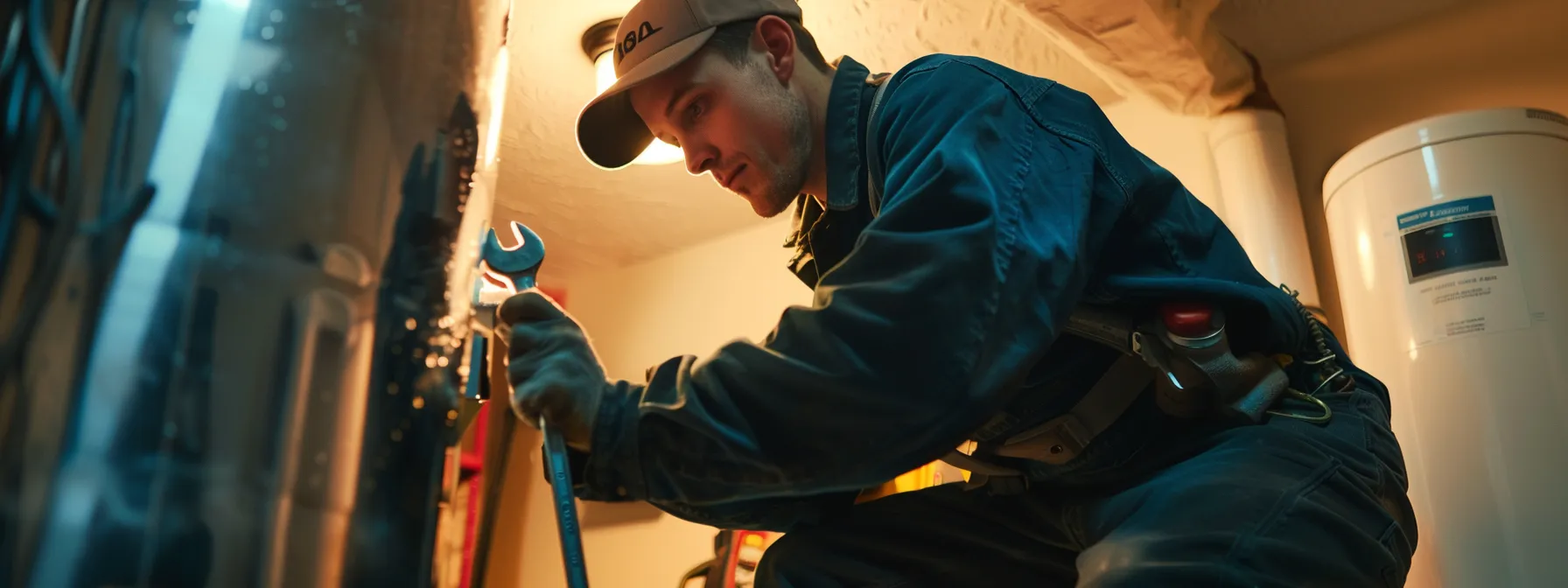
plumber Routine plumbing maintenance is indisputably vital for both preserving water resources and ensuring that household water systems function optimally. Regular inspections can identify potential problems before they escalate, leading to more significant water savings and less environmental impact.
A lack of maintenance invites a spate of issues ranging from reduced water quality to increased consumption due to inefficiency and leakage. For instance, a dripping faucet, though seemingly minor, can cumulatively lead to the wasting of a substantial volume of water.
Having a professional plumber conduct an annual inspection of your home’s plumbing system is an actionable step toward water conservation. They can offer tailored advice for your home’s needs, further enhancing the efficiency of your water usage.
Detecting Leaks Early: Saving Water and Money
Detecting leaks promptly is non-negotiable when it comes to conserving water and curtailing unnecessary expenditure. A single leak can waste gallons of water daily, escalating utility bills and depleting natural resources.
Modern technology, such as smart water monitors and eco-friendly appliances, can be leveraged to track water usage and identify leaks early. According to a report by the Alliance for Water Efficiency, smart leak detection systems could potentially save 13 billion gallons of water annually across the United States.
Adopting proactive measures, like installing water leak detectors or regularly checking under sinks and around toilets, can help a homeowner quickly respond to any anomalies, preserving both financial resources and the environment. WaterSense-labeled products are also recommended for their certified efficiency.
Optimizing Water Pressure for Conservation
Regulating water pressure in your plumbing network is a nuanced but impactful way to enhance water efficiency. Excessive water pressure can speed up the wear and tear of plumbing components, driving up the likelihood of leaks and wasteful water consumption.
A water pressure gauge can be utilized to ensure that pressure levels within the home are kept within safe and efficient bounds, generally between 40 and 60 pounds per square inch. Proper pressure supports the longevity of pipes and fixtures, which in turn helps maintain an efficient plumbing system.
Installing pressure-reducing valves where necessary or adjusting settings on existing ones can help maintain optimal water flow. Additionally, consulting with plumbing professionals on water-saving techniques can make the task of balancing water pressure with conservation a simpler process.
Upgrading Fixtures and Appliances Through Routine Checks

Engaging in regular plumbing maintenance is a proactive means of identifying opportunities to upgrade to more efficient fixtures and appliances. Outdated models often do not utilize water as judiciously as newer, more advanced options available in the market.
During routine inspections, plumbers can suggest upgraded fixtures such as low-flow toilets, faucet aerators, and showerheads, which can make a dramatic difference in water usage without compromising performance. In fact, replacing old, inefficient toilets with newer models can save an average household up to 13,000 gallons of water per year.
Setting a schedule for routine plumbing check-ups can ensure you are always informed about the most water-efficient and cost-effective options for your home, thereby steering you towards smart investments that can pay off in savings over time.
Ultimately, regular plumbing maintenance stands as a linchpin in the pursuit of efficient water usage. It guards against wasteful leaks, ensures the optimal flow and pressure of water, and steers homeowners towards smart upgrades. This triad of benefits not only accrues savings for individuals but extends a hand to the environment, sustaining our most precious resource—water—for future generations.