

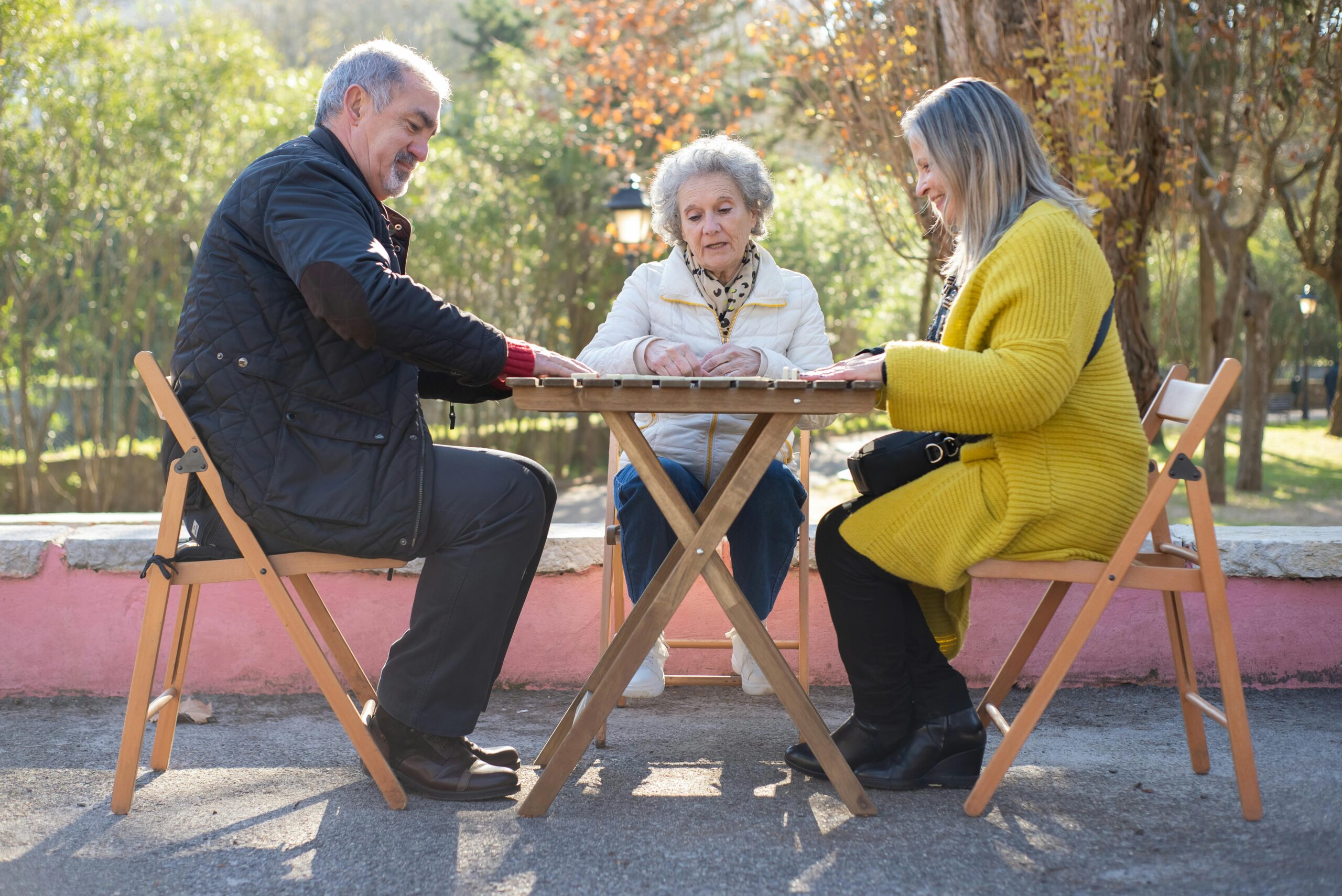
Senior isolation is an issue that affects millions of older adults, often quietly and gradually. As people transition out of the workforce, lose spouses or peers, or face changes in mobility and health, opportunities for regular social engagement can diminish. Even individuals who value independence may find themselves spending long stretches of time alone. Over time, this isolation can have serious effects on emotional wellbeing, physical health, and cognitive functioning. Retirement communities have emerged as one way of addressing this challenge by creating environments that naturally encourage connection, routine, and belonging.
Rather than focusing solely on care or convenience, modern retirement communities are increasingly designed to support social health as a core component of overall wellness. By understanding how these environments work to reduce isolation, families and older adults can make more informed choices about later life living.
The Root Causes of Senior Isolation
To understand how retirement communities help combat isolation, it is important to recognize why isolation occurs in the first place. Later life often brings a series of transitions that disrupt long established social patterns. Retirement can remove daily workplace interaction. Children may live far away. Friends may relocate or experience declining health. Driving limitations and physical changes can make social outings more difficult to manage.
Isolation rarely happens overnight. It builds gradually as routines narrow and social opportunities require more effort. Over time, even those who are emotionally resilient may experience loneliness when connection becomes inconsistent. Isolation differs from solitude in that it is not chosen and often carries emotional discomfort. Addressing it requires intentional environments that make interaction accessible rather than burdensome.
Built In Opportunities for Daily Interaction
One of the most effective ways retirement communities combat isolation is through proximity. When people live near others in a similar stage of life, daily interaction becomes a natural part of routine. Shared dining spaces, activity rooms, and common areas create touchpoints for conversation throughout the day.
These interactions do not have to be deep or extended to be meaningful. Brief exchanges, shared meals, or informal activities help establish familiarity and trust over time. This repeated exposure builds relationships organically, reducing the sense of being alone without forcing constant participation.
Communities such as Heartis Buckhead are real-world examples of how geographically close living arrangements can support everyday social contact as part of normal life, rather than as a scheduled event.
Structured Activities That Encourage Engagement
Retirement communities often offer organized activities that provide reasons to connect. These may include discussion groups, creative workshops, fitness classes, or shared interest clubs. While activities alone do not guarantee connection, they offer a starting point that lowers the barrier to engagement.
Structure matters. Having regularly scheduled opportunities gives residents something to anticipate and plan around. This rhythm helps anchor days and weeks, preventing time from blending together. Activities also create shared experiences that can lead to conversation beyond the event itself, strengthening social bonds.
Importantly, participation is usually optional. Residents maintain control over their schedules while knowing opportunities for engagement are readily available. This balance supports autonomy while gently counteracting isolation.
Emotional Safety and the Feeling of Being Noticed
Isolation is not just about being alone. It is also about feeling unseen or disconnected from community awareness. Retirement communities help counter this by creating environments where people are noticed as part of everyday life.
Seeing familiar faces, being greeted by name, or having someone remark on a routine creates a sense of recognition. This emotional acknowledgment reinforces belonging and self worth. Knowing that others would notice a change in routine also provides reassurance that extends beyond emergencies.
This sense of being embedded in a social fabric reduces anxiety and supports emotional stability. It allows residents to relax into their daily lives without the persistent feeling of navigating challenges alone.
Supporting Connection While Preserving Independence
A common concern among older adults is that moving into a retirement community may reduce independence. In many cases, the opposite is true. When social opportunities and support are close at hand, individuals may feel more confident maintaining autonomy.
Connection does not require constant interaction. Retirement communities that successfully combat isolation respect individual preferences for privacy while offering accessible opportunities for engagement. Residents choose when and how to participate, which reinforces personal agency.
This model supports a healthier relationship with independence. Instead of managing everything alone, individuals can rely on proximity and community without sacrificing control over their daily lives.
The Broader Impact on Health and Wellbeing
Reducing isolation has far reaching benefits. Social engagement has been linked to better emotional health, lower rates of depression, and improved cognitive functioning. Regular interaction stimulates the brain and provides emotional validation.
Physical health can also benefit. Engaged individuals are often more active, more attentive to routines, and more motivated to care for themselves. The cumulative effect of social connection supports overall quality of life.
Retirement communities that prioritize connection help address isolation at multiple levels. They do not eliminate challenges associated with aging, but they mitigate one of the most preventable risks by designing environments that support belonging.
Conclusion
Senior isolation is a complex issue shaped by life transitions, physical changes, and shifting social networks. Retirement communities offer one approach to addressing this challenge by embedding opportunities for connection into daily life. Through proximity, shared routines, and emotional recognition, these environments create conditions where isolation is less likely to take hold.
Combating isolation does not require constant activity or loss of independence. It requires environments that make connection accessible, natural, and respectful of individual choice. When social health is treated as an essential part of wellbeing, later life can remain connected, supported, and deeply human.