

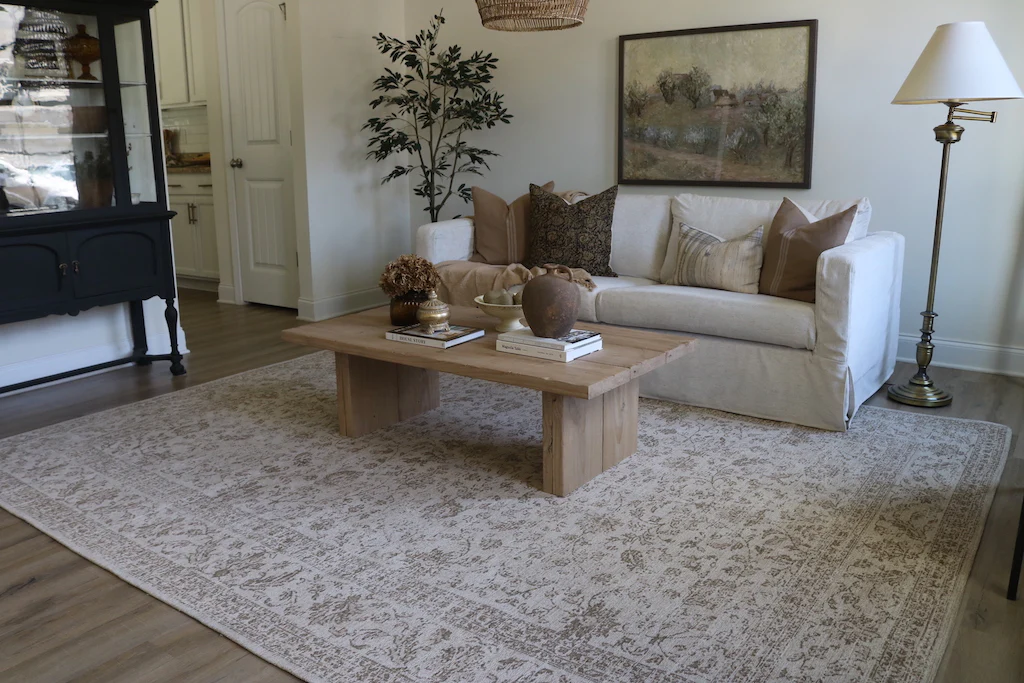
Traditional handmade rugs are made with a lot of care, craftsmanship and hard work which is evident from the artistic designs. For a rustic style home with earthy and warm ambience, you do need to consider the rug aesthetic, right material, pattern and style of weaving and colour for choosing a handmade rug, notes California Realty Group.
Understand Rustic Style
Before diving into the specifics of selecting a handmade rug, it’s essential to understand what rustic style is. Rustic decor emphasizes natural elements, such as wood, stone, and metal, paired with a simple, earthy color palette. It often evokes a sense of comfort, warmth, and simplicity, and features materials that highlight the beauty of imperfection and nature. This style can range from cabin-inspired designs to more refined farmhouse looks.
The right rug for a rustic home should blend seamlessly with these elements, enhancing the natural textures and colors without overwhelming the space. Handmade rugs, with their organic designs and craftsmanship, are a perfect fit for this kind of environment.
Consider the Material of the Rug
One of the most important factors in choosing a handmade rug for a rustic home is the material. Different rug materials offer unique textures and durability, which can significantly impact the feel of the room.
Wool is a common material for handmade rugs, and it’s perfect for rustic homes due to its warmth, softness, and durability. Wool rugs are also great at regulating temperature, making them ideal for cooler rustic spaces like cabins or cottages. The texture of wool feels natural and unrefined, which aligns with the rustic aesthetic.
Jute and sisal are also excellent options for rustic homes. These plant-based fibers have a coarse texture that complements rustic decor. Jute and sisal rugs often feature earthy tones like beige, brown, or gray, which can help create a calming atmosphere in a rustic space. Additionally, these materials are eco-friendly and add a touch of organic beauty to the room.
For a more luxurious touch, silk and cotton are sometimes used in handmade rugs. While less common in rustic homes, these materials can be found in more refined rustic spaces, such as country estates or modern farmhouses. Silk rugs bring a shine and softness to a room, while cotton rugs tend to have a lighter, more breathable feel.
Choose the Right Color Palette
The color palette of the rug should complement the rustic tones in your home. Rustic style often embraces natural, muted colors—earthy tones like browns, tans, grays, and greens dominate the space. A handmade rug in shades of these colors will blend beautifully with the rustic furniture and wooden elements in the room.
Consider whether you want the rug to blend into the background or stand out as a statement piece. If you prefer the rug to blend in, opt for more neutral tones that complement the overall palette of the room. A rug with subtle variations in tone can add texture and depth without overwhelming the space.
If you want the rug to be the focal point of the room, choose a rug with bolder colors or patterns that create contrast with the surrounding decor. Rugs with deep reds, rich blues, or even warm yellows can work well, particularly if there are rustic accents like leather furniture or metal details in the room.
Think About the Size and Shape
Choosing the right size and shape of the rug is essential in creating a balanced look in your rustic home. A rug that’s too small can make the room feel disjointed, while a rug that’s too large can overwhelm the space. Ideally, a rug should anchor the furniture in the room, defining the space and adding structure to the overall design.
In living rooms, a large rectangular rug placed in the center of the room, under the coffee table, is a classic choice. For a rustic dining area, consider a rug that fits under the dining table and chairs, ensuring that all the chairs sit comfortably on the rug when pulled out.
The shape of the rug also plays a role in its placement. While rectangular rugs are most common, round or oval rugs can add an interesting element to a rustic room. These shapes are perfect for spaces with circular or curved furniture arrangements or for creating visual interest in corners of the room.
Focus on Texture and Pattern
The texture and pattern of a handmade rug are key elements that can either enhance or detract from a rustic style. Rustic decor often embraces organic, irregular shapes and textures, so a rug that features these elements will complement the overall aesthetic.
Many handmade rugs feature natural patterns, like stripes, diamonds, or abstract designs, that highlight the beauty of the materials used. Traditional rugs may also feature motifs inspired by nature, such as florals, leaves, or animals. These types of designs are perfect for rustic homes because they reflect the natural world and create a sense of harmony with the surrounding decor.
If your rustic space leans more toward a minimalist aesthetic, you might prefer a rug with a simple, geometric pattern or a solid color. This style can create a clean, understated look that still feels cozy and welcoming. A rug with a slightly worn or distressed look can add character to the room, fitting perfectly with the rustic style’s love of imperfection and history.
Durability and Maintenance
Rustic homes are often lived-in, meaning that durability and ease of maintenance are important considerations when selecting a handmade rug. Choose a material that can withstand foot traffic and frequent use. Wool, jute, and sisal rugs are particularly durable, making them excellent choices for high-traffic areas.
Since rustic homes tend to have a more casual, lived-in feel, the rug should be easy to clean and maintain. Wool rugs are relatively easy to clean, as they naturally repel dirt and dust. Jute and sisal rugs can also be shaken out or vacuumed, although they may require more delicate care to preserve their texture.
For added convenience, you may also want to invest in a rug pad that keeps the rug in place and protects both the rug and the flooring beneath it.
Complement Other Decor Elements
Finally, when choosing a handmade rug for your rustic home, think about how it will complement the other decor elements in the room. A handmade rug can act as a foundation for the rest of the room’s design, so consider how its color, material, and pattern will interact with the furniture, walls, and other textures in the space.
If you have a stone fireplace, wooden beams, or leather furniture, choose a rug that complements these materials. A wool rug with a subtle pattern might work well next to a stone fireplace, while a jute rug could enhance the natural wood elements in the room.
Don’t forget about lighting either—natural light can bring out the beauty of your handmade rug’s colors and textures, while dimmer lighting can create a cozier, more intimate feel. Experiment with how different lighting conditions affect the rug’s appearance before making your final decision.
Conclusion
Choosing the perfect handmade rug for your rustic home is about finding a piece that complements the natural materials, earthy colors, and timeless appeal of rustic decor. By considering factors such as material, color, size, texture, and pattern, you can select a rug that enhances your space and reflects the warmth and charm of rustic living. Whether you opt for a wool rug, a jute piece, or something in between, a handmade rug can be the ideal finishing touch that ties your rustic home together.