

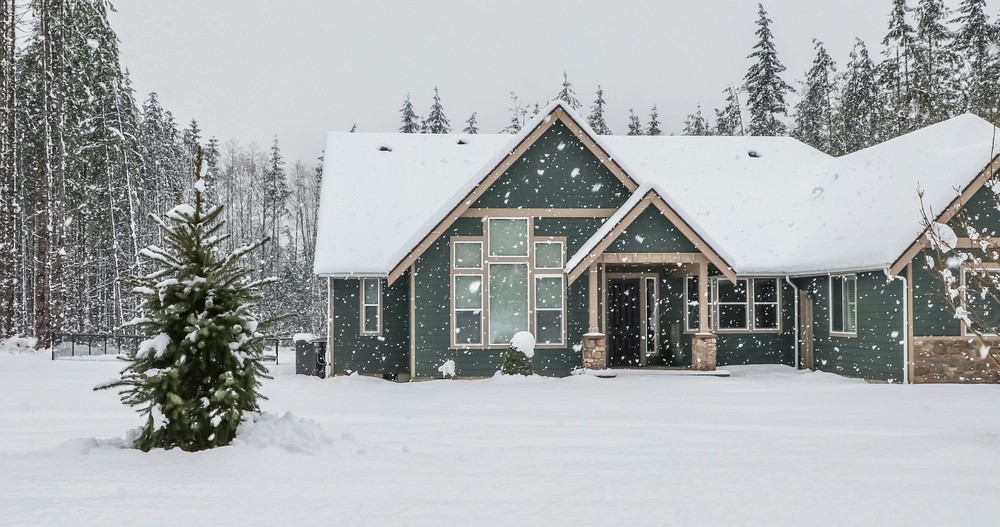
Winter can be harsh, and ensuring that your furnace is running efficiently is crucial for maintaining warmth and comfort in your home. A well-functioning furnace not only contributes to home improvement but also saves on energy costs. This comprehensive guide will provide detailed steps and tips to keep your furnace in optimal condition throughout the winter season.
Understanding Furnace Lifespan
The average lifespan of most furnaces can extend to around 15 years, as noted by Service Titan. Ensuring your furnace reaches its full lifespan involves regular maintenance and timely repairs. As furnaces age, their efficiency tends to decrease, making it essential to monitor their performance closely.
Regular inspection can significantly prolong your furnace’s lifespan. This includes checking for any wear and tear in essential components such as the blower motor and filters. Replacing or repairing these parts when necessary is a key aspect of home improvement that can prevent unexpected breakdowns.
Furthermore, understanding how your furnace operates can help in the early detection of potential issues. Learning the signs of a failing furnace can empower homeowners to take preventative measures. This proactive approach contributes not only to the longevity of the unit but also enhances efficiency, keeping your home comfortable all winter long.
Importance of Regular Maintenance
Routine maintenance is critical for the efficient operation of your furnace. Engaging a professional to conduct annual check-ups ensures all parts are clean and functioning properly, which boosts performance. A well-maintained system is less likely to break down during peak cold periods.
For DIY enthusiasts, changing filters regularly and cleaning vents can help maintain optimal airflow. Filters should ideally be replaced every 1-3 months, depending on usage and the environment. Regular maintenance not only supports energy efficiency but also enhances indoor air quality.
Another essential maintenance task is cleaning the furnace’s exterior and ensuring no debris obstructs airflow. This simple action can enhance the efficiency of the furnace, making it work less hard and last longer. Such small but effective actions are a testament to proactive home improvement strategies.
Fuel Options: The Role of Propane
Propane, a fuel first produced in 1912, is now widely used in various sectors, including home heating. The U.S. Environmental Protection Agency recognizes propane as an alternative fuel, highlighting its importance in eco-friendly home heating solutions. Utilizing propane can lead to cost-effective and efficient heating solutions in your home.
Propane-powered furnaces often provide even heat distribution, which can lead to enhanced comfort during the colder months. These systems tend to have lower operating costs and can be more resilient in extreme weather. For homes looking to upgrade, propane furnaces represent a significant home improvement investment.
Moreover, propane is considered a cleaner-burning fuel compared to traditional heating oils. This not only benefits the environment but also contributes to better air quality within the home. By understanding the benefits of propane, homeowners can make informed decisions about their home heating solutions.
Energy Efficiency Tips
Maximizing energy efficiency is crucial for keeping heating costs down and maintaining furnace performance. One effective method is employing programmable thermostats to control temperature settings based on your schedule. Adjusting temperatures by a few degrees when the house is empty or during sleep can lead to significant savings.
Sealing drafts around windows and doors is another energy-efficient practice. Ensuring your home is adequately insulated prevents heat loss, reducing strain on your furnace. These small changes collectively enhance the overall home improvement strategy, boosting comfort and efficiency.
Ensuring that your ductwork is well-insulated and leak-free is also vital. Leaky ducts can cause up to 30% heat loss, compromising efficiency. Regular inspection and sealing of these ducts can dramatically improve your heating system’s performance.
When to Replace Your Furnace
Knowing when to replace your furnace is key to maintaining home comfort and minimizing costly repairs. If a furnace often needs repairs or if heating bills are rising without increased usage, these are signs of inefficiency. Older models beyond 15 years are more prone to inefficiency and unexpected breakdowns.
Investing in a new furnace can be a substantial but necessary home improvement. Many modern models offer higher energy efficiency, saving money in the long run. Consider the current heating needs and whether an upgrade might offer improved functionality.
A professional assessment of your current furnace can provide a definitive answer. Experts can recommend whether to pursue repairs or consider replacement. Making informed decisions ensures that your home remains a warm haven throughout the winter months.
Keeping your furnace running efficiently during winter involves regular maintenance, understanding fuel options such as propane, and considering modern upgrades where necessary. By implementing these practices, homeowners can enjoy a warm and energy-efficient home environment. Remember, proactive steps today can prevent discomfort and higher costs in the future.