

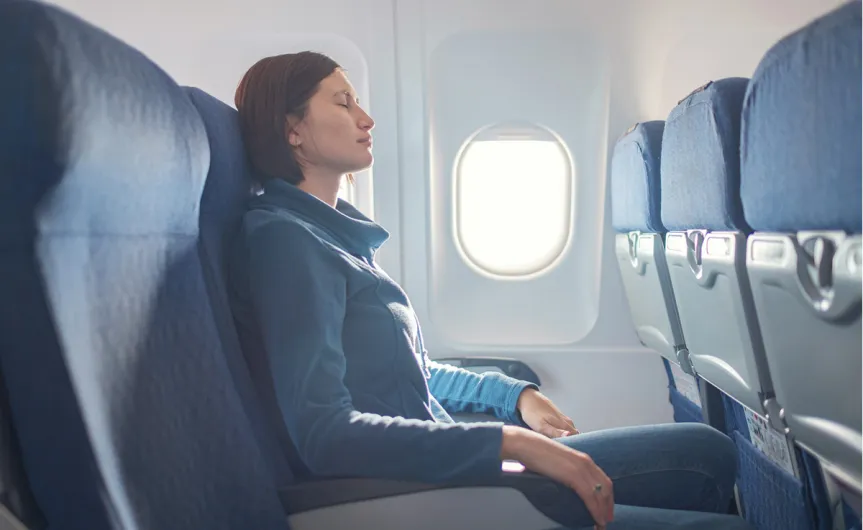
Travel should feel exciting, but many trips begin and end with unnecessary stress. Long check-in lines, unfamiliar procedures, tight schedules, and crowded spaces can quickly drain energy before the experience even begins. These small frustrations often shape how travelers feel about an entire trip, even when the destination itself is enjoyable.
Reducing stress requires more than good planning. The type of accommodation plays a major role in how smoothly a trip unfolds. Many travelers discover that Vacation Rentals offer a calmer, more predictable experience that supports comfort from the moment they arrive until the day they leave.
This emphasis on ease and clarity is often reflected by Stay Portland, where guest experiences are designed to feel simple, intuitive, and welcoming rather than complicated or rushed.
Stress often begins before check-in
Arrival is one of the most vulnerable moments of any trip. Travelers are tired, carrying luggage, and navigating an unfamiliar place.
Complicated check-in processes add pressure at a time when comfort is needed most.
Predictable arrival experiences
Clear arrival instructions reduce uncertainty. Knowing where to go and what to expect immediately lowers stress.
Straightforward access allows travelers to settle in without confusion.
Avoiding crowded arrival spaces
Busy lobbies and shared waiting areas increase anxiety, especially after long journeys.
Private access allows travelers to transition calmly into their accommodations.
Settling in without time pressure
Rigid check-in windows force travelers to rush or wait unnecessarily.
Flexible arrival options support smoother transitions and reduce time-related stress.
Creating immediate comfort
The first moments inside an accommodation shape perception.
Comfortable, prepared spaces allow travelers to relax right away instead of adjusting slowly.
Unpacking and feeling grounded
Being able to unpack helps travelers feel settled.
Spacious layouts encourage organization and reduce the sense of living out of a suitcase.
Independence during the stay
Independence reduces stress. Travelers feel calmer when they control their own schedules.
Self-contained accommodations support autonomy throughout the trip.
Fewer rules, fewer worries
Excessive rules create hesitation and self-consciousness.
Simple guidelines make guests feel trusted and comfortable.
Managing daily routines easily
Travel disrupts routines, but familiar setups help restore balance.
Having space to eat, relax, and recharge reduces daily friction.
Reduced noise and interruptions
Unexpected noise interrupts rest and concentration.
Quiet environments support relaxation and better sleep.
Comfort during downtime
Downtime is essential, not wasted.
Comfortable living spaces make rest feel intentional rather than forced.
Flexibility for changing plans
Plans often change during trips.
Flexible accommodations allow travelers to adapt without stress.
Avoiding constant coordination
Shared lodging often requires coordination with staff or other guests.
Private spaces reduce dependency and simplify daily movement.
Supporting emotional well-being
Stress accumulates when small issues repeat.
Comfortable environments help prevent emotional fatigue.
Simplified communication needs
Clear instructions reduce the need for repeated questions.
Less communication effort means more mental space to enjoy the trip.
Reducing decision fatigue
Too many decisions drain energy.
Familiar layouts and predictable setups simplify daily choices.
Maintaining privacy throughout the stay
Privacy reduces the feeling of being “on display.”
Travelers relax more when personal space is respected.
Supporting different travel paces
Some travelers move quickly, others prefer slow days.
Private accommodations support both without pressure.
Easier mornings and smoother starts
Calm mornings set a positive tone.
Less noise and fewer interruptions support relaxed starts.
Creating a reliable daily rhythm
Routine reduces stress.
Predictable environments support consistent rhythms during travel.
Minimizing unexpected disruptions
Shared spaces increase unpredictability.
Private accommodations reduce surprise interruptions.
Feeling safe and secure
Security influences stress levels.
Controlled access improves peace of mind.
Comfort that compounds over time
Stress compounds when comfort is limited.
Sustainable comfort becomes more valuable each day.
Supporting longer stays with ease
Longer stays amplify small inconveniences.
Vacation Rentals help prevent these issues by supporting daily living naturally.
Avoiding checkout anxiety
Rigid departure procedures create end-of-trip tension.
Simple checkout expectations allow travelers to focus on departure logistics calmly.
Packing without pressure
Calm environments make packing easier.
Less pressure leads to smoother departures.
Ending trips on a positive note
The final moments shape lasting impressions.
Stress-free departures leave travelers with positive memories.
Reducing travel burnout
Burnout often results from constant stimulation and lack of rest.
Comfortable accommodations reduce this risk.
Supporting mindful travel experiences
Mindful travel values presence and calm.
Stress reduction supports this mindset.
Encouraging return visits
Positive experiences encourage travelers to return.
Comfort builds loyalty over time.
The role of thoughtful preparation
Stress reduction starts before arrival.
Thoughtful preparation makes experiences feel seamless.
Balancing structure and freedom
Too much structure creates tension.
Balanced accommodations support freedom without confusion.
Travel confidence through predictability
Knowing what to expect builds confidence.
Confidence reduces anxiety.
Managing group dynamics smoothly
Reduced stress improves group interactions.
Comfortable spaces support harmony.
Simplifying the entire travel arc
From arrival to departure, ease matters.
Smooth transitions define enjoyable trips.
Professional attention to guest ease
Experience teaches which details matter most.
Midway through many stays, Stay Portland demonstrates how thoughtful design and clear processes reduce stress by making each stage of travel feel intuitive and calm.
Why stress-free travel feels more enjoyable
Enjoyment increases when stress decreases.
Calm supports curiosity and engagement.
Creating space for positive memories
Memories form more easily when stress is low.
Comfort shapes recollection.
Aligning accommodations with modern needs
Modern travelers value simplicity.
Ease is no longer optional.
The importance of smooth endings
Departures influence how trips are remembered.
Calm endings matter.
Supporting confident planning
Confidence starts with accommodation choice.
Predictability supports planning.
Why ease defines quality travel
Quality travel feels effortless.
Effortless experiences stand out.
The modern expectation of simplicity
Today’s travelers expect clarity and comfort.
Simple systems deliver better experiences.
Conclusion
Travel stress often comes from small moments that add up, from confusing arrivals to rushed departures. Accommodations that prioritize clarity, comfort, and independence help travelers move through each stage of a trip with ease. Vacation Rentals support this experience by reducing uncertainty, minimizing interruptions, and creating environments that feel calm and predictable.
When travel feels simple, enjoyment increases naturally. By focusing on smooth transitions and guest comfort, Stay Portland continues to show how thoughtful accommodations can transform trips into relaxed, confident experiences that travelers remember for all the right reasons.