

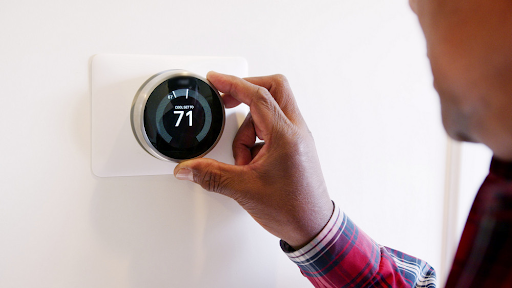
With the increasing focus on sustainability and energy efficiency, optimizing the temperature control in your home has become a priority. Not only does this lead to reduced energy bills, but it also creates an eco-friendly living space. Explore the essential aspects of enhancing your home’s temperature control system using modern guidelines and practices.
Eco-Friendly Refrigerants: The Future of Cooling Systems
The air conditioning and heating industry is on the verge of a significant transformation due to environmental regulations. According to the American Innovation and Manufacturing (AIM) Act, the Environmental Protection Agency (EPA) is tasked with reducing the production and consumption of hydrofluorocarbons (HFCs) by 85% by the year 2036. This shift is aimed at promoting more sustainable and environmentally friendly practices in home improvement.
Effective from January 1, 2025, all new residential and light commercial air conditioning systems, as well as heat pumps, are required to use refrigerants with a lower global warming potential (GWP). This change highlights the industry’s move towards minimizing environmental impacts while ensuring efficient temperature regulation in households. Opting for appliances that adhere to these standards not only aligns with legal requirements but also fosters greener home improvements.
Homeowners should consider upgrading to systems that already comply with these upcoming changes. By being early adopters of this technology, individuals not only preemptively comply with regulations but also may benefit from reduced long-term costs due to increased efficiency. As these trends continue, the market for home temperature control will likely see products engineered with both the environment and energy conservation in mind.
Consistent Maintenance: Prolonging Your System’s Lifespan
Regular maintenance of your heating, ventilation, and air conditioning (HVAC) system is crucial for optimal performance and longevity. Energy Star recommends changing your system’s air filter at least every 3 months to maintain efficiency. This simple yet critical task improves airflow and reduces the strain on your system, ensuring it operates smoothly and consumes less energy. Neglecting this maintenance can lead to higher energy bills and a shortened lifespan for your equipment.
Aside from filter changes, periodic inspections and servicing of HVAC components ensure that your system is running at peak performance. Engaging professional services at least once a year helps in identifying potential issues before they escalate, thereby saving homeowners from costly repairs or replacements. Routine checks can uncover hidden inefficiencies, helping to enhance the system’s overall performance.
Implementing a consistent maintenance schedule is not only a sensible approach to home improvement but also a financially wise decision. By maintaining the efficiency of your system, you ensure that your investment continues to deliver comfort and reliability, reducing unexpected expenses in the long run. Regular service visits and maintenance are small steps that make a significant difference as you improve your home’s temperature control.
Planning for the Future: Equipment Lifespan Considerations
Understanding the lifespan of your home’s furnace and air conditioning system can significantly impact your home improvement plans. According to Service Titan, a furnace can last up to 15 years when properly maintained. This information underscores the importance of planning and investing in high-quality systems that offer both durability and efficiency.
When considering a replacement, it is essential to research the latest technology and efficiency ratings. Newer models are often more energy-efficient and eco-friendly than older systems. Investing in systems with higher Seasonal Energy Efficiency Ratios (SEER) or Energy Efficiency Ratios (EER) can lead to substantial savings on your energy bills over time.
By understanding the lifecycle of your equipment and aligning it with innovations in the market, you ensure that your home’s temperature control systems are efficient, reliable, and future-proof. Planning replacements and upgrades with these considerations in mind can help create a comfortable, sustainable home environment while contributing to broader environmental goals.
Making informed decisions about your home’s temperature control systems can greatly enhance efficiency, sustainability, and comfort. Embracing eco-friendly refrigerants, maintaining regular servicing, and understanding equipment lifespan are crucial steps toward effective home improvements. By prioritizing these aspects, homeowners can create a more sustainable and economically viable living environment.