

Key Takeaways
- Customization in utility carts leads to significant improvements in workflow efficiency.
- Innovative materials and designs contribute to the durability and sustainability of utility carts.
- Integration of innovative technologies enhances the functionality and user experience of utility carts
Custom utility carts have evolved from simple transport tools to highly engineered platforms that drive productivity and streamline complex tasks across various sectors such as healthcare, manufacturing, hospitality, logistics, and retail. Today, choosing a custom utility cart is an organization’s strategic investment to boost workflow efficiency and improve employee satisfaction. Modern utility carts are no longer generic items—they are thoughtfully designed, robustly constructed, and now serve as integral assets in day-to-day operations. With tailored features, advanced materials, and the latest technological integrations, these carts empower teams to tackle demanding tasks faster, safer, and more consistently, helping businesses adapt to the ever-increasing pace of modern industry. As organizations seek to gain a competitive edge by refining every process, the need for task-specific utility carts has become more urgent than ever. Customized solutions address operational bottlenecks and create new opportunities for automation and optimization. By integrating innovation into their utility cart fleets, companies can achieve measurable improvements in operational speed, enhanced employee safety, and eco-friendly practices—all while setting benchmarks for workplace mobility and responsiveness.
Customization: Tailoring Carts to Specific Needs
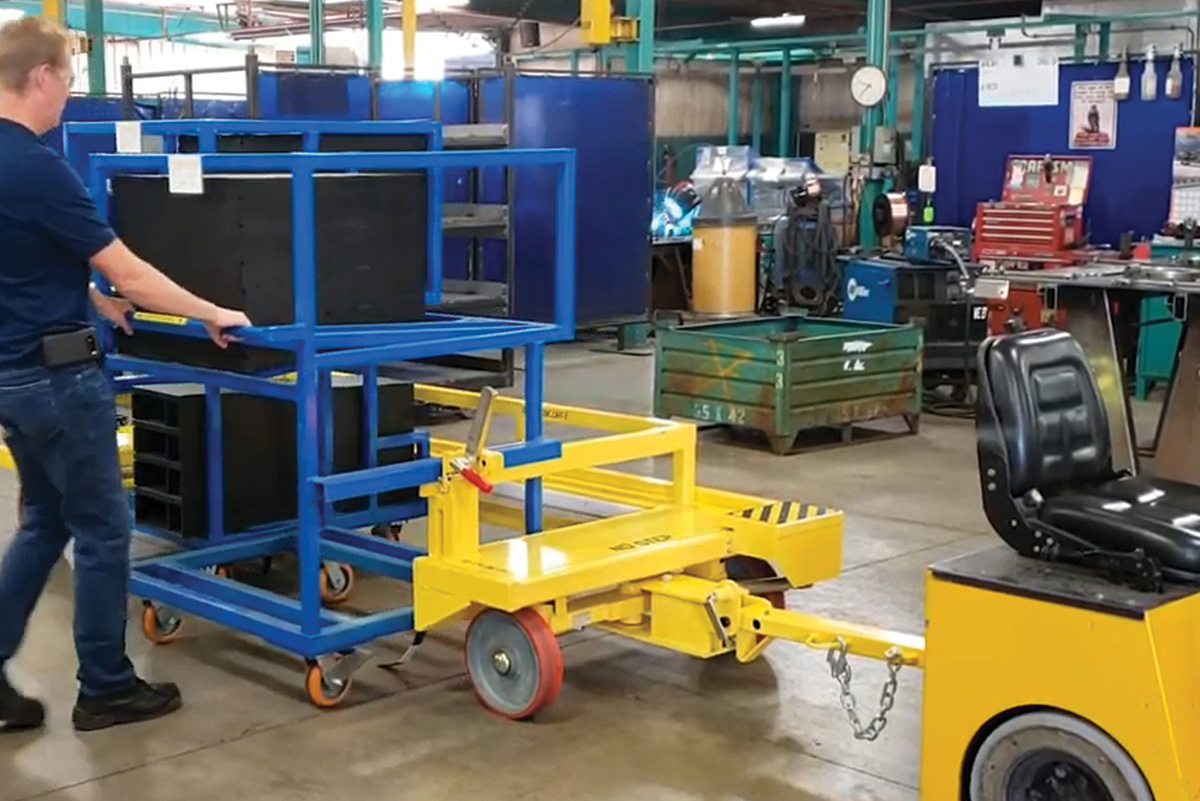
The days of relying solely on off-the-shelf utility carts are long gone. Now, businesses of all sizes are reaping the benefits of fully customized and modular cart solutions that can be configured for virtually any application or environment. Modular features—such as lockable compartments for sensitive materials, adjustable work surfaces to accommodate different tasks, power strips for on-the-go device charging, and specialist organizers for tools or medical supplies—make teams develop the exact workflow they need. Customization enables department leaders to focus on the precise needs of their staff, translating to a streamlined workflow and smoother coordination between team members. Studies show that teams that input into the customization process can realize efficiency gains of up to 30%, leading to faster service, more accurate work, and fewer wasted cycles correcting mistakes or tracking down mislaid materials. Healthcare organizations, for instance, are prime beneficiaries: a medication cart that features secure, passcode-protected drawers, integrated digital inventory tracking, and ergonomic push handles will drastically reduce the time spent on medication rounds, helping clinicians deliver safer, more accurate care. Meanwhile, manufacturing and assembly facilities can order carts optimized for quickly retrieving components, built-in tool racks, anti-static surfaces, and robust frames that withstand daily wear in demanding settings. With custom designs, every cart serves a targeted role in a larger workflow, maximizing productivity and reducing the risks of cross-contamination, misplacement, or work interruption.
Innovative Materials: Enhancing Durability and Sustainability
Changing attitudes towards sustainability and operational resiliency drive a revolution in the materials used to manufacture utility carts. Where metal or virgin plastic once dominated, new options like recycled plastics, lightweight aluminum alloys, and hybrid composites are becoming more popular. These materials are engineered to deliver the strength and durability required in commercial environments while also reducing the carbon footprint of each cart produced. Many businesses seek solutions that comply with green certifications and contribute positively to ESG (Environmental, Social, and Governance) goals. Adopting lightweight materials brings ergonomic advantages as well, making carts easier for staff to handle and push even when fully loaded, boosting productivity and reducing the risk of repetitive strain injuries. Advanced coatings and surface treatments enhance durability and make cleaning and disinfection easier, especially in clinical environments where infection control is paramount. The upshot is a new generation of carts that last longer, perform better, and support business sustainability with every use.
Smart Technology Integration: Elevating Functionality
Integrating digital technologies and IoT (Internet of Things) devices has significantly improved utility cart innovation. Modern utility carts can now be equipped with RFID tags, GPS trackers, and embedded sensors that offer constant feedback about their status and whereabouts within a facility. These features allow managers to monitor fleet health, prevent equipment loss, and gather meaningful data about how, when, and where carts are used most. Advanced carts with IoT capabilities can even be linked to automated inventory systems, sending alerts when stock levels of critical supplies get low or triggering scheduled maintenance requests to minimize downtime. As more companies move towards digital transformation, integrating innovative cart technologies is essential for streamlined facility management, cost control, and maximizing equipment utilization—all of which reduce operational disruptions and support a more agile business model.
Ergonomics: Prioritizing User Comfort
Prioritizing ergonomic comfort in cart design is crucial for minimizing workplace injuries and improving employee satisfaction. Ergonomically designed carts feature adjustable handles to suit different users’ heights, smooth-rolling wheels for effortless maneuvering, and balanced frames that reduce strain on arms and backs. Such designs are founded on extensive research into the physical demands of staff who use carts for hours daily. When workplace injuries related to lifting or repetitive movements are reduced, employees can work more comfortably and efficiently, which drives up morale and workplace engagement. Companies that invest in ergonomic equipment see reductions in absenteeism, lower insurance costs, and higher retention rates, making wise ergonomic choices a win-win for everyone involved.
Real-World Applications: Success Stories
Industry leaders such as Buffalo Carts are showcasing how responsible material choices and innovative features create functional and environmentally conscious products. By prioritizing recycled content and adopting advanced manufacturing methods, they demonstrate how utility carts can help companies reduce waste and operating costs without sacrificing quality or performance. Their line of carts, now widely adopted in sectors from hospitals to hotels, stands as evidence that sustainability and superior design can co-exist. By continually iterating on their products, Buffalo Carts and similar companies encourage an industry-wide shift toward greener, more innovative solutions that enhance everyday working life.
Maintenance: Ensuring Longevity
Even the most advanced utility carts demand routine care and periodic inspections to keep them working flawlessly. Preventive maintenance—regular cleaning, checking for loose fittings, lubricating wheels and axles, and inspecting handles—can prevent major repairs and keep safety risks at bay. Developing a scheduled maintenance plan extends the usable life of each cart and prevents unexpected breakdowns that can halt workflows or cause costly emergencies. By investing consistently in maintenance protocols, organizations safeguard their staff and optimize resource utilization. Over time, this contributes to lower capital outlays for replacement, less disruption to operations, and a safer overall work environment.
Conclusion
Innovative approaches to custom utility cart solutions bring clear and lasting advantages by improving workflow efficiency, supporting worker well-being, and fueling responsible business growth. By focusing on tailored features, sustainable and durable materials, innovative technology, and proactive maintenance, companies position themselves for success, future-proofing their operations and supporting higher-performing, safer workspaces for everyone.