

Key Takeaways
- Define your needs before starting your search for the ideal truck.
- Inspect potential trucks thoroughly, inside and out, and check mechanical components.
- Examine the truck’s maintenance history and ownership records.
- Review financing strategies and give preference to reputable sellers for a secure purchase.
Choosing a used truck can be an excellent way to get the power and capability you need while saving money compared to purchasing new. With so many makes, models, and conditions available in today’s market, it is crucial to approach your truck search with a plan. Whether you are searching for a workhorse to handle demanding tasks or a comfortable daily driver, being strategic about your purchase increases your chances of finding a truck that reliably serves your needs. If you are considering something unique, reviewing custom pickup trucks for sale can offer even more choices tailored to your lifestyle. Following a clear process will help you avoid common pitfalls and enjoy your used truck for many years. Preparation extends beyond budget and model preference. Careful inspection, review of a vehicle’s history, and knowing exactly what you need all play a role. By learning best practices for buying a used truck, you can confidently navigate listings and dealership lots alike, making your selection with peace of mind.
Determine Your Specific Requirements
You can begin your search by clarifying what you want your truck to accomplish. Is towing capacity a must-have for hauling trailers or equipment? Will fuel efficiency matter for long commutes or frequent travel? The truck bed size, cab configuration, four-wheel-drive capability, and creature comforts such as infotainment systems and advanced driver assistance features should all be considered. By making a list of must-haves versus nice-to-haves, you can efficiently narrow down your options and avoid settling for a mismatched vehicle.
If you anticipate using your truck for jobsite work or outdoor adventures, models designed for durability and higher payload are likely the best fit. Urban drivers, on the other hand, may be better served by midsize pickups that offer easier maneuverability and enhanced gas mileage. Make sure the trucks you’re considering will fit your lifestyle and daily routine.
Conduct a Thorough Inspection
Once you have found a few promising candidates, a comprehensive inspection is critical. Please check the exterior for any signs of prior accidents or corrosion, especially in the undercarriage and wheel wells. Even seemingly minor rust can spread and lead to costly repairs. On the interior, examine upholstery, dashboard controls, and tech features for signs of excessive wear or malfunction. Functional air conditioning, heating, and electrical systems are all essential for comfort and convenience.
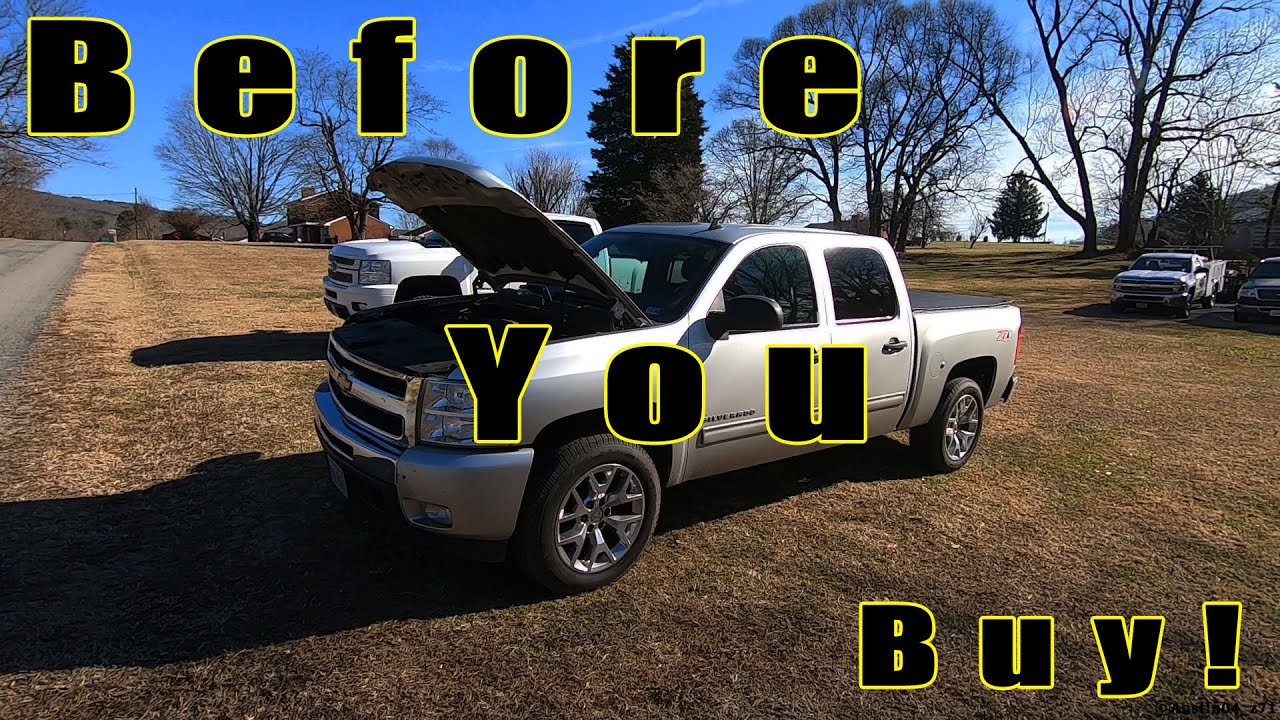
Pop the hood and review mechanical components like the engine, transmission, and suspension. Pay attention to fluid levels, leaks, and any odd noises during a test drive. Remember that modern trucks often have complex electrical systems and onboard diagnostics, so it is wise to bring a trusted mechanic or use a professional inspection service when in doubt. For additional guidance, the in-depth checklist from Consumer Reports can help ensure you do not overlook anything important.
Review Vehicle History and Maintenance Records
Always request a vehicle history report to uncover past accidents, title status, and service records. Trucks with well-documented maintenance histories tend to be more reliable and have higher resale value. If a seller cannot provide service records or is vague about past maintenance, proceed with caution. A history check should also reveal any unresolved recalls or issues relating to previous ownership transfers.
Consider Financing Options
Evaluate how you plan to pay for your truck. Loans from credit unions, banks, or dealer financing programs each have distinct advantages. Traditional auto loans offer full vehicle ownership after repayment, while lease-to-own agreements generally require lower initial payments but may come with mileage limits or additional fees. Take time to review your credit score before applying, as a higher score can help you secure lower interest rates and more favorable terms. Building up a down payment can further reduce your financing costs in the long run.
Purchase from a Reputable Seller
Choosing where to buy is nearly as important as selecting your preferred truck. Certified pre-owned programs at dealerships provide added assurance thanks to multipoint inspections, warranties, and return policies. Private sellers may offer competitive prices, but you will need to be proactive in verifying the truck’s condition and paper trail, as there are fewer guarantees if something goes wrong after the sale. Online marketplaces and reviews can help verify the reputation of both dealerships and individual sellers.
Be Aware of Aftermarket Modifications
When browsing used trucks, be cautious around those with numerous aftermarket upgrades, such as performance chips, lift kits, or extensive cosmetic changes. While some modifications are purely aesthetic or practical, others may suggest the vehicle was driven hard or used off-road, potentially shortening its lifespan. If modifications are present, ensure they were performed professionally and have not voided the manufacturer’s warranty or caused safety issues.
Verify Safety Features and Recalls
Safety should never be compromised in a vehicle purchase. Confirm that any truck you are considering is equipped with modern safety features, such as airbags, anti-lock brakes, traction control, and stability systems. Use the National Highway Traffic Safety Administration (NHTSA) website to search for open recalls by VIN and ensure any needed repairs are completed. Addressing recalls promptly is crucial not only for your safety but also for the long-term reliability of the truck.
Test Drive and Final Evaluation
Always conduct a thorough test drive before finalizing your decision. Use this time to evaluate steering response, braking, acceleration, and the overall ride quality. Keep an eye (and ear) out for any irregularities, such as vibrations or noises when turning, accelerating, or braking. Confirm that technology features, backup cameras, navigation, and sound systems are all functioning correctly. A test drive is your final opportunity to spot potential issues and to determine if the truck truly matches your requirements. By following these steps, you put yourself in a strong position to make a wise purchase. A careful and calculated approach will help you secure a used truck that delivers dependable performance, maximizes your investment, and enhances your daily life for years to come.
Conclusion
Buying a used truck can be a smart and cost-effective way to gain power, versatility, and reliability, if approached with care and planning. By clearly defining your needs, conducting thorough inspections, reviewing maintenance and ownership history, and verifying safety features and recalls, you can make a well-informed decision that minimizes risk. Considering financing options and purchasing from reputable sellers further ensures a smooth transaction, while a careful test drive confirms the truck meets your expectations. Paying attention to aftermarket modifications and the overall condition of the vehicle helps you avoid surprises and protect your investment. Following this structured approach empowers you to confidently select a used truck that will serve your lifestyle, work, and adventures reliably for years to come.