

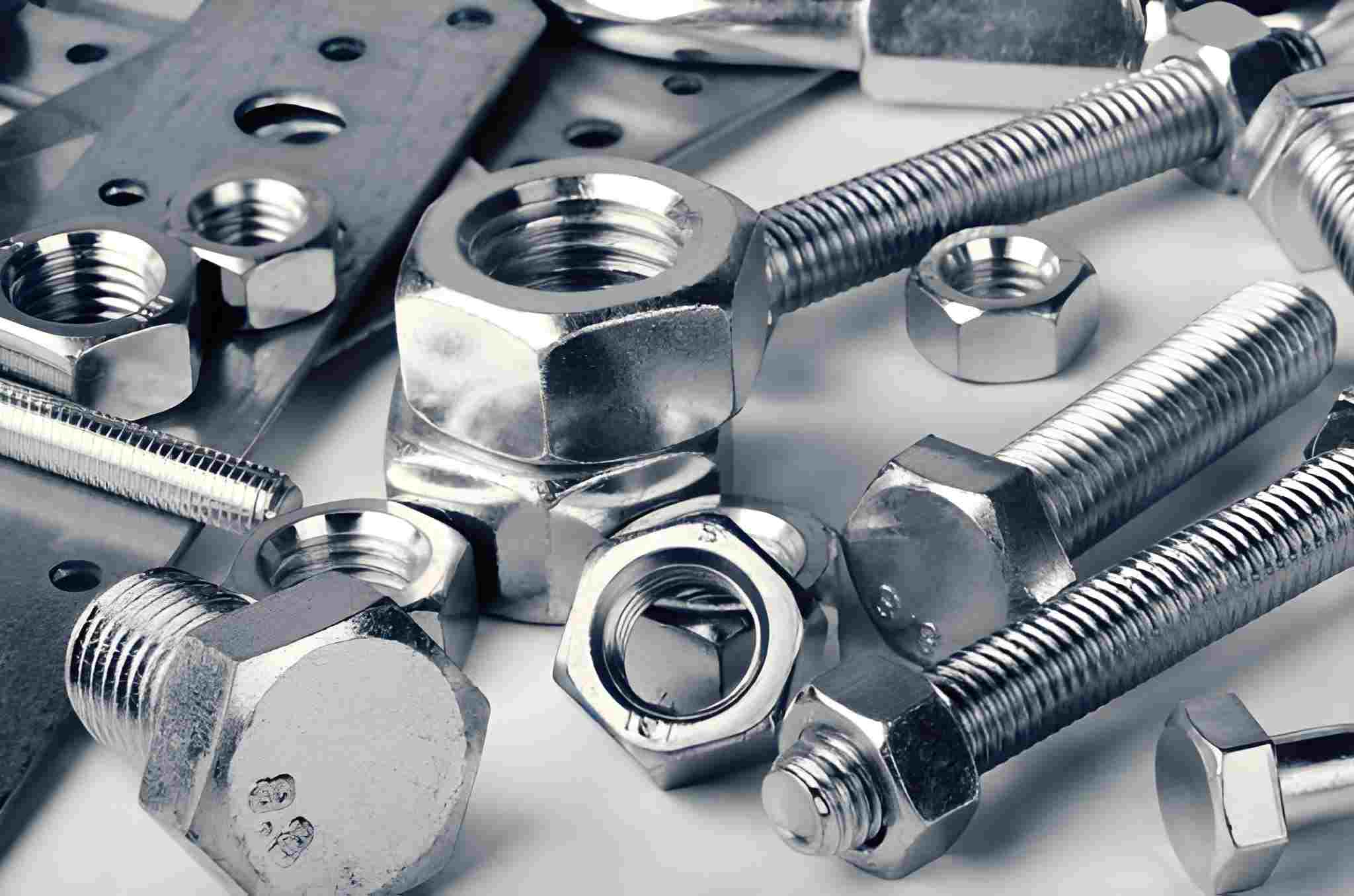
In an era where automation, smart manufacturing, and advanced materials dominate industrial conversations, it’s easy to assume that older mechanical components have lost their relevance. However, anyone involved in maintenance, repair, or overhaul (MRO) work knows that legacy fasteners continue to play a critical role in keeping equipment operational. From aging manufacturing plants to long-serving industrial machinery, these traditional fastening solutions remain essential for reliability, compatibility, and cost-effective maintenance.
Understanding why legacy fasteners still matter—and how to source the right ones—can save time, prevent equipment failure, and extend the life of valuable assets.
What Are Legacy Fasteners?
Legacy fasteners refer to screws, bolts, and threaded components that were widely used in older machinery designs and industrial standards. Many of these fasteners predate modern metric systems or use head styles and drive types that are no longer common in new equipment.
Despite being considered “old-style,” these fasteners are far from obsolete. In fact, many industrial facilities still rely on equipment built decades ago, where replacing the original fastener type with a modern alternative could compromise fit, function, or safety.
Why Modern Maintenance Still Depends on Them
Equipment Compatibility
One of the biggest challenges in industrial maintenance is compatibility. Older machines were engineered with specific tolerances, thread types, and head designs. Swapping out a legacy fastener for a newer substitute often leads to alignment issues, uneven load distribution, or improper torque application.
Using the correct fastener ensures that machinery operates as originally intended, reducing wear and avoiding unplanned downtime.
Cost-Effective Repairs
Replacing entire assemblies just to accommodate modern fasteners is rarely practical. Maintenance teams often work under tight budgets and timelines, making direct replacement with like-for-like components the most efficient option.
Legacy fasteners allow technicians to repair and restore machinery without redesigning parts or modifying housings, which keeps maintenance costs under control.
Proven Reliability
Many traditional fastener designs have stood the test of time. Their continued use is a testament to their strength, simplicity, and reliability in demanding industrial environments. When properly manufactured and installed, these fasteners perform just as effectively today as they did decades ago.
The Role of Square Head Set Screws in Legacy Systems
Among the most recognizable legacy components are square head set screws. These fasteners were commonly used in industrial machinery, power transmission systems, and heavy equipment due to their ease of adjustment and strong torque application.
In modern maintenance work, sourcing authentic replacements is essential. This is where industrial set screws become particularly important, especially when maintaining older systems that were designed around square head configurations.
Square head set screws offer several advantages:
- Easy grip for wrenches, even in oily or dirty environments
- Precise adjustment for shafts, collars, and mechanical components
- Strong holding power in vibration-prone applications
For maintenance professionals working on legacy equipment, having access to these fasteners ensures accurate repairs without compromising original design integrity.
Balancing Old and New in Maintenance Strategies
Modern maintenance practices often blend traditional components with newer technologies. While predictive maintenance tools and digital monitoring systems improve efficiency, the physical hardware still relies on time-tested fastening solutions.
Legacy fasteners play a key role in:
- Preventive maintenance schedules
- Emergency repairs where exact replacements are required
- Extending the lifespan of older but reliable machinery
Rather than replacing legacy systems entirely, many facilities choose to maintain and optimize them, making dependable fastener sourcing a strategic priority.
Sourcing Quality Legacy Fasteners
Not all fasteners are created equal, and this is especially true when dealing with older standards. Poorly made replacements can strip threads, fail under load, or cause long-term damage to equipment.
A reliable supplier should offer:
- Consistent manufacturing quality
- Clear specifications for thread size, material, and head type
- Availability of inch-based and specialty fasteners
FastenersDirect has built a reputation for supporting both modern and legacy fastening needs, making it easier for maintenance teams to find exact-match components without unnecessary delays.
Why Legacy Fasteners Will Continue to Matter
Industrial equipment is built to last, often far longer than anticipated at the design stage. As long as these machines remain in service, legacy fasteners will remain relevant. Their continued use reflects practical engineering decisions rather than resistance to innovation.
In many cases, the smartest maintenance choice isn’t replacing what works—but preserving it with the right components.
Conclusion
Legacy fasteners are more than remnants of the past; they are essential tools in modern maintenance work. Their compatibility, reliability, and cost-effectiveness make them indispensable for industries that rely on long-serving equipment. By understanding their role and sourcing them from trusted suppliers, maintenance professionals can ensure safe, efficient, and long-lasting repairs.
As technology evolves, the value of proven mechanical solutions remains unchanged. Legacy fasteners continue to hold modern industry together—one precisely fitted thread at a time.