
Summary
A norse translator helps turn modern words into Old Norse, the language once used by Vikings. Many people search for this tool to create tattoos, names, or short phrases. But most tools are not fully correct because Old Norse has its own grammar and rules. In this article, you will learn how Old Norse translation works, how rune writing is different, and how to get better results with simple steps. You will also see useful examples and clear tables to help you understand.
Key Takeaways
- A norse translator often gives rough results, not perfect ones.
- Old Norse is a full language, while runes are only a writing system.
- Short and clear phrases work best for translation.
- Many online tools only change letters, not meaning.
- Always check your translation before using it for tattoos or designs.
What Is a Norse Translator?
A norse translator is a tool that tries to change English into Old Norse language. Many people also search using terms like “old norse translator”, “viking language translator”, and “translate to norse runes”.
These tools are popular because Viking culture is strong and bold. But most tools do not fully understand grammar. They often give simple or guessed results.
What Is Old Norse Language?
Old Norse is an ancient language from northern Europe. It was spoken by Viking people in places like Norway, Sweden, and Iceland.
People used it in:
- daily life
- stories and poems
- myths about gods
Today, it is not spoken, but it is still studied. Modern Icelandic is very close to Old Norse.
Old Norse vs Norse Runes
Many users search for “norse runes translator” or “viking runes meaning”. This can cause confusion.
Old Norse
Old Norse is a language with meaning and rules.
Runes
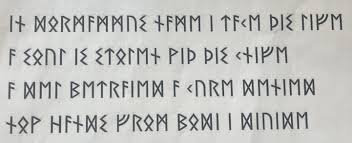
Runes are letters used to write that language.
So when you use a norse translator, you may get:
- a word in Old Norse
- or the same word written in runes
Both are not the same thing.
How a Norse Translator Works
Most tools follow a simple process. They read your English words, match them with known Old Norse words, and then give a result.
Some tools also:
- convert text into runic alphabet
- give more than one result
- use AI to guess meaning
Even then, they are not always correct.
Why Translation Is Difficult
Old Norse is not easy to translate. Many people search “accurate norse translator” or “real viking translation” because they face errors.
Here are the reasons:
- Words can change form
- Sentence order is different
- One word may have many meanings
- Some English words do not exist in Old Norse
This makes direct translation hard.
Simple Steps for Better Translation
To improve your result, follow a simple method.
Keep Your Text Short
Short phrases work best. Long sentences often fail.
Focus on Meaning
Think about what you want to say, not just the words.
Find Correct Words
Use trusted sources for Old Norse vocabulary.
Check Word Form
Words change based on use, so check their form.
Add Runes Later
Only convert to runes after you confirm the word.
Example Words in Old Norse
| English | Old Norse |
|---|---|
| Strength | styrkr |
| Honor | heiðr |
| Warrior | víkingr |
| Love | ást |
| Fear | ótti |
Example Phrases
| English Phrase | Old Norse |
|---|---|
| Strong warrior | sterkr víkingr |
| Brave heart | hugrakkt hjarta |
| No fear | engi ótti |
| Win or die | sigr eða deyja |
Mistakes to Avoid
Many people make errors when using a norse translator.
One common mistake is direct word swap. This ignores grammar. Another mistake is trusting rune converters as real translators. Some users also skip checking meaning, which leads to wrong results.
These mistakes are common in tattoo designs and often stay forever.
Why People Use Norse Translation
The search for “viking symbols translator” and “old norse name generator” shows strong interest in this topic.
People use it for:
- tattoos
- gaming names
- fantasy writing
- logo design
- social media
The style feels powerful and ancient.
Basic Grammar Idea
Old Norse has rules that make it different from English.
- Words change form
- Gender matters
- Sentence order may change
This is why simple tools may not work well.
Rune Writing Basics
Runes follow sound patterns. They are not just simple letters.
Each rune:
- stands for a sound
- may represent more than one letter
So using a “norse runes translator” without checking can give wrong results.
Comparison Table
| Feature | Old Norse | Runes |
|---|---|---|
| Type | Language | Alphabet |
| Has grammar | Yes | No |
| Used for speech | Yes | No |
| Used for writing | Yes | Yes |
Can You Trust These Tools?
A norse translator is helpful but not perfect. It should be used as a starting point.
Do not treat it as final truth. Always check results with more than one source.
Better Way to Get Accurate Results
If you want a strong result, follow this simple path.
First, use a translation tool. Next, check each word. Then compare with other sources. After that, review meaning. Finally, confirm before using it.
This process helps avoid mistakes.
Why This Topic Is Popular
Search terms like “viking language translator online” and “old norse converter free” show growing interest.
People like:
- Viking history
- strong words
- unique designs
Old Norse feels bold and powerful.
Conclusion
A norse translator can help you explore the language of the Vikings, but it is not always accurate. Old Norse is a real language with rules, not just symbols.
To get better results, keep your phrases simple, focus on meaning, and check your translation carefully. Runes may look cool, but they are only a writing system, not the language itself.
With the right steps, you can create strong and meaningful Old Norse text that truly reflects what you want to say.