

You know the moment.
You’re at a restaurant. The lights are dim. The menu font? Tiny.
You squint. Stretch your arm. Pull out those $12 readers you swore you’d never own.
Presbyopia has entered the chat.
If you’re over 40 and suddenly struggling to read up close, welcome to the club. It’s not a disease. It’s not your fault. It’s just your lenses aging out of their flex-game.
But if you’ve heard whispers of a non-surgical fix—aka presbyopia eye drops—you’re not alone. A new class of eye drops promises clearer near vision without glasses. Sounds like magic. Or at least sci-fi. But it’s real, FDA-approved, and already helping people ditch their readers.
Still, as with anything promising near-instant results, there are trade-offs, ideal candidates, and a few caveats.
Here’s what you really need to know before trying presbyopia eye drops.
First, What Are Presbyopia Eye Drops?
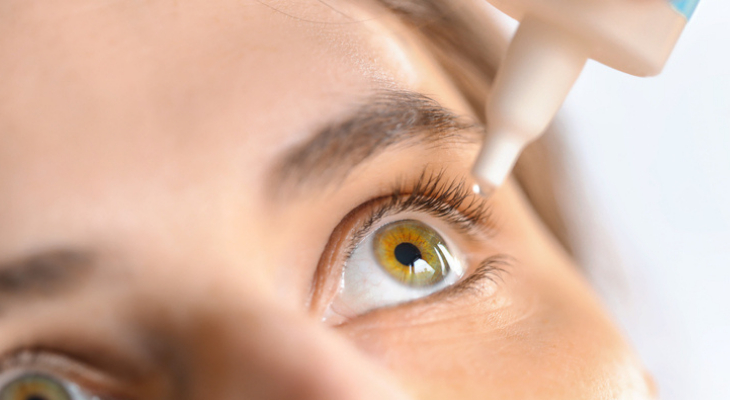
Presbyopia eye drops are medicated solutions that temporarily improve near vision by shrinking the pupil. This effect, known as pinhole optics, increases your eye’s depth of focus—kind of like narrowing the aperture on a camera.
Result? Things up close look clearer without affecting your distance vision too much.
Most formulas start working within 15–30 minutes and last around 4–6 hours. They’re applied once daily, usually in both eyes.
The most well-known version? Vuity, the first FDA-approved presbyopia drop. But more competitors are entering the market, and access models are streamlining how you get them.
Are You a Good Candidate? Let’s Break It Down
Presbyopia drops are a game-changer—for the right eyes.
Here’s who they’re typically best for:
– Age 40–55: These drops work best in early-stage presbyopes whose eyes still have some natural accommodation left. If you just started needing readers recently, you’re the sweet spot.
– No major eye issues: You shouldn’t have advanced dry eye, cataracts, or glaucoma.
– Desire occasional freedom from glasses: Not a full-time replacement, but great for social settings, work, or days when you’d rather not juggle eyewear.
– Good distance vision: If you already wear distance correction, talk to your provider—drops may only be useful in one eye or with adjusted prescriptions.
Benefits Worth Buzzing About
- Glasses-free reading for hours at a time
- Quick onset—many people notice clearer vision within 30 minutes
- Non-invasive and easy to use
- No permanent changes to your eye structure
- Aesthetic bonus: Smaller pupils mean less glare and potentially a more youthful look
Let’s be real—many people simply don’t like the look, feel, or hassle of readers. These drops offer a discreet workaround that doesn’t broadcast “I’m over 40” every time you need to read a label.
But What Are the Drawbacks?
Like any medical product, presbyopia eye drops aren’t a perfect fix for everyone.
Here’s what to keep in mind:
– Temporary effect: This isn’t a cure. You’ll need to apply daily for continued benefits.
– Mild side effects: Some users experience headaches, eye redness, or stinging upon application—usually short-lived.
– Low-light vision: Since your pupils are smaller, you might struggle a bit in dim conditions (hello, restaurant menus… again).
– Reading time limit: For people who read extensively for work, 4–6 hours of clear vision may not cut it.
– May not work well with distance correction: If you wear glasses for distance, you’ll need a customized plan—possibly monovision or blended approaches.
It’s important to be realistic: these drops are a great tool, not a total replacement for all vision correction. Think of them as part of a flexible vision strategy, not the entire solution.
How Do You Get Them? And What Do They Cost?
Presbyopia drops are available by prescription only. But that doesn’t mean you need to make five phone calls and sit in a waiting room for 90 minutes.
Providers like Vizz offer a streamlined, telehealth-based way to access presbyopia eye drops—with:
- Transparent pricing
- Licensed providers
- Home delivery
- No insurance games or pharmacy markup surprises
Depending on the formula and supply, expect to pay between $79–$99/month out of pocket. That’s less than a pair of progressive readers—and a lot less than eye surgery.
How to Get the Most from Your Drops
A few pro tips to maximize results:
– Apply consistently at the same time each day
– Wait before using screens—give your eyes time to adjust
– Skip before driving at night if you’re sensitive to low light
– Use early in the day to match your peak near-vision needs
– Don’t share—ever. Even with your equally presbyopic spouse
And always follow instructions from your provider. If anything feels off (blurry distance vision, lasting irritation), pause and reach out.
The Verdict: Is It Worth It?
If you’re tired of readers, in early stages of presbyopia, and want a flexible, non-invasive option? Presbyopia eye drops could be a perfect fit.
They’re fast, convenient, and (let’s be honest) kind of empowering. No more panic when you leave your glasses behind. No more flipping between screens and specs.
Just remember: it’s not magic—it’s science. And while presbyopia isn’t going away, your need for readers… just might.