

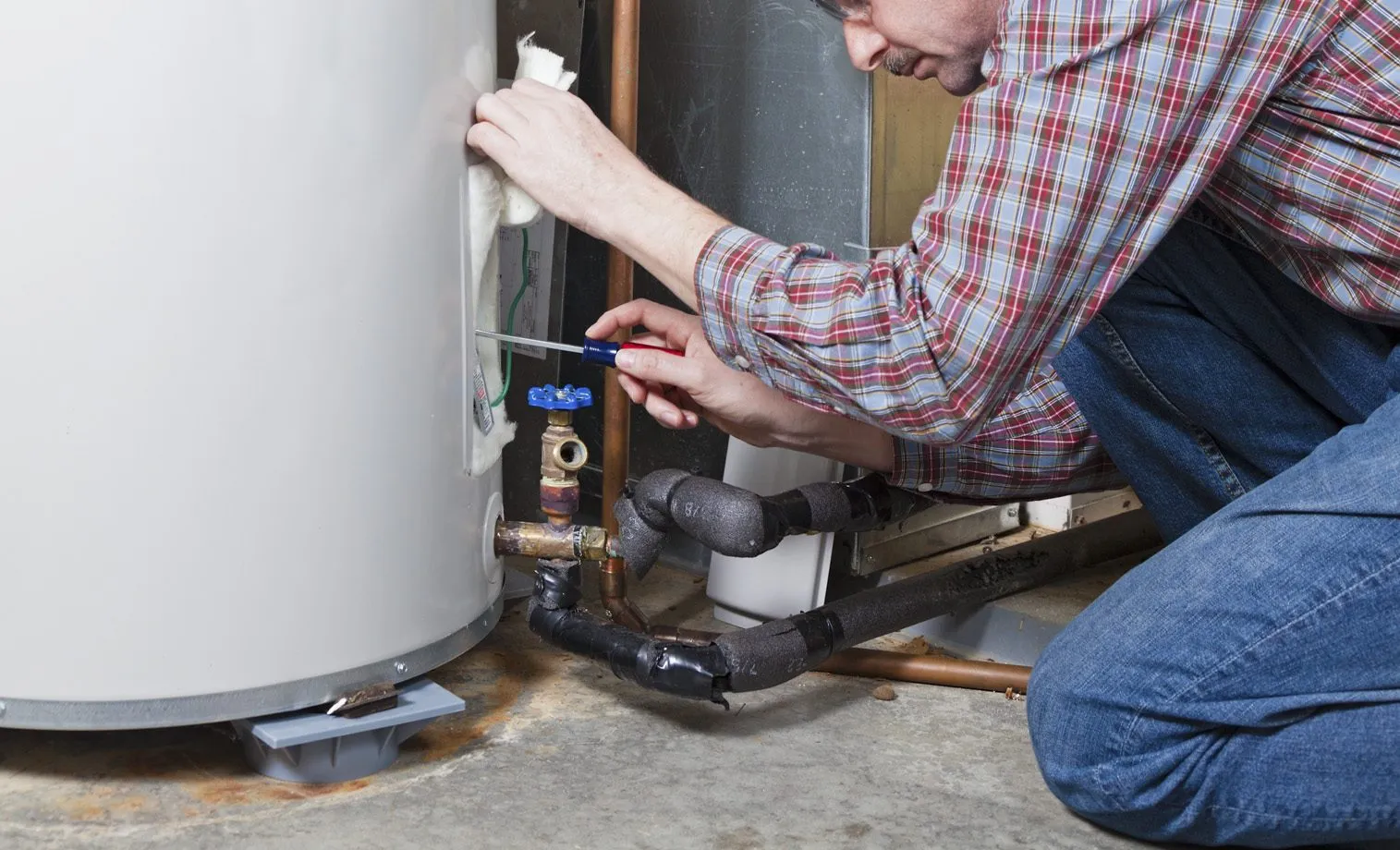
Winter is a challenging season for water heaters, as colder outside temperatures increase the system’s workload and the likelihood of mechanical issues. Homeowners in colder regions often find that their water heaters struggle to maintain performance when it is needed most. Fortunately, by understanding common winter-specific problems and adopting simple preventive measures, you can avoid unexpected disruptions. If you are experiencing trouble with your water heater this season or want to prepare for colder weather, seeking professional water heater repair in Woodstock can be a proactive choice to maintain comfort and efficiency in your home.
The winter months bring unique challenges for water heaters, such as sediment buildup, frozen pipes, and thermostat malfunctions. Addressing these issues before they escalate is key to enjoying a reliable hot water supply throughout the coldest days. With a little know-how and regular maintenance, you can extend the life of your water heater while also saving on energy bills.
Sediment Buildup
Water contains minerals that naturally settle at the bottom of your water heater over time. During winter, frequent and extended heating cycles accelerate sediment accumulation, making the heating elements far less effective. This not only increases your utility bills but also shortens your system’s lifespan. To prevent this, experts recommend flushing your water heater tank at least once per year to remove sediment. Flushing helps maintain efficiency, extend the heater’s life, and ensure optimal hot water production.
Frozen Pipes
Frozen pipes are a common winter hazard for any plumbing system, especially where pipes are uninsulated or exposed to outdoor temperatures. If pipes leading to or from your water heater freeze, you might experience reduced water flow or even complete blockages. Worse, frozen pipes can burst, leading to costly water damage and emergency repairs. Protect your pipes by adding pipe insulation, particularly in basements, crawl spaces, or attics. On exceptionally cold nights, allow a slow trickle of water from faucets to keep water moving and reduce the risk of freezing. Opening cabinet doors under sinks can also help warm air circulate more freely around plumbing lines.
Insufficient Hot Water
The incoming water temperature drops significantly during winter, meaning your heater has to work harder and longer to heat the water to a comfortable level. This can sometimes result in lukewarm or insufficient hot water, particularly during peak usage periods. Make sure your water heater matches your household’s hot water demand, and avoid scheduling high-consumption activities like showers, laundry, and dishwashing all at once. If your current water heater is older or undersized, consider upgrading to a more efficient or appropriately sized model.
Pressure Relief Valve Malfunction
The temperature and pressure relief (TPR) valve is a crucial safety component in water heaters. It is designed to relieve excess pressure and prevent dangerous tank explosions, which can be a risk when fluctuating winter temperatures place stress on the unit. Check your TPR valve every few months by lifting the lever slightly to ensure water is released from the discharge pipe. If the valve does not operate smoothly or if it fails to release water, it should be replaced immediately to maintain system safety. Regular testing of the pressure relief valve can help catch this issue early.
Thermostat Settings
Finding the right thermostat setting is particularly important during winter, when many homeowners are tempted to increase the temperature for extra comfort. Setting your water heater thermostat higher than the recommended 120°F (49°C) is rarely necessary and increases both your energy bill and the risk of scalding. Conversely, setting it too low compromises comfort and may not provide adequate hot water. Adjust your thermostat carefully and monitor water temperature to ensure efficiency and safety.
Insulating the Water Heater
Adding insulation to your water heater tank as well as the first several feet of hot and cold water pipes, reduces standby heat loss and keeps water hotter for longer periods. Water heater blankets and tube insulation are affordable solutions that can be installed in just a few hours. Be careful not to obstruct the heater’s thermostat, gas vents, or burner area with insulation materials, as this can lead to serious safety hazards or inefficient heating. Proper insulation is particularly important in unheated basements or garages.
Regular Maintenance
Routine professional inspections and maintenance keep your water heater running smoothly, especially during the demanding winter season. A qualified technician can flush the tank, check the condition of the anode rod (which prevents corrosion), inspect for signs of rust or leakage, and test the thermostat and heating elements for proper operation. Scheduling this maintenance annually greatly reduces the risk of costly breakdowns, improves energy efficiency, and extends your water heater’s service life.
Conclusion
Winter water heater issues can create major discomfort and lead to expensive repairs, but preventive strategies make all the difference. Addressing sediment buildup, protecting against frozen pipes, monitoring your thermostat settings, and investing in regular maintenance are all essential winter tasks. By preparing your home before a severe cold sets in, you can keep your family comfortable with a reliable and efficient hot water supply all season long.