

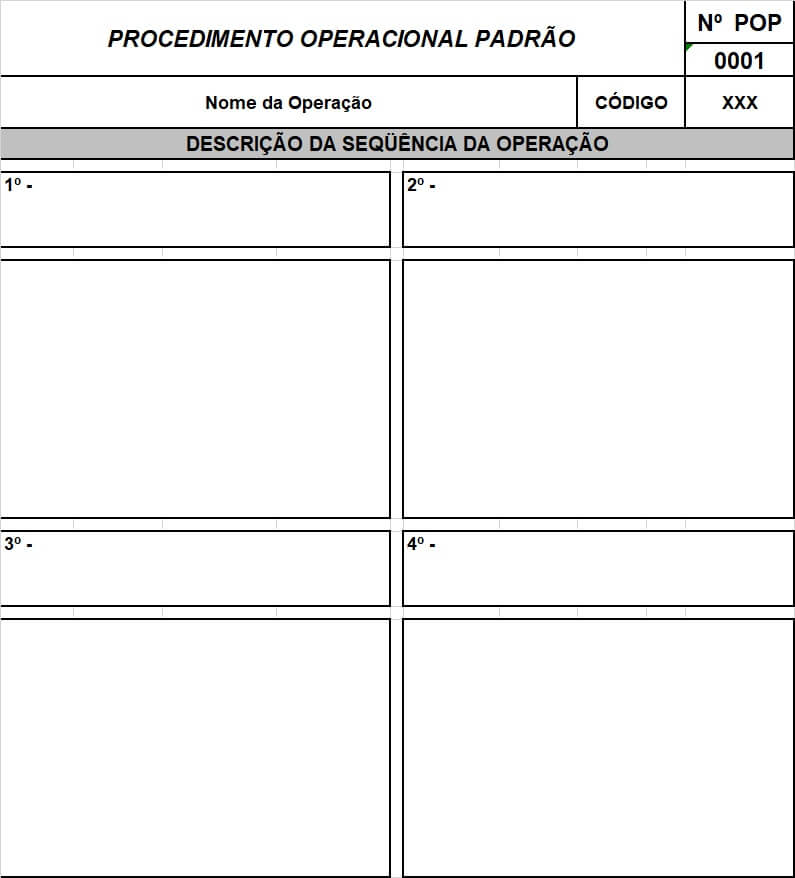
In today’s business environment, efficiency, accuracy, and consistency are more important than ever. Companies cannot rely solely on personal experience, memory, or informal methods to get work done. Every task must have clear instructions to ensure that the work is done correctly, safely, and in the same way every time. This is where a protocolo operacional padrao becomes essential. It provides a clear set of rules and steps for completing tasks, which allows employees to work more confidently and consistently. By having a standard process in place, organizations can save time, reduce mistakes, and make sure that every employee understands exactly how to perform their responsibilities. This approach also helps managers monitor processes and make improvements whenever needed, ensuring a reliable and professional operation.
What Is Protocolo Operacional Padrao?
A protocolo operacional is a written set of instructions that guides employees on how to perform a specific task or process correctly. These instructions include a clear explanation of each step, who is responsible for each action, what tools or resources are needed, and the expected outcome. Essentially, it is like a roadmap that anyone can follow to complete a task without confusion. This protocol is widely used across various industries such as healthcare, manufacturing, food services, logistics, and corporate offices. Its primary purpose is to make work more predictable and to ensure that results are consistent across different employees, departments, or locations. Without a standard protocol, tasks can be performed in different ways by different people, which may result in mistakes, delays, or unsafe practices.
Why Protocolo Operacional Is Important
Without a standardized method for completing tasks, businesses face many challenges that can affect efficiency, safety, and overall performance. Mistakes, accidents, wasted time, and inconsistent results are common in organizations that lack clear procedures. Employees may be unsure about how to do tasks correctly, which can lead to delays and frustration. A protocolo operacional addresses these issues by providing a clear, step-by-step guide for completing each task. When employees follow the protocol, they know exactly what to do, what to avoid, and how to achieve the desired results. This not only reduces mistakes but also improves productivity and strengthens employee confidence. Additionally, having a documented protocol ensures that knowledge is preserved and can be shared with new team members, preventing disruption when experienced employees leave or are unavailable.
Key Elements of an Effective Operacional Padrao
A well-written operacional padrao must be clear, practical, and easy to follow. It should contain all the necessary information to ensure the task is completed correctly. The key elements include:
| Element | Purpose |
|---|---|
| Title and Purpose | Explains what the protocol is for and why it is necessary, helping employees understand the importance of following it |
| Scope | Defines the situations, departments, or processes where the protocol applies, making it clear when to use it |
| Roles and Responsibilities | Assigns tasks to specific people, ensuring accountability and clarity about who does what |
| Required Resources | Lists all tools, equipment, or materials needed to complete the task properly |
| Step-by-Step Procedure | Provides clear, sequential instructions written in simple language to avoid confusion |
| Quality and Safety Guidelines | Includes safety precautions and quality standards to reduce risk and maintain consistency |
| Review and Updates | Ensures the protocol is regularly checked and updated to reflect changes in processes or regulations |
These elements together form a complete and effective protocol that guides employees and supports organizational efficiency.
Benefits of Using Protocolo Operacional Padrao
1. Improves Efficiency
Using a protocolo operacional padrao ensures that employees know exactly what to do and how to do it. This reduces the time spent figuring out steps or correcting mistakes. When everyone follows the same procedure, work can be completed faster, which increases overall efficiency. Additionally, standardized processes reduce redundancy and minimize unnecessary actions, allowing employees to focus on their core responsibilities.
2. Ensures Consistency
Consistency is critical for achieving reliable results in any organization. A protocolo operacional padrao ensures that tasks are performed the same way every time, regardless of who is completing them. This leads to predictable results, higher quality, and increased customer satisfaction. Consistency also makes it easier to monitor performance and identify areas for improvement, as variations in output can be quickly linked to specific process changes rather than individual errors.
3. Reduces Errors and Risks
Mistakes and accidents often happen when employees do not have clear instructions or when tasks are done differently each time. Organizations reduce the likelihood of errors and increase workplace safety. Clear steps and rules prevent employees from skipping critical actions or taking shortcuts that could lead to accidents or failures. Risk management becomes simpler, and compliance with industry regulations is easier to maintain.
4. Simplifies Training
New employees can learn tasks more quickly when they have a written guide to follow. A acts as a training tool that helps staff understand the process without relying solely on verbal instructions or shadowing experienced colleagues. Training becomes faster, more structured, and more effective, reducing the time and cost required to bring new employees up to speed.
5. Retains Knowledge
Knowledge retention is another significant advantage of using a protocolo operacional padrao. When processes are documented, companies preserve their operational knowledge even when key employees leave. This ensures that critical tasks can continue without disruption, and valuable insights remain accessible to the entire organization.
Different Industries
The use of protocolo operacional padrao is widespread across many sectors. Each industry adapts the protocol to meet its specific needs.
| Industry | How Protocol Is Used | Benefits |
|---|---|---|
| Manufacturing | Machine operation, assembly line procedures, and maintenance tasks | Reduces defects, improves safety, and ensures quality |
| Healthcare | Patient care procedures, hygiene, and documentation | Increases patient safety, reduces errors, and ensures compliance |
| Food & Hospitality | Food preparation, service standards, and hygiene | Maintains consistent service, food safety, and regulatory compliance |
| Corporate Offices | Reporting, billing, document handling, and customer service | Improves efficiency, reduces errors, and organizes workflows |
| Logistics | Shipment processing, storage, and delivery procedures | Reduces delays, errors, and improves operational accuracy |
How to Create a Protocolo Operacional Padrao
-
Identify Critical Tasks – Focus on tasks that occur frequently or carry high risk. These are the tasks that will benefit most from standardization.
-
Collect Input from Experts – Consult employees who perform these tasks daily to gather practical insights and real-world experience.
-
Write Clear Steps – Use simple, short sentences to explain each step. Avoid technical jargon and ensure instructions are easy to understand.
-
Test the Protocol – Implement the protocol in real work situations and make necessary adjustments based on feedback.
-
Train Staff – Conduct formal training sessions so that employees understand and follow the protocol accurately.
-
Review Regularly – Set a schedule to update the protocol whenever processes, tools, or regulations change.
Common Challenges and Solutions
| Challenge | Solution |
|---|---|
| Resistance to change | Involve employees in creating and reviewing the protocol to increase buy-in |
| Outdated instructions | Assign responsibility for reviewing and updating the protocol periodically |
| Overly complex steps | Simplify language, break tasks into smaller steps, and use visual aids if needed |
Digital Protocolo Operacional Padrao
Digital protocols have become increasingly important as companies adopt technology for better management. Digital protocolo operacional padrao allows employees to access instructions on computers, tablets, or mobile devices. Benefits include real-time updates, version control, task tracking, and monitoring compliance. Digital protocols make it easier to maintain accuracy and provide measurable insights into operational performance, helping management make informed decisions.
Summary
A protocolo operacional padrao is a practical and strategic tool for every organization. It standardizes tasks, improves efficiency, reduces errors, enhances safety, and simplifies training. By documenting and following procedures, companies can ensure consistent results, retain knowledge, and support growth over time. This protocol is suitable for businesses of all sizes, industries, and operational complexities. When implemented correctly, becomes a foundation for professional operations, continuous improvement, and long-term success.