


Key Takeaways
- Thoroughly assess the powder properties before choosing a blender to achieve optimal results.
- Select blender types based on specific material needs, desired product consistency, and operational requirements.
- Factor in mixing method, energy efficiency, cleaning, scalability, and facility constraints when making a final decision.
- Consulting with equipment experts streamlines the selection process and helps ensure compliance with industry standards.
Understanding Powder-to-Liquid Blending
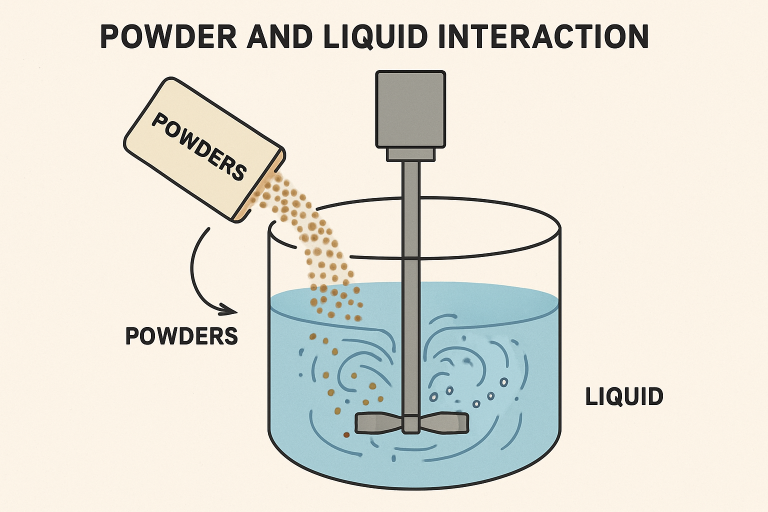
In many industries, such as food manufacturing, pharmaceuticals, and chemicals, creating homogeneous mixtures by incorporating powders into liquids is essential for both quality and consistency. Choosing the best blender not only ensures optimal product results but also drives efficiency, controls waste, and upholds production standards. Whether addressing routine or specialized applications, most facilities find themselves evaluating different industrial blenders to achieve consistent blending outcomes.
Using the wrong blender can result in incomplete mixing, material loss, or even product recalls due to inconsistencies. Proper blending is crucial regardless of batch size or industry regulations, making the selection process a cornerstone of process design and implementation.
Assessing Powder Characteristics
One of the first steps in making an informed blending decision is analyzing the powders in use. Powders vary in properties such as particle size, density, flowability, solubility, and hygroscopicity, all of which heavily influence blending efficiency. Materials that are fine or cohesive can form clumps or resist even suspension, while free-flowing powders often disperse with ease. Understanding these powder characteristics ensures that you choose technology that can handle your unique formulation challenges, reduce downtime, and achieve the desired consistency in your end product.
Consulting articles from larger resources, such as Food Processing, provides additional perspective on how assessing powder traits drives more effective blending outcomes in food production environments.
Types of Blenders for Powder-to-Liquid Mixing
With powders evaluated, the next focus is on matching material properties to an appropriate blender type. Some of the most common technologies include:
- Ribbon Blenders:Featuring helical ribbons that gently move ingredients, these are ideal for free-flowing powders and bulk commodities such as spice blends or premixes in baking. Their lower shear helps preserve delicate constituents.
- Paddle Blenders:Designed for granulated or mixed-size particles, paddle designs deliver gentle, low-shear agitation, protecting fragile ingredients from degradation and minimizing product separation.
- High-Shear Mixers:For processes requiring intense dispersal—such as breaking up powder agglomerates or creating emulsions and suspensions—these mixers introduce high energy and shear forces for optimal dispersion of fine or sticky powders into liquids.
Batch vs. Continuous Mixing
Production needs and throughput targets often dictate whether batch or continuous blending systems are preferable. For facilities with frequent formulation changes or smaller production runs, batch mixing offers flexibility, simple changeovers, and improved control over quality at each stage. However, for high-volume, standardized production, continuous systems offer consistency over long periods, reducing labor input and manual monitoring requirements. Each comes with distinct maintenance, automation, and scaling considerations.
Energy Efficiency and Mixing Time
Operational costs in mixing often stem from energy consumption and cycle times. When selecting equipment, it is crucial to strike a balance between energy efficiency and the ability to disperse powders rapidly. Technologies like conical screw mixers have been noted for low power loads, making them suitable for sustained operations. Meanwhile, high-shear designs may achieve faster results but use more energy. Evaluating the total cost of ownership alongside performance helps prevent budget scheduling surprises and ensures timely production.
According to Chemical Processing, aligning equipment features with both process requirements and utility costs is fundamental to maintaining profitability in powder-processing plants.
Ease of Cleaning and Maintenance
Cleanliness is especially crucial in industries governed by stringent hygiene standards, such as food and pharmaceutical manufacturing. Look for blenders with smooth, accessible internals to facilitate regular cleaning and reduce the risk of cross-contamination. Features like Clean-In-Place (CIP) systems can dramatically reduce downtime and operator effort, while also ensuring compliance with regulatory expectations. Easy-maintenance equipment supports a robust quality management system, enhancing process uptime.
Scalability and Space Considerations
Growth and diversification may require scaled-up production over time, so it’s essential to choose a blending system that considers both current and future capacity. Additionally, the physical footprint of equipment can impact installation feasibility, especially in older or space-constrained facilities. Vertical mixers save floor space, while horizontal options might accommodate larger batch volumes. Factor in installation and future-proofing when considering a long-term investment.
Consulting with Experts
When technical demands or regulatory pressures are high, collaborating with equipment manufacturers or process engineers yields valuable, customized advice. These experts help match blender designs to material characteristics, output needs, and workflow requirements, ensuring you meet both productivity and compliance goals. They can also help navigate standards such as GMP, FDA, or HACCP, as required by your specific sector.
Final Thoughts
Choosing the right blender for powder-to-liquid processes is a multifaceted process that involves careful material analysis, equipment matching, operational efficiency, and compliance with hygiene protocols. By evaluating powder properties, understanding mixing technologies, projecting future needs, and leveraging the expertise of industry professionals, companies secure efficient blending, consistent production quality, and long-term cost savings.