

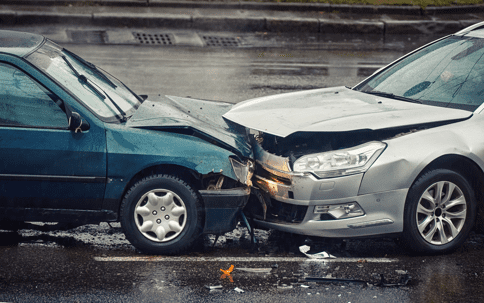
Weather in Wauwatosa changes fast. Wet roads, black ice, and heavy snow all raise your crash risk. You may feel confused after a wreck. You may not know how weather and road conditions change your car accident claim. Insurance companies often point to rain, snow, or fog to shrink or deny payments. They may say no one is at fault. That is not always true. Drivers still must slow down, turn on lights, and keep control. Poor plowing, worn signs, or potholes can also matter. Each detail can change who pays and how much. This blog explains how weather, road design, and driver choices affect fault and compensation. It also explains what to do right after a crash in bad conditions. To learn about your rights and see practical steps you can take today, click here.
How weather changes crash risk in Wauwatosa
Rain, snow, and ice change how your car moves and how you react. You face three main problems.
- Less grip between your tires and the road
- Longer stopping distance
- Lower visibility for you and other drivers
The Federal Highway Administration reports that wet pavement and rain cause many crashes each year. You can see national data on weather and crashes on the FHWA weather and road impacts page. Those numbers show that weather is common. It does not erase fault.
In Wauwatosa, you often face freeze and thaw cycles. Water turns to ice overnight. It then melts and refreezes. That pattern hides black ice under slush or on bridges. You may drive at a safe speed on one block and then hit slick pavement on the next. That shift can raise crash risk. It can also raise disputes about who should have slowed down sooner.
Common dangerous road conditions
Weather is only part of the story. Road conditions can turn bad weather into a threat. Three issues show up often.
- Poor snow and ice removal on streets and at intersections
- Faded lane lines or missing warning signs
- Potholes, uneven patches, and worn shoulders
When streets stay packed with snow, drivers may slide into crosswalks or oncoming lanes. When lane lines fade, you may not see where to stop or which lane is yours. When potholes fill with water, you may swerve and hit another car.
Those details matter for your claim. They can point to a city crew, a contractor, or a property owner who did not clear or maintain the road.
How weather and roads affect fault
Insurance companies often say poor weather caused the crash. They may claim that no one is at fault. That view helps them cut payouts. Wisconsin law still expects drivers to act with care, even in bad weather. You must:
- Reduce speed when roads are wet, snowy, or icy
- Turn on headlights when visibility drops
- Leave more space between cars
- Clear snow and ice from windows and lights
When a driver fails to do these things, that failure can count as fault. Rain, snow, or fog do not give a free pass. Weather may explain why a crash happened. It does not erase unsafe choices.
Road conditions can also shift fault. A missing stop sign or deep pothole may point to a road owner. A claim may involve both another driver and a public entity. That mix can make your claim more complex. It also can open more than one source of payment.
Examples of weather and fault
| Condition | Unsafe driver action | Possible fault outcome
|
|---|---|---|
| Heavy rain | Driving at the speed limit with worn tires | Driver may share fault for not slowing and not maintaining tires |
| Snow packed street | Tailgating in rush hour | Rear driver often bears most fault for not leaving space |
| Black ice on bridge | No headlights at dusk | Driver may bear fault for low visibility and lack of control |
| Pothole filled with water | Swerving sharply into next lane | Shared fault between driver and road owner, based on facts |
| Fog near an intersection | Speeding through yellow light | Driver likely bears strong fault for risky choice |
What you should do after a bad weather crash
Your steps after a crash can shape your claim. Try to focus on three main tasks.
1. Protect safety and call for help
- Move to a safe spot if you can
- Call 911 and report any pain or bleeding
- Turn on hazard lights so others can see you
Emergency workers will document the scene. Their notes can support your claim.
2. Capture weather and road details
Evidence of weather and road conditions fades fast. You can help your claim by recording what you see.
- Take photos of the road, sky, and any snow or ice
- Show skid marks, standing water, or slush piles
- Record broken signs, dark streetlights, or blocked drains
- Ask witnesses for contact details
Later, you or your representative may match your photos to weather data from the National Weather Service. You can see past weather records on the NOAA climate data page. That information supports your memory of road and sky conditions.
3. Get medical care and keep records
- See a doctor as soon as you can
- Explain that the crash caused your pain
- Follow the care plan and attend follow up visits
- Save bills, receipts, and time off records
These records connect your injuries to the crash. They also show the cost of those injuries.
How weather can affect claim value
Weather and road conditions can change the strength of your claim in three ways.
- They can support your case if the other driver ignored clear risks
- They can reduce your share of fault if the road was unsafe
- They can give insurers a reason to fight your claim
If an insurer claims that no one is at fault, detailed evidence becomes even more important. Photos, weather reports, medical records, and witness notes all help. They paint a clear picture of what happened and why.
Protecting yourself and your family
You cannot control Wauwatosa weather. You can control how you prepare and how you respond after a crash.
- Slow down when roads look wet, snowy, or icy
- Check tire tread and pressure often
- Use headlights in rain, snow, and low light
- Leave extra time so you do not rush
If a crash still happens, you do not need to face the claim alone. Careful steps and clear records can protect your rights. They can also bring some peace to a hard moment for you and your family.