
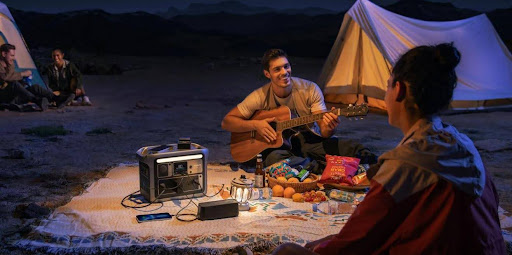
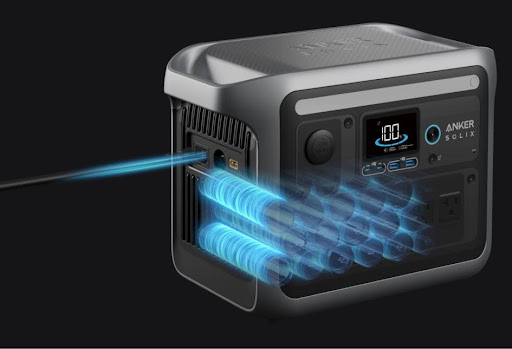
Camping with a solar generator offers a sustainable way to power your devices while enjoying the beauty of the outdoors. A portable solar generator like the Anker SOLIX C1000, which features up to 600W Fast Solar Recharging and can fully charge in just 1.8 hours, is ideal for these trips. Mastering the use of solar power ensures a seamless camping experience. From setup at the campsite to the effective management of energy resources, this guide equips you with essential tips. Understand the nuances of solar generator usage to make your outdoor adventures both enjoyable and environmentally friendly.
Setting Up Your Solar Generator at the Campsite
Efficient setup of your solar generator is crucial for a successful camping trip. First, identify an area with unobstructed sunlight to maximize energy absorption for the solar panels. This initial arrangement allows you to harness the solar capabilities fully.
Position Solar Panels for Best Sunlight
Positioning your solar panels correctly is key to optimizing energy collection. Start by finding a spot that receives direct sunlight for the majority of the day. Usually, south-facing positions work best in the northern hemisphere. Adjust the angle of the panels to match the sun’s trajectory, which changes throughout the day. Moving the panels slightly as the sun moves ensures a continuous power supply. Checking for shadows from nearby objects like trees or tents is essential; even a small shadow can significantly reduce efficiency. A solar generator, such as the Anker SOLIX C1000, works best with ample sunlight, given its rapid recharging capability of just 1.8 hours in optimal conditions.
Check All Connections and Safety
Ensuring safety and effectiveness starts with checking all connections. Begin by connecting the solar panels to the generator, confirming that cables are secure and free of frays or damage. Examine the connector quality regularly to prevent any potential issues. Be vigilant of the energy input and output display on your generator to monitor performance. Ensure your campsite setup is safe by keeping the setup area free from potential hazards such as water sources or fire pits. A reliable system is important for peace of mind during your outdoor stay, ensuring that power is consistent and safe.
Power Management Tips While Camping
Managing your power effectively minimizes energy wastage. Strategic planning will keep your devices powered throughout your trip.
Prioritize Essential Devices
Identify your essential devices before powering up the generator. Items like lights, communication devices, and medical equipment take precedence over non-essential gadgets. Begin by powering necessary items early in the evening, allowing eco-friendly energy use. The Anker SOLIX C1000, with its significant output capacity, can handle multiple devices if managed carefully. Implement a rotating charging schedule for less critical devices, ensuring that the main devices always have ample power. This focused approach will extend power availability without sacrificing device functionality throughout your camping experience.
Charge During Peak Sun Hours
Utilize peak sun hours to charge your solar generator efficiently. Typically, solar panels perform best between 10 a.m. and 4 p.m., when sunlight is intense and direct. During this window, schedule as much charging as possible. This approach ensures your generator, such as the Anker SOLIX C1000, remains optimally charged, ready to handle the evening’s energy demands. Prioritize charging energy-hungry devices like laptops or portable coolers during this time. Monitoring energy levels allows you to adjust as needed, ensuring you maximize the benefits of fast solar recharging capabilities.
Safety and Outdoor Use Practices
Safety procedures enhance both the lifespan and reliability of your solar generator.
Keep Units Dry and Stable
Start by placing your solar power generators on a stable surface to prevent tipping. Keeping the unit dry is essential to avoid electrical malfunctions. If rain is in the forecast, cover the generator with a waterproof tarp, allowing ventilation to prevent overheating. Even when it’s not raining, early morning dew can be detrimental if the device isn’t shielded. Regularly inspect the surrounding area for stability risks, like shifting ground or strong winds, which can impact the stability of both the generator and solar panels.
Avoid Overloading and Weather Risks
To avoid potential risks, do not exceed the generator’s load capacity. Refer to your Anker SOLIX C1000’s manual for guidance, ensuring connections do not overload the system. Distribute the electrical load evenly, minimizing strain on any single outlet. Proactively manage exposure to severe weather conditions, moving the generator indoors during storms to prevent damage. It’s crucial to monitor weather forecasts during camping trips, allowing you to anticipate and mitigate risks, keeping your power source safe and operational.
Conclusion
Using a solar generator like the Anker SOLIX C1000 offers an excellent solution for off-grid power during camping trips. Optimizing your setup with strategic positioning, proper connections, and thoughtful device management ensures efficient energy use. Prioritize essential devices and exploit peak sunlight to maintain power reliability. Safety measures, such as keeping units dry and avoiding overloads, protect both your generator and devices. With these strategies, your outdoor adventures become more sustainable and enjoyable, blending modern technology with the serenity of nature.