

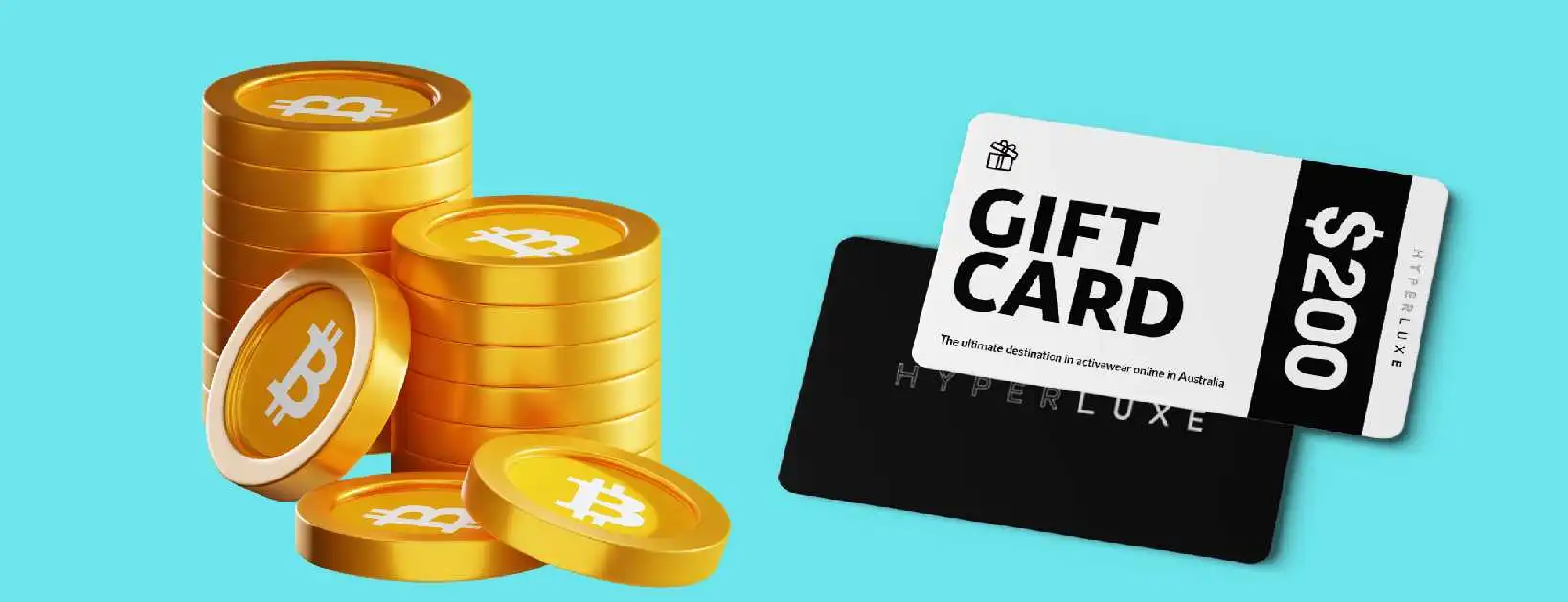
Gift cards have become one of the most popular financial products in the world, with global sales running into the hundreds of billions annually. They are given at birthdays, holidays, corporate events, and as loyalty rewards. For companies, they are powerful tools that generate immediate revenue. For consumers, they offer choice — but with limits.
The growth of secondary markets shows that more and more people choose to sell gift cards instead of keeping them. Behind this simple act lies a significant financial story: how ordinary people are finding ways to optimize value, avoid waste, and create liquidity in an era of rising costs and digital innovation.
The Financial Nature of Gift Cards
Although wrapped in festive envelopes, gift cards function like financial instruments:
- Prepaid notes: They represent stored value before goods are purchased.
- Restricted money: They can only be used in specific ecosystems.
- High breakage rates: A significant portion goes unspent, effectively subsidizing companies.
From the consumer’s perspective, the gift card is both opportunity and constraint. Resale emerges as a way to remove the constraint while keeping the opportunity.
Why Selling Is Growing
Several forces explain the rise in resale:
- Cost-of-Living Pressures
Households under financial strain cannot afford idle resources. Selling provides instant liquidity. - Consumer Psychology
Younger generations view cards as assets, not sentimental tokens. They are quick to convert when value doesn’t align with their needs. - Digital Infrastructure
Safe, instant platforms for resale reduce risk and make selling more attractive. - Cross-Border Transfers
Migrants use digital codes as remittance tools, which recipients then sell locally. - Investment Thinking
Some treat gift cards like small-scale assets, flipping them for modest gains.
Use Cases in Daily Life
- The Family Household
Multiple cards from holidays are sold and consolidated into one lump sum that covers utility bills. - The Remote Worker
Paid partly in prepaid balances, she sells them to cover rent without needing a bank transfer. - The University Student
Scattered balances across brands are sold for a single payout that buys textbooks. - The Entrepreneur
Traders buy discounted cards in bulk and resell them, creating informal businesses.
Each story demonstrates how resale translates locked value into practical liquidity.
Risks and Limitations
Despite its benefits, resale carries challenges:
- Discounted Value: Liquidity often comes at the cost of a reduced payout.
- Fraud Exposure: Invalid or stolen codes remain a risk in less-regulated channels.
- Market Variability: Popular global brands sell quickly, while niche ones lag.
- Perception: Some still consider selling as ungrateful, though this stigma is declining.
Understanding these trade-offs helps explain why resale is both necessary and evolving.
Global Trends
The act of selling looks different around the world:
- North America: Convenience-driven, with mature resale platforms.
- Europe: Oversight from regulators ensures transparency, but demand remains high.
- Asia: Mobile-first ecosystems integrate resale into super-apps.
- Africa: Cards often substitute for banking, with resale essential to survival.
- Latin America: Inflation drives quick liquidation to preserve value.
This global spread shows that resale is not a marginal practice but a mainstream one, adapted to local needs.
The Bigger Financial Picture
At scale, resale serves as a recycling mechanism for trapped capital. Instead of billions lost to breakage, selling reintroduces money into the economy:
- For households, it improves liquidity and financial resilience.
- For communities, it channels funds into essentials like food and transport.
- For economies, it reduces inefficiencies by ensuring value isn’t lost.
The decision to sell gift cards therefore mirrors broader financial principles: liquidity, efficiency, and optimization.
What the Future Holds
Several developments will define the next decade of resale:
- Universal Multi-Brand Cards: Making resale seamless across ecosystems.
- AI-Driven Wallets: Automated reminders prompting liquidation of unused balances.
- Integration with Digital Assets: Converting cards directly into stablecoins or crypto.
- Formalized Remittance Systems: Turning resale into a recognized tool for cross-border finance.
- Cultural Normalization: Selling as an expected behavior, no longer a question of etiquette.
The trajectory points toward one conclusion: resale will become a built-in feature of financial life.
Conclusion
Gift cards may arrive as presents, but they function like money — money that can become wasted if not unlocked. Selling them ensures value continues to move, aligning with a world that prizes liquidity and efficiency.
To sell gift cards is not to dismiss generosity but to respect value. It is a strategy for households under pressure, students on tight budgets, families across borders, and consumers everywhere seeking to make the most of what they have.
In 2025, resale is more than a consumer choice. It is a financial behavior, a cultural signal, and a practical adaptation to the realities of modern life.