

Creativity is sometimes mysterious; a thought comes to you, a relationship is made that is not expected, or you get yourself into a new way of thinking at the most unexplained moment. Although the reasons behind creative thinking are numerous, scent is amongst the strongest forces without much noise. The sense of smell has direct linkages to the emotional and memory centres of the brain, and it influences the mood, perception, and imagination more than we know. With the increasing number of studies on the area of sensory environment, the relationship between creative surges and olfactory stimulation is becoming more evident.
The Question of How Scent Gets to the Creative Brain
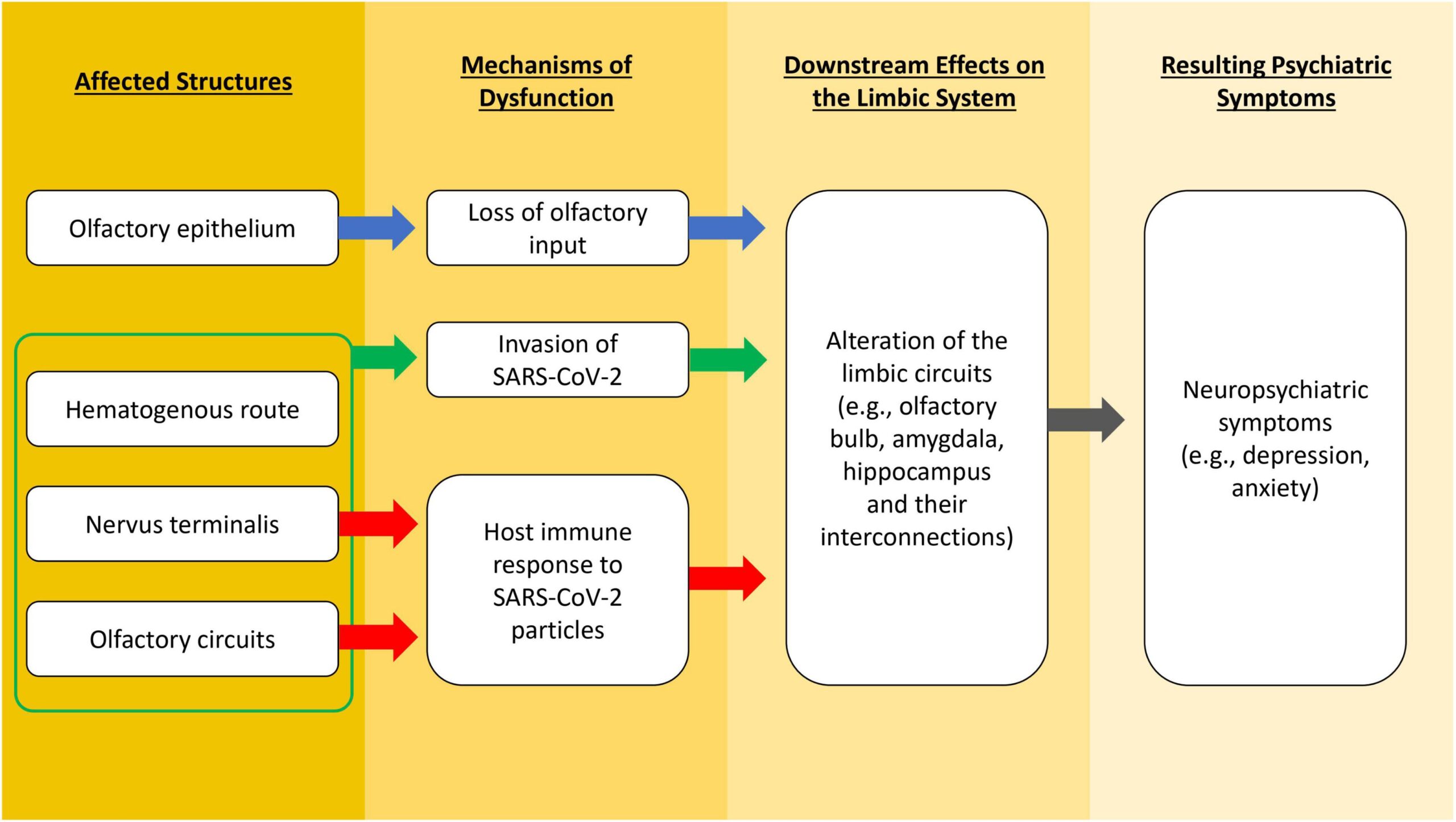
The scent does not travel to the brain via an indirect neural pathway, as is the case with sight or sound. The olfactory bulb, which processes aroma molecules, is located near the regions of the brain that are in charge of memory and emotion. It is such a personal relationship that makes a single smell bring back a clear memory or change your state in a second.
The Limbic System and Idea Formation
The limbic system is core to creativity in that it affects emotion-driven thinking and intuition. The ability of this system to relax mind tension and allow new ideas to emerge when this system is activated by scent can be beneficial. Smells that are conducive to either a feeling of relaxation or energy tend to get the mind out of the rut of repeating thoughts and into a freer, more creative mode of thought.
Aroma is commonly used by people who are in creative professions, such as writers, designers, and artists. Some of these aromatherapy oils are recognized to add clarity or a cheerful feeling of existence. As an illustration, whenever you need a reputable supplier of essential oils, you can visit Young Living, which is well known to make pure and carefully distilled oils.
Imagination and Stimuli of Smell
The mind needs to be relaxed and stimulated to promote creativity. The use of scent is special since it can engage the imagination without any attention. You do not need to look at it, listen to it, or touch it; your brain is taking the aroma back to your brain as you think of other things.
Why Scent Sparks New Perspectives
Scent can:
- Stir emotions that reconnect you with forgotten memories
- Add an atmospheric shift that encourages daydreaming
- Interrupt mental blocks by gently altering your sensory environment
An example of this is the citrus notes, which are said to be uplifting, and this means that the brain gets to open up. A wooden or earthy smell may provide the grounding effect that enables ideas to form with increased concentration. Floral scents can be a stimulus to think or imagine.
These sensory stimulations help in the formation of a mental environment that is conducive to creativity, where ideas become feeler and freer and more in touch with the hunch.
Smell-Powered Ceremonies that lead to Innovation
Odiferous rites of passage may serve as creative stimuli. A diffuser lit in the presence of a brainstorming session, a preferred aroma mixed in the presence of writing, or linking a particular smell with entering a deep-focus mode are used to train the brain to go into a creative state of thinking more readily.
Consistency matters. When there is repeated use of the same scent on occasions when inspiration takes place, the brain begins to associate the aroma with creative production. Gradually, the smell is activated as a reminder to the mind to open and explore and create something new.
Aromas and the Flow State
The optimal state is the flow state wherein the creative process is smooth and not interrupted. Scent has proven useful to many individuals as a way to get into this state, and it helps in eliminating distractions and ensuring that the mind remains in a relaxed, alert state. It is not about coercing creativity; it is about providing an environment in which creativity is encouraged.
Even some creative individuals will create scent playlists, changing perfumes depending on the kind of work they are engaging in, whether brainstorming new ideas or polishing the previously developed ones.
Conclusion
The benefit of olfactory stimulation is much greater than the simple addition of a pleasant aroma to a room. It influences mood, memory, and imagination in a very small but profound manner. Combined with deliberate creative practices, smell can be used to generate new thoughts, increase concentration, and aid in the creative thought process.
To the people who are interested in establishing this relationship with pure and mindfully sourced essential oils, Young Living has aromatic products that can inspire your next breakthrough and fill your creative space.