

Have you ever stopped to think about how your teeth help you speak? An Idaho Falls dentist could tell you that teeth do far more than help you chew or look good in photos, they actually shape the words you say every day. Speech and dental health are closely linked in ways most people never notice until something changes.
What The Dentist Sees
An Idaho Falls dentist often sees patients surprised by how missing teeth, worn enamel, or even small shifts in bite can make talking harder. Certain sounds in English depend on the tongue pressing or brushing against the teeth. Sounds like “s,” “t,” “th,” and “f” wouldn’t come out clearly without your teeth guiding the airflow and giving your tongue a place to land. When teeth are lost or out of place, words can suddenly sound slurred, muffled, or even produce a whistle.
Children show this most clearly when they lose their baby teeth. Many kids get a slight lisp or change in pronunciation while waiting for adult teeth to come in. For adults, losing a tooth or dealing with shifting teeth can have the same effect, but adults often feel embarrassed or anxious about it. Some might even start speaking less to avoid drawing attention to their smile.
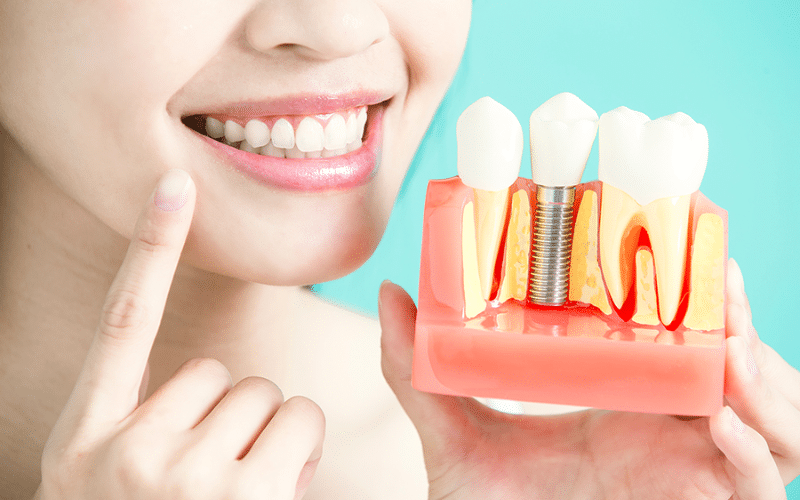
Dentists see firsthand how restoring teeth changes not just the smile, but the confidence behind someone’s words. Adding a crown, bridge, or dental implant can help sounds return to normal and help patients feel comfortable speaking again. It’s not only about filling a gap, it’s about restoring part of someone’s identity and voice.
The Truth Behind Your Teeth
Orthodontic care also plays a part in speech. Braces might cause a temporary lisp as the tongue adjusts, but the long-term benefit often outweighs the short inconvenience. Straight teeth help the tongue and lips move smoothly, which can make words clearer and reduce strain. Correcting an overbite or underbite can even improve breathing and reduce mouth breathing, which affects how you sound.
Teeth do more than shape sounds. They also reflect sound inside the mouth, giving your voice a richer tone. A complete and well-aligned set of teeth can make your voice sound fuller and more balanced. When teeth are missing or badly worn, it can flatten or thin the tone, which people sometimes notice without realizing why.
Another important factor is tongue thrust, where the tongue pushes forward against the teeth during speaking or swallowing. Over time, tongue thrust can move teeth out of place, leading to bite problems and making speech issues worse. Dentists often catch signs of this during checkups and might recommend exercises or orthodontics to help correct it.
People who grind their teeth or clench their jaw, often because of stress, might also notice changes in speech. Grinding can wear teeth down or cause small chips that change how the tongue moves around them. A dentist might suggest a night guard to protect teeth and keep speech patterns steady.
Behind the Scenes
Beyond all these details, the emotional side matters too. Feeling confident about your teeth makes it easier to speak up in meetings, laugh freely with friends, or read a bedtime story without worrying about how you sound. Speech connects us to others, and healthy teeth support that connection every day.
The next time you visit your dentist, remember they’re not just checking for cavities. They’re making sure your teeth can keep doing everything they quietly do behind the scenes: chewing, supporting your facial structure, and helping you share your thoughts clearly with the world.
A healthy mouth is part of a healthy voice. Keeping teeth clean, straight, and strong helps you communicate confidently in every conversation, joke, or heartfelt moment you share.