

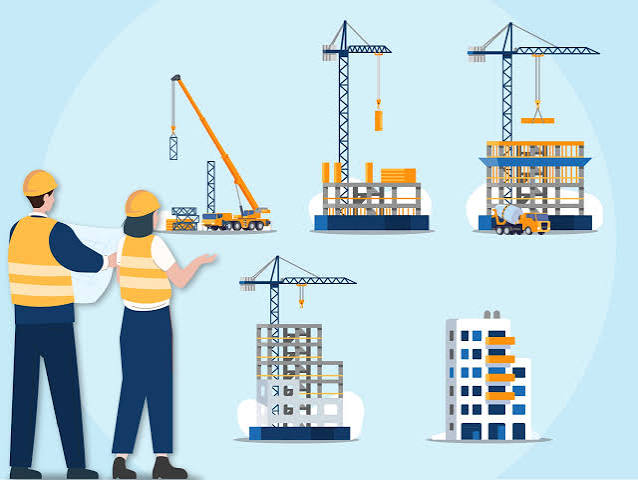
When people think about construction, they often picture excavators, concrete trucks, and workers on site. In reality, a significant amount of work happens long before the first foundation is poured. Careful planning and site preparation lay the groundwork for a successful project and help avoid costly delays once construction is underway.
Every site presents its own challenges, from soil conditions to underground services and access constraints. Early investigations and preparation, including techniques such as auger drilling to assess ground conditions or create foundation holes where appropriate, provide valuable information that helps engineers and builders make informed decisions before major works begin.
Understanding what happens during this early stage highlights why preparation is just as important as the construction itself.
Site Assessments Come First
Before any building work starts, the site must be carefully evaluated.
Professionals typically assess factors such as:
- Land size and boundaries
- Existing structures
- Ground levels
- Drainage
- Site access
- Surrounding properties
These assessments help identify potential challenges that could affect the project timeline or budget.
Understanding the Ground Beneath the Surface
What lies below ground is often just as important as what will eventually be built above it.
Different soil types have different load-bearing capacities, drainage characteristics, and stability. Engineers use this information to determine the most suitable foundation design and ensure the completed structure will remain safe and stable over time.
Identifying poor soil conditions early allows suitable solutions to be incorporated into the design before construction begins.
Locating Underground Services
Construction teams also need to know what already exists beneath the site.
Underground infrastructure may include:
- Water pipes
- Sewer lines
- Gas services
- Electrical cables
- Telecommunications infrastructure
Accidentally damaging these services can create safety hazards, expensive repairs, and lengthy project delays.
Accurate service location helps minimise these risks.
Planning Site Access
Even a well-designed project can face difficulties if machinery and materials cannot reach the work area efficiently.
Construction teams consider:
- Vehicle access
- Equipment requirements
- Material storage
- Delivery schedules
- Traffic management if required
Good planning keeps the project moving smoothly once work begins.
Obtaining Necessary Approvals
Most construction projects require approvals before work can legally commence.
Depending on the project, this may involve planning permissions, engineering certifications, environmental assessments, or building permits.
Although paperwork may seem time-consuming, these approvals help ensure the project complies with relevant regulations and safety standards.
Preparing the Site
Once planning is complete, physical site preparation can begin.
This may include:
- Clearing vegetation
- Removing debris
- Demolishing existing structures
- Levelling the ground
- Installing temporary fencing
- Establishing site facilities
Preparing the site creates a safer and more efficient environment for construction crews.
Good Preparation Reduces Future Problems
Many of the most expensive construction issues can be traced back to problems that were overlooked before work started.
Thorough planning helps reduce the likelihood of:
- Unexpected ground conditions
- Design changes
- Construction delays
- Budget overruns
- Safety concerns
Investing time upfront often saves significant time and money throughout the remainder of the project.
Every Successful Project Starts Long Before the Build
Construction may appear to begin when heavy machinery arrives, but the real work starts much earlier. Site investigations, engineering assessments, planning approvals, utility checks, and careful preparation all contribute to a smoother building process and a more reliable final result.
By understanding what happens before construction officially begins, property owners gain a greater appreciation for the planning involved behind every successful project. While these early stages may be less visible than the construction itself, they play a vital role in helping projects stay safe, efficient, and on schedule from the very beginning.




