

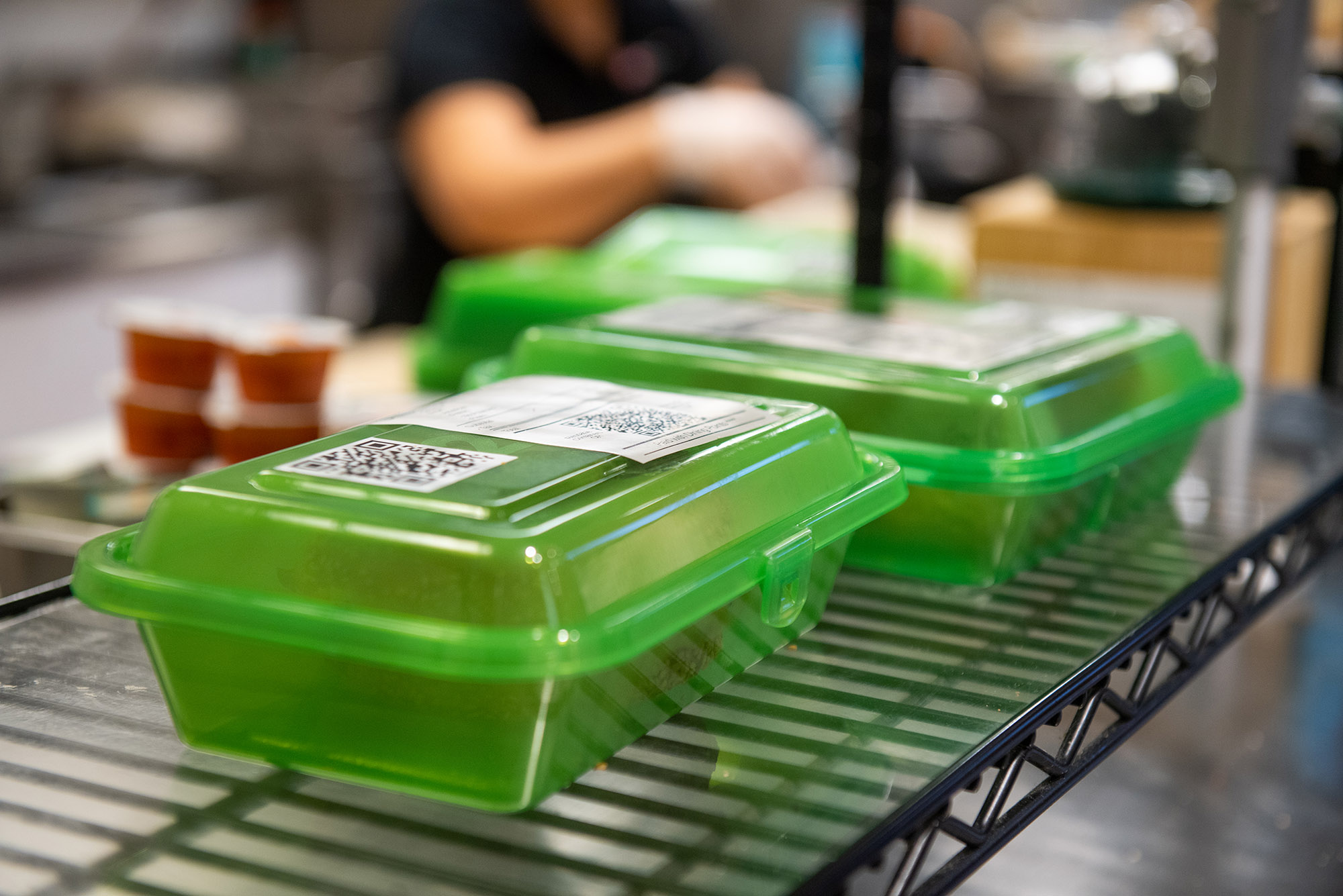
As the global community becomes increasingly conscious of environmental impacts, the demand for food service containers that are both innovative and sustainable is growing. These containers are essential in reducing waste and conserving resources, offering a greener alternative to traditional packaging options used widely in the industry.
The Need for Sustainable Packaging
The food service industry, a significant contributor to landfill waste, is under pressure to rethink its packaging strategies. Traditional packaging, often made from plastics and non-renewable materials, poses severe environmental threats. Switching to biodegradable and compostable materials can dramatically diminish this impact, helping companies meet their sustainability goals while satisfying environmentally aware consumers.
Materials Revolutionising Food Service Containers
Recent advancements have introduced a variety of materials that are changing the landscape of food service containers. One such innovation is the use of polylactic acid (PLA), a plant-based material that biodegrades under industrial composting conditions. Moreover, bagasse, made from sugarcane fibre, and other plant-based fibers are gaining popularity due to their compostability and robust performance under various conditions.
Polylactic Acid (PLA)
PLA is derived from renewable resources, such as corn starch or sugarcane, offering a sustainable alternative to petrochemical-derived plastics. Products made from PLA retain similar qualities to traditional plastics, including transparency and durability, but with the added benefit of being compostable under the right conditions.
Bagasse
Bagasse, a by-product of sugarcane processing, is being turned into an exceptional material for food service containers. It is not only compostable but also highly resistant to heat, making it ideal for hot foods and liquids. These qualities make bagasse an appealing choice for a wide variety of food service applications.
The Role of Innovation in Reducing Environmental Impact
Innovation plays a crucial role in enhancing the sustainability of food service containers. Companies are continually researching ways to create more efficient production processes and more sustainable materials. These efforts result in containers that use less energy to produce and are easier to dispose of, thus reducing the overall carbon footprint.
Reusability and Recycling
Beyond biodegradable materials, there is also a significant focus on making containers that are reusable and recyclable. This strategy not only reduces waste but also encourages consumers to adopt more sustainable habits. For example, some companies are now offering refillable packaging solutions which can significantly cut down packaging waste.
Consumer Influence on Packaging Trends
Consumers are increasingly driving demand for sustainable packaging, influencing companies to adopt greener practices. As awareness of packaging waste grows, so does the pressure on the food service industry to provide solutions that align with these values.
Educational Influence
Education plays a vital role in shifting consumer habits towards more sustainable choices. By providing transparency about the life cycle of packaging products, companies can help consumers make better-informed decisions, thereby supporting the move towards sustainable packaging practices.
The Future of Food Service Containers
The future of food service containers looks promising, with continuous improvements being made in both sustainability and functionality. As technology advances, the affordability and availability of environmentally friendly options are set to increase, paving the way for widespread adoption.
Integration of Smart Technologies
Smart technologies are also being integrated into food service packaging to enhance convenience and sustainability. These smart packaging solutions can help maintain food quality, ensure safety, and provide valuable data insights to both retailers and consumers.
Legislative Support
Governments worldwide are beginning to implement legislation that supports the use of sustainable packaging, providing financial incentives and setting guidelines for manufacturers. This regulatory framework is crucial in driving changes at an industry-wide level, making sustainable food service containers not just a preference but a requirement.
Conclusion
In conclusion, the shift towards innovative and sustainable food service containers is both a necessity and an opportunity. As companies strive to meet the expectations of environmentally conscious consumers, embracing new materials and technologies can significantly reduce environmental impact while ensuring compliance with emerging regulations. By investing in sustainable packaging solutions, the food service industry can contribute to a healthier planet, fostering a future where sustainability is at the forefront of food service packaging practices.