
When embarking on an eco-friendly construction project, selecting a sustainable roof cladding company is a critical decision that significantly influences the building’s environmental impact. Sustainable roof cladding not only enhances the aesthetic appeal of your building but also improves energy efficiency and reduces carbon footprint.
Understanding Sustainable Roof Cladding
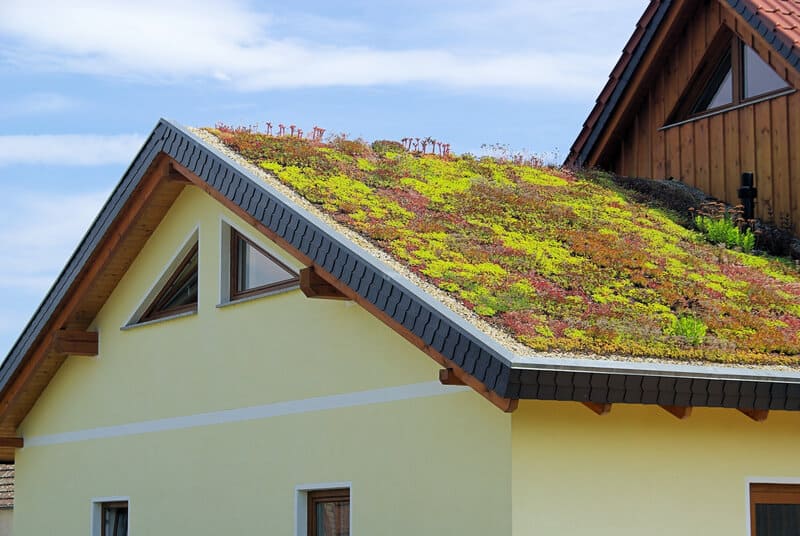
Sustainable roof cladding involves the use of materials that have a lower environmental impact over their lifecycle. These materials are often locally sourced, recyclable, and produced using environmentally friendly methods. They play a crucial role in the thermal performance of a building, aiding in temperature regulation and reducing heating and cooling demands.
Benefits of Sustainable Roof Cladding
The primary benefit of sustainable roof cladding is its contribution to energy efficiency, which helps lower utility bills. Moreover, these materials typically have a longer lifespan, reducing the frequency of replacements and repairs. Their eco-friendly nature supports the reduction of the overall carbon footprint of the building.
Long-Term Financial Savings
Though the initial investment in sustainable materials may be higher, the long-term financial savings are substantial. Reduced energy consumption leads to significant cost savings over time, making sustainable roof cladding a financially viable option.
Environmental Impact
Choosing sustainable options supports global efforts to combat climate change. By reducing reliance on fossil fuels and lowering greenhouse gas emissions, these materials contribute to a healthier planet.
Factors to Consider When Selecting a Sustainable Roof Cladding Company
Several factors need consideration when selecting a sustainable roof cladding company. These include the company’s reputation, the variety and quality of materials offered, and their commitment to sustainability practices.
Reputation and Experience
It is essential to choose a company with proven experience and expertise in sustainable cladding solutions. This ensures reliable service and quality installation, crucial for achieving the desired environmental benefits.
Range of Materials
A reputable company should offer a diverse selection of sustainable materials, allowing you to choose the most suitable option for your building project. Additionally, they should provide detailed information about the source and durability of these materials.
Commitment to Sustainability
Evaluate the company’s overall commitment to sustainability. This can be assessed by their certifications, adherence to green building standards, and participation in environmental initiatives.
Evaluating Cost-Effectiveness
While sustainability is a priority, cost-effectiveness remains a key factor in decision making. Compare the costs associated with different companies, taking into account not only the price of materials but also any additional services offered, such as maintenance and warranties.
Maintenance and Support Services
A reliable sustainable roof cladding company will offer comprehensive maintenance and support services. These services will ensure the longevity and effectiveness of the roofing, providing peace of mind to building owners.
Warranty Offerings
Ensure that the company provides warranties for their products and services. This guarantees that any future defects or issues will be covered, minimizing potential additional costs.
Customer Reviews and Testimonials
Researching customer reviews and testimonials gives insight into other clients’ experiences with the company. Positive feedback and recommendations often indicate satisfactory service and product quality.
The Future of Sustainable Roof Cladding
As sustainability continues to shape the construction industry, the demand for eco-friendly building solutions is expected to rise. Sustainable roof cladding will likely evolve, with innovations enhancing their efficiency and adaptability to different climates.
By carefully selecting a sustainable roof cladding company, organisations and individuals can ensure that their building projects align with contemporary demands for environmental responsibility. This choice not only benefits the planet but also sets a precedent for future construction practices.