

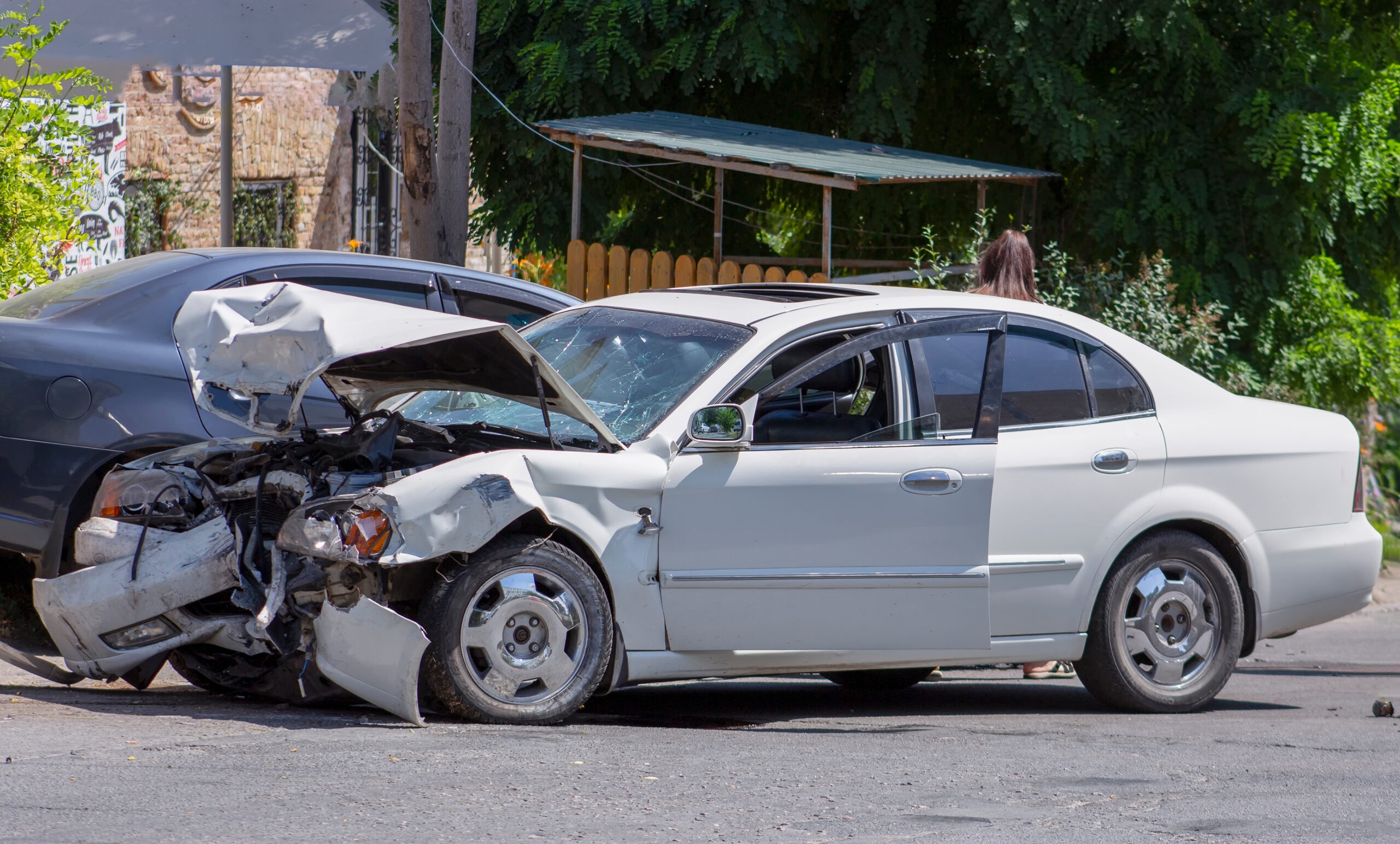
Auto accidents can be stressful, traumatic, and disruptive to daily life. Beyond dealing with injuries and vehicle damage, accident victims often face complex insurance claims, liability disputes, and lengthy legal processes. Traditional litigation for auto accident claims can take months—or even years—to resolve, leaving both parties frustrated and financially strained.
Mediation offers a practical alternative, allowing drivers, insurance companies, and legal representatives to resolve disputes more efficiently and collaboratively. By understanding how mediation works and why it is effective, parties can take meaningful steps toward faster, fairer settlements.
Understanding Mediation in Auto Accident Claims
Mediation is a form of alternative dispute resolution (ADR) in which a neutral third party, a mediator, facilitates discussions between disputing parties. Unlike arbitration or court proceedings, the mediator does not make a binding decision. Instead, the mediator guides communication, identifies common ground, and helps the parties reach a mutually acceptable agreement.
Mediation is especially valuable in auto accident claims because it emphasizes collaboration rather than confrontation. Participants can explore creative solutions, address emotional concerns, and resolve disputes without the adversarial nature of a courtroom.
Benefits of Mediation for Auto Accident Claims
Mediation provides numerous advantages for accident victims, insurers, and attorneys alike:
1. Faster Resolution
Court cases can drag on for months or years due to scheduling conflicts, procedural requirements, and discovery delays. Mediation sessions can be scheduled quickly, often within weeks of filing a claim. This accelerated process helps parties resolve while details are still fresh and before legal costs accumulate.
2. Cost Savings
Litigation is expensive. Attorney fees, court costs, expert witness fees, and other expenses can add up quickly. Mediation is generally far less costly, as it involves fewer formal procedures and less time in preparation. Both plaintiffs and defendants can conserve financial resources while still achieving a fair outcome.
3. Confidentiality
Court proceedings are typically public, which can expose personal or sensitive information. Mediation, by contrast, is confidential. This privacy protects the parties involved and encourages open, honest dialogue during the negotiation process.
4. Control Over the Outcome
In court, a judge or jury makes the final decision. Mediation puts control back in the hands of the parties. Both sides collaborate to create solutions that meet their specific needs, resulting in more satisfactory and creative resolutions than a strictly legal judgment might provide.
5. Preserves Relationships
Auto accidents often involve ongoing interactions between drivers, insurance representatives, or even business partners. Mediation encourages constructive communication, which can reduce hostility and preserve professional or personal relationships.
6. Reduced Stress
Litigation can be intimidating, time-consuming, and emotionally draining. Mediation offers a less formal, supportive environment, allowing parties to voice concerns, understand each other’s perspectives, and work toward resolution in a more manageable, less adversarial setting.
When Mediation Is Most Effective in Auto Accident Claims
Mediation is especially effective under certain circumstances, including:
- Disputed Liability: When parties disagree over who is at fault, mediation can clarify evidence and help them reach a fair compromise.
- Injury or Property Damage Disputes: Mediation is ideal when parties need to agree on compensation for medical bills, lost wages, or vehicle repair costs.
- Insurance Claim Disputes: If an insurer denies a claim or disputes coverage, mediation can help negotiate an acceptable settlement.
- Multiple Parties Involved: Accidents involving multiple drivers or complex insurance policies benefit from mediation’s collaborative process, which can efficiently bring all parties together.
Even cases that might ultimately require litigation can benefit from initial mediation. Attempting to settle early can prevent months of delays and legal expenses.
The Mediation Process for Auto Accident Claims
While every case is unique, the mediation process typically involves the following steps:
- Selection of a Mediator: Parties agree on a neutral mediator, often a professional with experience in auto accident disputes.
- Pre-Mediation Preparation: Each party gathers evidence, including accident reports, medical records, repair estimates, and any relevant documentation. Attorneys may also submit briefs summarizing the key points of the dispute.
- Opening Session: The mediator meets with all parties to explain the process, establish ground rules, and clarify objectives. Each side may present its perspective on the accident and its desired outcomes.
- Joint and Private Sessions: Mediators often conduct joint discussions with all parties and private “caucus” sessions to confidentially explore options and potential compromises.
- Negotiation and Resolution: The mediator helps parties identify mutually acceptable solutions. If an agreement is reached, the terms are documented in a settlement agreement.
- Follow-Up: The settlement is typically binding once signed. If mediation does not result in an agreement, parties retain the right to pursue litigation or arbitration.
Tips for Successful Auto Accident Mediation
To maximize the chances of a successful mediation:
- Be Prepared: Gather all relevant documents, bills, repair estimates, and evidence before the session. Being well-prepared demonstrates seriousness and credibility.
- Stay Open-Minded: Mediation is about finding compromise. Being flexible and willing to consider alternative solutions increases the likelihood of a resolution.
- Communicate Clearly: Speak honestly and respectfully, focusing on facts and realistic outcomes rather than assigning blame.
- Work With Professionals: Experienced mediators provide valuable guidance, ensure fairness, and keep discussions productive.
Common Misconceptions About Mediation
Despite its benefits, some people hesitate to try mediation due to misunderstandings:
- “Mediation Means Losing Control” – In fact, mediation allows parties to retain control over the outcome, unlike court decisions.
- “Mediation Is Only for Minor Disputes” – Mediation is effective for both minor fender-benders and complex multi-party accidents.
- “You Can’t Use Mediation If the Other Party Refuses” – While voluntary participation is ideal, some contracts or insurance policies include mandatory mediation clauses.
Clearing up these misconceptions helps parties approach mediation with realistic expectations and confidence.
Conclusion
Mediation is a valuable tool for resolving auto accident claims efficiently, cost-effectively, and collaboratively. It offers speed, flexibility, confidentiality, and the opportunity for creative solutions that traditional litigation may not provide.
For drivers, insurance companies, and legal professionals in Florida, working with an experienced mediator can make the process smoother and increase the likelihood of a fair settlement. Professional mediation services guide parties through the process, ensuring disputes are resolved in a productive and impartial environment.
By choosing mediation, parties involved in auto accidents can reduce stress, preserve relationships, and achieve faster, more satisfactory resolutions—making it a critical first step toward resolving insurance and liability disputes efficiently.