
Introduction
Painting the exterior of your home is one of the most effective ways to boost curb appeal, protect your property, and enhance its value. But while color and design choices are important, timing plays an equally critical role in achieving a flawless, long-lasting finish. Weather, temperature, and humidity all impact how paint adheres, cures, and ultimately performs. A perfectly chosen color won’t look its best if it’s applied under the wrong conditions.
Understanding when and how to paint your home’s exterior can make the difference between a job that lasts a decade and one that needs touch-ups after just a few years. Professional painters plan around the seasons, selecting materials and schedules that deliver durability and beauty year-round.
At Grandview Painting, each Exterior Painting project is carefully timed and executed for optimal results. Their team considers environmental factors, product quality, and preparation techniques to ensure homes remain vibrant and well-protected for years.
The Importance of Seasonal Timing
How Temperature Impacts Paint Performance
Paint formulas are designed to cure within specific temperature ranges, typically between 50°F and 85°F. Too cold, and the paint won’t bond properly; too hot, and it may dry too quickly, causing cracking or peeling. Professionals monitor weather patterns to schedule work during stable conditions.
Managing Humidity and Moisture
High humidity or rain can interfere with drying and adhesion. Painting on damp surfaces traps moisture beneath the coating, leading to bubbles or mildew. Timing exterior work during dry periods ensures smoother, longer-lasting results.
Seasonal Advantages
Spring and early fall are often considered ideal for Exterior Painting. Moderate temperatures and lower humidity help paint cure evenly and maintain color integrity. Planning ahead ensures availability during these prime painting seasons.
Seasonal awareness ensures both beauty and resilience in your home’s finish.
Preparation: The Foundation of a Durable Paint Job
Cleaning and Surface Prep
Proper surface preparation is the cornerstone of long-lasting results. Pressure washing removes dirt, mildew, and old paint flakes, creating a clean canvas for fresh coatings.
Repairing and Sanding
Damaged siding, cracks, and worn-out caulking are repaired before painting begins. Sanding smooths rough spots, ensuring even application and improved adhesion.
Priming for Perfection
Primers seal porous surfaces and prevent stains or tannins from bleeding through. They also help new paint adhere securely, reducing the need for multiple coats.
Thorough preparation allows the paint to perform at its best, regardless of seasonal conditions.
Choosing the Right Paint for the Season
Paint Formulation
Not all paints are created equal. Modern exterior paints are formulated with resins, binders, and pigments that react differently to temperature and light exposure. Weather-resistant paints with UV-blocking technology prevent fading and cracking.
Climate Considerations
Homes in humid areas benefit from mildew-resistant paints, while those in colder climates require flexible coatings that can expand and contract with temperature shifts.
Low-VOC and Eco-Friendly Options
Many homeowners now choose low-VOC paints for health and environmental reasons. These high-quality formulations perform well even in fluctuating weather conditions.
Selecting season-appropriate products helps ensure your home looks beautiful and remains protected year after year.
The Role of Professional Technique
Precision Application
Professionals apply paint evenly using tools suited for specific surfaces—brushes for trim, rollers for siding, and sprayers for large areas. Even coverage prevents streaking and ensures uniform color tone.
Layering for Strength
Applying multiple thin coats, rather than one thick layer, allows each coat to dry properly. This technique increases durability and prevents blistering or peeling.
Monitoring Drying Times
Experienced painters factor in sunlight exposure, wind, and temperature when determining drying time between coats. Proper timing prevents imperfections and extends the life of the finish.
Technique is as important as timing—together, they define the quality of your Exterior Painting project.
The Science of Paint Curing
Drying vs. Curing
Drying occurs when solvents evaporate, while curing involves chemical bonding between paint components. True curing can take days or even weeks depending on the weather.
The Role of Sunlight
Sunlight helps activate curing but must be balanced carefully. Excessive heat can cause surface drying before deeper layers harden, leading to premature wear.
Protective Barriers
Once cured, exterior paint forms a protective barrier that shields your home from UV rays, moisture, and temperature fluctuations. Properly cured paint resists cracking and fading far longer.
Understanding how paint cures ensures your investment provides years of durability and appeal.
Common Seasonal Challenges and How Professionals Handle Them
Unexpected Rain or Temperature Drops
Weather can change quickly. Professional Dubuque painters track forecasts closely and adapt schedules to avoid moisture or temperature extremes.
Wind and Dust
Strong winds can blow debris into wet paint. Covering nearby surfaces and using protective screens helps maintain a flawless finish.
Prolonged Sun Exposure
Painting under direct sunlight can cause paint to dry unevenly. Professionals work in shaded areas or paint during cooler parts of the day for optimal results.
Experience and adaptability help professionals overcome seasonal challenges effectively.
Enhancing Curb Appeal with the Right Colors
Coordinating with Surroundings
Exterior color should harmonize with your home’s architecture and landscape. Natural tones blend beautifully with greenery, while bold colors highlight modern designs.
Considering Neighborhood Aesthetics
While personal taste matters, consistency within neighborhood color themes helps maintain visual balance and property value.
Using Accents for Character
Contrasting trim or front door colors add personality and dimension, transforming an exterior from simple to stunning.
A professional painter helps you choose colors that enhance beauty and reflect your home’s unique character.
The Long-Term Benefits of Professional Exterior Painting
Protection Against the Elements
High-quality exterior coatings defend your home from rain, snow, and UV rays, extending the life of your siding and trim.
Energy Efficiency
Light-colored paints reflect sunlight, helping maintain cooler interiors in summer and improving energy efficiency.
Increased Home Value
A freshly painted exterior signals quality and care, attracting buyers and boosting resale value.
Professional Exterior Painting provides both aesthetic appeal and structural protection that lasts for years.
Why Hire a Professional Painting Company
Expertise and Efficiency
Professionals combine technical knowledge with specialized tools, ensuring perfect application and minimal disruption to your daily life.
Guaranteed Results
Reputable companies offer warranties that back the quality of materials and workmanship, giving homeowners peace of mind.
Safety and Cleanup
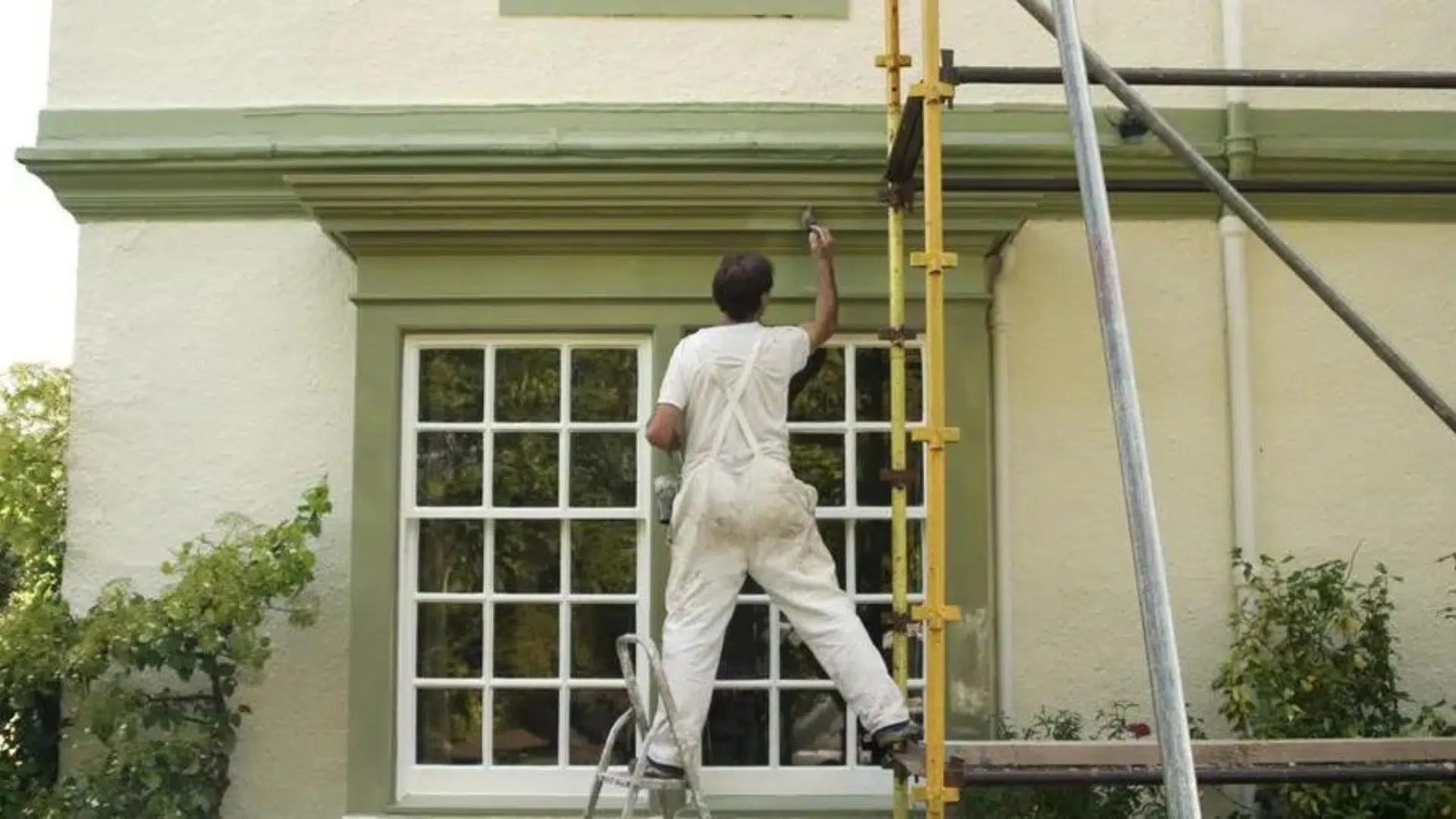
Professionals handle ladders, scaffolding, and hazardous materials safely while ensuring your property remains clean and organized.
Grandview Painting brings professionalism and precision to every Exterior Painting project, ensuring excellence from preparation to completion.
Conclusion
Successful Exterior Painting is as much about timing and preparation as it is about color and creativity. By understanding seasonal conditions and using professional-grade materials, you can protect your home while enhancing its visual appeal.
With years of experience and an eye for detail, Grandview Painting delivers durable, weather-resistant results that stand the test of time. Their expert team ensures each project is executed with care, precision, and pride.
Because your home’s exterior deserves more than just a new coat of paint—it deserves the craftsmanship and quality of Grandview Painting.