

Pest control is an essential, yet frequently neglected, aspect of maintaining a home. Its importance cannot be overstated, as ignoring this critical area can lead to both extensive damage to your property and significant health risks for you and your family. While some homeowners may overlook the necessity for regular pest control, understanding its pivotal role in safeguarding your living environment is imperative for long-term home and health protection.
The Impact of Termites on Home Structures
Termites, often referred to as the “silent destroyers,” are notorious for their ability to inflict considerable damage on a home’s structural integrity without homeowners becoming aware until it’s too late. These insidious insects feast on materials rich in cellulose, which are commonly found in wooden structures throughout homes. As termites tunnel and voraciously consume wood, they progressively undermine the foundation, potentially leading to serious stability issues over time.
Studies have revealed that these persistent pests inflict more destruction on homes across the United States than natural disasters such as fires and floods combined. Astonishingly, termite infestations result in property damage costs that exceed $5 billion annually for homeowners. This data starkly underscores the necessity of maintaining vigilance and implementing routine pest control measures to protect your investment.
Engaging in preventative strategies such as scheduling regular inspections and utilizing termite-resistant materials in construction is essential. Moreover, hiring professional pest control services can help detect potential problems early, thereby preventing costly repairs down the line. These proactive measures not only bolster your home’s defenses against infestations but also enhance its durability and value, contributing significantly to comprehensive home improvement efforts.
Regional Pest Variations and Their Challenges
The type and frequency of pest infestations are largely influenced by regional climate and environmental conditions, which vary across different parts of the United States. As a result, tailored pest control solutions are necessary to address these unique regional challenges effectively. By identifying and understanding the specific pest issues prevalent in their area, homeowners can better prepare and protect their homes.
Data from PestPac illustrates a notable disparity in pest encounters based on geographical location. For instance, residents in the western United States encounter pests at a rate of 44%, with spiders being the most prevalent at 21%. Conversely, the Southeast faces a different set of challenges, experienced through notably high infestation rates of ants (61%), cockroaches (36%), and fleas (32%).
Combatting these region-specific pests requires targeted measures to ensure effective pest control. Implementing appropriate pesticides and adhering to strict exclusion practices can substantially contribute to creating and maintaining a pest-free environment. Customized pest management strategies can dramatically improve living conditions, making pest control an integral component of an efficient and effective home improvement plan.
Health Risks Posed by Rodent Infestations
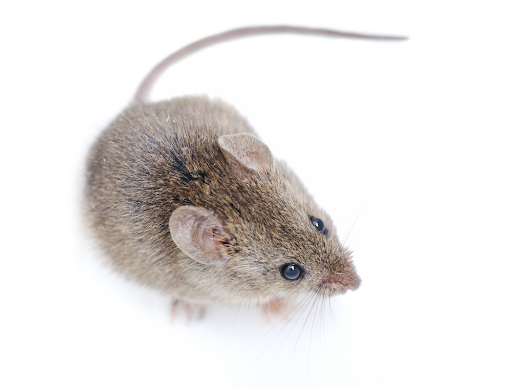
Rodents are more than mere nuisances; their presence poses a direct threat to health and safety within the household. Their infestation not only signals the urgent need for pest control intervention but also indicates potential health risks, primarily due to their role in disease transmission.
According to Pestworld.org, rodents are vectors for over 35 serious diseases, impacting humans either directly or indirectly. These include dangerous conditions such as salmonellosis, hantavirus, and the plague. Transmission of these diseases occurs through contact with rodent droppings, urine, or bites, making it imperative to uphold stringent pest control protocols.
Addressing rodent issues promptly upon detection is critical to halting their spread and mitigating associated health risks. Effective rodent exclusion, sanitation practices, and habitat modification techniques can significantly diminish the likelihood of infestations. Therefore, ensuring a healthy and safe living environment aligns with fundamental home improvement practices, enabling families to live in comfort and safety.
Pest control extends beyond mere eradication of irritating creatures from your living space. It encompasses comprehensive property protection, enhancement of your environment, and ultimate health safeguarding for your family. By integrating regular pest control efforts into your home improvement plans, you ensure that your home remains a safe and secure sanctuary for years to come.