
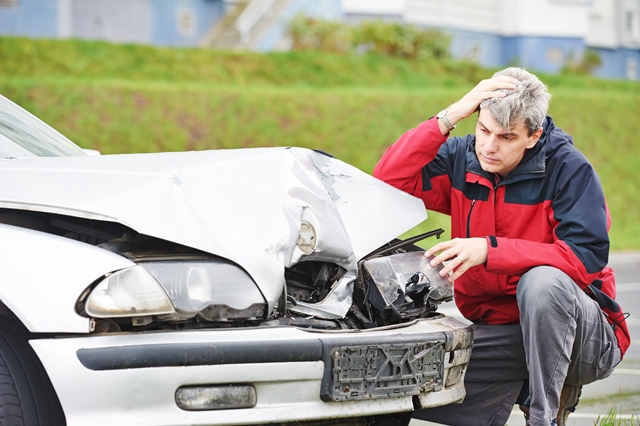
Taillights shrinking in the distance leave a particular kind of helplessness behind. The driver is gone, the damage is real, and nobody has handed over an insurance card. Accident attorneys step into that gap, because recovering money after a hit-and-run takes more than waiting for police to make an arrest.
What Makes a Hit-and-Run Claim Different From a Regular Crash?
Standard claims start with a named driver and a policy to file against. Hit-and-run claims start with neither. Without an identified at-fault party, there is no liability carrier to pay, so the injured person often turns to their own coverage instead. Insurers then treat the claim in an odd way: the company that collects premiums becomes the one deciding how much to pay. That shift changes the tone fast. Adjusters ask for proof that a second vehicle existed at all, and they sometimes suggest the person simply lost control. Skepticism comes built in, which is why records, photos, and witness accounts carry so much weight from the first day.
Which Insurance Coverage Pays When the Driver Disappears?
Uninsured motorist coverage is the main source, since most policies treat an unidentified driver as uninsured. Medical payments coverage may cover hospital bills regardless of fault, and collision coverage can handle vehicle repairs, usually after a deductible. Personal injury protection applies in states that require it.
Details vary widely. Some states demand physical contact with the other vehicle before uninsured motorist benefits apply, and others accept independent proof of a phantom car. Limits matter too, since a basic policy may cap payouts far below the actual cost of a serious injury. An auto accident lawyer reads the policy language, finds every layer of coverage, and checks whether a household member’s policy adds more.
How Do Reporting Deadlines Catch Victims Off Guard?
Policies often require prompt notice, and hit-and-run claims carry stricter rules than most. Many states require a police report within 24 to 72 hours for uninsured motorist benefits to apply. Missing that window can sink an otherwise strong claim, even when the injuries are obvious.
Insurers also set their own notice deadlines, and statutes of limitations differ depending on whether the claim is a lawsuit or a contract dispute with the person’s own carrier. Those two clocks can run at different speeds. A short call to accident attorneys early on can sort out which dates apply, since guessing wrong has no second chance.
Can Anyone Still Track Down the Driver?
Sometimes, the odds improve when evidence gets collected quickly. Police handle the criminal side, but their resources are limited, and a minor case may get little follow-up. Attorneys can fill in. They send preservation letters to nearby businesses for security footage, canvass for traffic cameras, and look for witnesses who caught part of a license plate. Paint transfer, debris patterns, and body shop reports can narrow down a make and model. Tollbooth data, neighborhood doorbell cameras, and repair shop alerts also produce leads. Many drivers who flee are found, and once identified, the claim can expand beyond the victim’s own policy to include the at-fault driver’s coverage and personal responsibility.
Why Do Insurers Push Back on Phantom Vehicle Claims?
Doubt is the main tool. Without a named driver, insurers worry about fraud, and some assume a person is blaming a ghost car to cover a solo wreck. Requests pile up: recorded statements, medical authorizations, sworn proof of loss, and detailed timelines.
Pressure of this kind can wear a person down. A single inconsistent answer, like a different estimate of speed, may become the reason for a denial. Attorneys manage those requests, prepare the statements, and push back when an adjuster asks for more than the policy requires. Anyone wondering how to prove a car they never identified caused the crash may find that a search for auto accident lawyer near me leads to the answer faster than arguing alone with their own insurer.
What Losses Can Hit-and-Run Victims Recover?
The categories mirror those in any serious crash, though proving them takes extra effort. Medical bills, future treatment, lost wages, vehicle damage, and pain that follows a person into daily life all belong in the claim. A pedestrian or cyclist struck by a fleeing driver may face especially heavy injuries with fewer protections, since there is no metal frame to absorb impact.
Emotional harm gets overlooked. Fear of driving, trouble sleeping, and anxiety around traffic are common after a car accident where the other driver vanished, and the sense of being abandoned adds its own weight. Documenting those effects through therapy records and personal journals helps support a fair valuation. Without that detail, the claim can shrink to a few medical bills and a rental car.
Who Can Help Sort Out a Hit-and-Run Claim?
The path after a fleeing driver involves police, insurers, deadlines, and evidence that fades quickly, and few people have handled all of that before. Wolfe Jones works with people hurt in motor vehicle and traffic-related incidents, and the firm can review the available coverage, help preserve evidence, and respond when an insurer questions whether the crash happened as described. A conversation early on can clarify which benefits apply and which steps need attention first. Anyone searching car accident attorney near me or accident attorneys near me after a driver drove away can use that first call to get a clear read on where the claim stands.