

When selecting flooring options for your home, durability is a key concern. Among the many choices available, limestone and porcelain tiles often stand out for their aesthetic appeal and range of applications. However, understanding which option is more durable can significantly impact your decision-making process. This article delves into the durability factors of both limestone and porcelain tiles, helping you make an informed choice for your interior design projects.
Limestone Tile Durability Factors
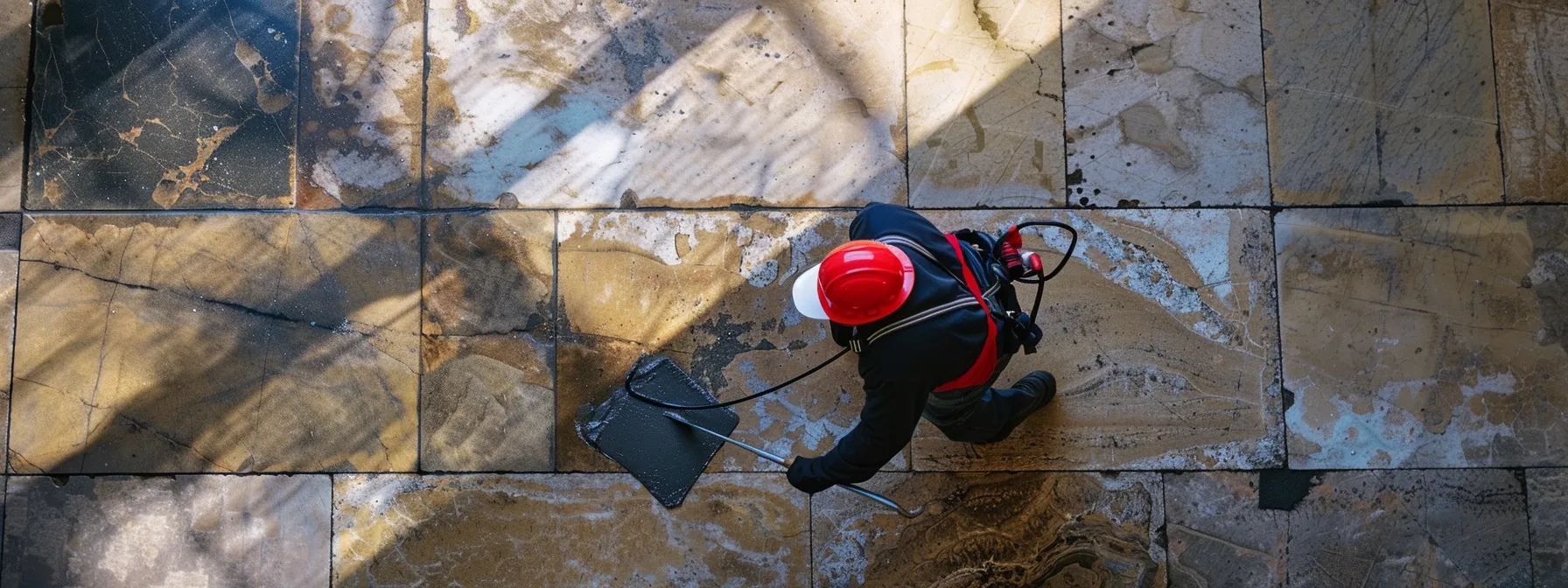
Limestone Tile, known for its natural beauty and versatility, has been a popular choice in interior design for centuries. One of the key factors influencing its durability is its composition. Limestone is a sedimentary rock composed mainly of calcium carbonate, which makes it a relatively soft stone. This softness can affect its resistance to scratches and stains, particularly in high-traffic areas. For those considering various options, using Limestone Tile could be a great choice.
However, limestone’s appeal lies in its ability to age gracefully and develop a unique patina over time. With proper sealing and regular maintenance, such as using a pH-balanced cleaner, limestone can withstand considerable wear and tear. It’s important to note that limestone’s porosity requires it to be sealed to prevent moisture absorption, which can lead to damage.
For those interested in incorporating sustainable materials into their designs, limestone is a natural choice. It aligns well with eco-friendly initiatives like LEED Certification, which recognizes the use of sustainable construction materials.
Porcelain Tile Advantages in Durability
Porcelain tile is renowned for its unparalleled durability and resistance to wear. Manufactured from a refined clay material fired at high temperatures, porcelain tiles are denser and more impervious than limestone. This process results in a tile that is exceptionally strong and able to withstand heavy foot traffic without losing its appearance.
A key advantage of porcelain is its low water absorption rate, making it an ideal choice for areas prone to moisture, such as bathrooms and kitchens. The durability of porcelain is further enhanced by advanced manufacturing techniques, which allow it to mimic the look of natural stone, including limestone, without sacrificing durability.
For projects requiring precise design, porcelain tiles can be easily incorporated into detailed space planning using tools like CAD and SketchUp. This makes them a versatile option for both residential and commercial applications where durability is paramount.
Comparing Limestone and Porcelain for Longevity
When comparing limestone and porcelain for longevity, porcelain generally takes the lead due to its inherent strength and moisture resistance. Porcelain’s ability to maintain its appearance over time makes it a popular choice for high-traffic areas. According to recent reports from ArchDaily, porcelain tiles are often preferred in commercial settings due to their durability.
Limestone, while not as hard as porcelain, offers a unique aesthetic that cannot be replicated. Its natural variations and tactile surfaces provide a warm and inviting atmosphere, making it a preferred choice for spaces designed with a focus on mood and ambiance. Incorporating limestone in areas where it won’t be subjected to heavy wear can extend its lifespan.
Many design professionals suggest using a combination of both limestone and porcelain tiles in an open concept layout, where the durability of porcelain can be utilized in high-traffic zones and the aesthetic qualities of limestone can be showcased in less-trafficked areas.
Choosing the Right Tile for High-Traffic Areas
For high-traffic areas, selecting the right tile is crucial to ensure long-lasting performance. Porcelain tile emerges as the superior choice due to its resilience and ability to withstand constant use without degradation. Its resistance to scratching and staining makes it suitable for areas like entryways and family rooms.
When considering flooring options, consulting a fixture schedule can help in planning the appropriate application and distribution of tiles throughout a space. This ensures that each area receives the right type of tile according to its specific needs.
On the other hand, if your design leans towards an eclectic design approach, incorporating Limestone Tile can add a unique touch. Its natural beauty and ability to complement other materials like wood and metal make it a versatile choice for creative projects. The key is balancing aesthetics with functionality to achieve a design that meets both style and durability requirements.
Conclusion

In comparing limestone and porcelain tiles, porcelain stands out for its unmatched durability, particularly in high-traffic areas. Limestone, with its natural charm, is best suited for less demanding environments. Both materials offer unique advantages, and the choice depends on the specific requirements of your project. By considering factors such as location, usage, and desired aesthetic, you can select the tile that best suits your needs and enhances the overall design of your space.