

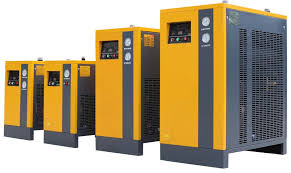
Air dryers with a refrigeration system play an important role in compressed air systems by removing moisture before it causes damage. Moisture in compressed air can lead to corrosion, system failure, and reduced equipment lifespan. Selecting the right air dryer preserves the reliability and performance of tools, machines, and air-powered processes. This article explains the seven most important features to look for when buying these.
Heat-exchange efficiency
A well-designed heat exchanger significantly affects the performance and energy use of Refrigerated Air Dryers. The best models use a dual-stage process that allows the incoming warm air to be pre-cooled by the outgoing cold air. This approach improves cooling performance without demanding extra energy from the refrigerant circuit.
A more efficient heat-exchange process helps maintain a stable dew point and reduces the overall power needed to run the system. Buyers should examine whether the unit includes integrated components such as air-to-air and air-to-refrigerant exchangers working in sequence. Equipment with effective heat transfer mechanisms generally lasts longer and operates more consistently.
Cycling vs non-cycling operation
Another key factor when evaluating these air dryers is their operating mode. Cycling models use sensors and control systems to power down refrigeration components when demand is low. This can lead to noticeable energy savings in operations with variable air usage. In contrast, non-cycling models run continuously and provide constant cooling, regardless of the compressed air load.
While simpler and often lower in upfront cost, non-cycling units may use more energy over time. The choice depends largely on the pattern of compressed air use. Facilities with steady, round-the-clock needs may benefit from the reliability of non-cycling units. However, in systems where demand fluctuates, cycling dryers provide better control and efficiency.
Stable pressure dew point control
The ability to maintain a consistent pressure dew point is critical for protecting downstream equipment. A good refrigerated air dryer keeps the dew point near 38°F (3°C), which is sufficient for most general-purpose applications. Dew point stability helps reduce condensation in pipes, tanks, and air tools, especially during warmer months when ambient humidity is high.
Fluctuating dew points may indicate poor refrigerant control, inadequate design, or capacity mismatch. When evaluating dryers, it’s helpful to review product data and examine dew point tracking under different operating conditions. Stable performance reduces maintenance needs and supports long-term system health.
Integrated filtration and moisture separation
Effective separation of moisture and contaminants is necessary for clean, dry air delivery. Many high-quality refrigerated dryers include built-in filters and moisture separators to simplify the setup. These elements remove condensed water, oil, and particulate matter from the airstream before it leaves the dryer. Some units feature coalescing filters with micron ratings suitable for general industrial applications.
Filtration also improves the performance of downstream components such as regulators, valves, and cylinders. Selecting a dryer with integrated separation reduces installation time and ensures that the air meets quality standards. It is also helpful in minimizing the number of external connections and potential leak points.
Smart controls and diagnostics
Modern air dryers often include electronic controllers to improve monitoring and system oversight. These controls help track key performance values like dew point, operating pressure, and refrigerant temperature. Some systems include alarms and automatic shutdown features that protect the dryer from overload or refrigerant faults. Smart controls can provide early warnings when maintenance is needed or when performance drops.
For some applications, remote monitoring and communication with a central control system may be desirable. While basic models still function well, advanced control panels make operation easier and can reduce troubleshooting time. Choosing a unit with clear interface options enhances reliability and transparency.
Capacity and inlet-temperature adaptability
One of the most practical concerns when buying an air dryer is selecting the correct capacity. Dryer performance is typically rated in standard cubic feet per minute (SCFM), and it should match the average flow of the air compressor. However, actual operating conditions like high inlet temperature or humidity can reduce effectiveness.
Some refrigerated dryers are built to handle elevated inlet air temperatures, often up to 180°F (82°C). Others may require a pre-cooler or aftercooler to maintain efficiency. Choosing a unit designed for a specific environment prevents system strain and ensures reliable drying. Confirming compatibility with the compressor and usage pattern will reduce the likelihood of performance issues.
Selecting the right Refrigerated Air Dryers depends on a balanced review of its design features, operational controls, and suitability for specific conditions. Every feature, from heat-exchange efficiency to the type of refrigerant used, contributes to system performance and service life. Refrigerated dryers are essential to maintaining clean, dry compressed air, and their performance directly affects the productivity and reliability of industrial operations.