

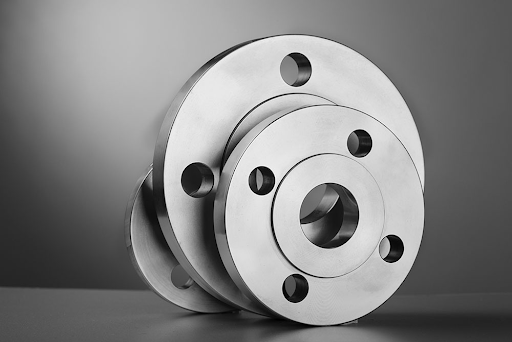
Spiral gaskets are essential components used in many industrial applications to ensure a tight seal between flanged joints. These seals are designed to handle a wide range of operating conditions, including high pressures and fluctuating temperatures. Before selecting the appropriate option, it is important to understand the key factors involved in the decision-making process. This includes considerations of the materials, structure, and compatibility with other system components.
Understanding Spiral Gasket Construction
The construction of spiral wound gaskets is a fundamental factor in their effectiveness. These gaskets consist of alternating layers of metal and filler material wound together. The metal layers provide strength and resilience, while the filler material offers compressibility to create a reliable seal. This unique construction allows the gasket to accommodate movement between flanges and handle various pressure and temperature variations.
When selecting a gasket, it is important to choose one that is built to withstand the specific demands of the application. The metal used in its construction must be compatible with the operating environment, ensuring that it does not corrode over time. The choice of filler material, such as graphite or PTFE, further affects the sealing capabilities and performance in different conditions.
Filler Material Selection
The selection of filler material is crucial to ensuring a gasket provides a reliable seal under pressure. Filler materials, such as graphite, PTFE, or a combination of both, determine how well the gasket performs in different environments. For example, graphite is an ideal choice for high-temperature applications due to its heat resistance, while PTFE is highly effective in environments that demand chemical resistance.
Choosing the correct filler material is important to prevent leaks and ensure the gasket functions properly throughout its service life. When evaluating options, professionals often recommend considering the specific demands of the system, such as temperature, pressure, and exposure to chemicals. The right filler material will provide the necessary sealing properties for the application.
Winding Material Options
The material used for the winding in a spiral gasket significantly influences its durability and performance. Stainless steel is the most common material used for winding, as it provides strength and resistance to corrosion. However, for more demanding applications, materials such as Inconel, Monel, or nickel alloys may be more appropriate due to their higher resistance to very high temperatures.
The choice of winding material should align with the operational requirements of the system. Stainless steel is generally sufficient for most applications, but for environments where higher resistance is needed, other specialized alloys might be needed. It is important to match the winding material to the expected conditions to ensure the gasket remains effective over time.
Gasket Style Comparison
There are different styles of spiral wound gaskets available, each designed to suit particular applications. The standard option is the most common, offering versatility for a wide range of systems. In contrast, the Kammprofile style, which features a solid metal core and a sealing face, is better suited for higher-pressure environments.
Choosing between these styles depends on the pressure requirements and the type of system in which the seal will be used. While standard spiral options are sufficient for many applications, the added sealing capability of the Kammprofile may be necessary in high-pressure situations. Experts typically recommend selecting the style that best meets the sealing requirements.
Temperature Considerations
Pressure and temperature are two of the most critical factors to consider when choosing a spiral seal. It must be able to withstand the pressures exerted by the system and remain effective at the operating temperature. A seal rated for lower pressure than required can fail, leading to leaks and operational issues. To ensure reliability, professionals recommend selecting a seal rated for the highest pressure and temperature conditions the system may experience. It is also important to consider thermal expansion properties, as significant temperature fluctuations can affect the seal’s performance.
Flange Surface Compatibility
The compatibility of a wound gasket with the flange surface is another essential consideration. The gasket must match the surface finish of the flanges to form a reliable seal. Flange surfaces that are too rough or uneven may prevent the gasket from sealing properly, leading to leaks.
Flange surface treatment, such as smoothing or coating, can improve the gasket’s sealing performance. Professionals typically advise ensuring that both the flange surface and the gasket are designed to work together to achieve the best seal. By matching the gasket to the flange surface, the risk of leaks can be minimized, and the system’s integrity can be maintained.
Selecting the right spiral wound gasket requires careful consideration of several factors, including construction, material choice, and operating conditions. Professionals in the sealing industry recommend working with experienced providers to ensure that the correct option is chosen for each specific need. A well-chosen gasket will perform reliably, minimizing the risk of leaks and contributing to the overall efficiency of the system.