

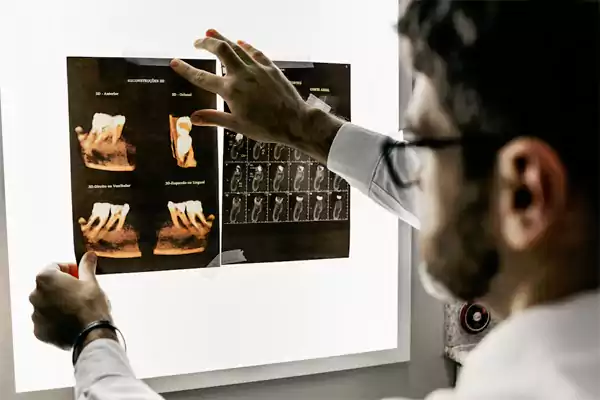
A diag image is a medical picture that shows the inside of the human body. Doctors and healthcare professionals use it to see organs, bones, muscles, and tissues clearly. These images help find problems like broken bones, infections, or diseases before they get worse. By using diag images, doctors can make better decisions and give patients the care they need faster and more safely. People get diag images every day in hospitals, clinics, and diagnostic centers. They are a key part of modern healthcare because they provide information that cannot be seen by looking at the outside of the body. Understanding how diag images work, what they show, and why they are important can help patients feel more informed and confident when undergoing these tests.
What Is a Diag Image?
A diag image is short for “diagnostic image.” It is a picture created by special medical machines that show what is happening inside the body. Unlike normal photographs, diag images reveal bones, organs, tissues, and even fluids in the body. Doctors use these images to check for problems like tumors, injuries, infections, and other health issues. For example, if someone has a persistent pain in the chest, a diag image such as a CT scan can help the doctor see if there is any problem in the lungs or heart. These images also guide doctors in deciding which treatments are best. By showing the exact location and size of an issue, diag images make healthcare more precise and less risky.
How Diag Images Work
Diag images are produced using different machines, each designed to capture a specific type of information. These machines use techniques like X-rays, magnetic waves, sound waves, or radioactive materials to create pictures of the body. Each method highlights different tissues or organs, making it easier for doctors to identify problems.
| Type of Machine | How It Works | What It Shows |
|---|---|---|
| X-ray | Uses small amounts of radiation to create an image | Bones, dense tissue, dental structures |
| CT Scan | Combines multiple X-ray images to make cross-section pictures | Organs, bones, blood vessels |
| MRI | Uses strong magnets and radio waves | Soft tissues, brain, joints, muscles |
| Ultrasound | Sends sound waves that bounce back | Babies in the womb, heart, soft tissues |
| PET Scan | Uses small radioactive materials | How cells and organs work, detects cancer |
Doctors choose the type of diag image based on the patient’s symptoms, the area of the body being examined, and the level of detail required. Each machine gives a different view and provides essential information for diagnosis and treatment planning.
Common Uses of Diag Images
Diag images are used for many purposes in healthcare. They help doctors detect problems early, plan treatments, monitor progress, and avoid surgery when possible. Here are some of the main ways diag images are used:
-
Detect Problems Early
Early detection is one of the biggest benefits of diag images. Doctors can find issues such as small tumors, fractures, or infections before they cause severe symptoms. This early detection increases the chances of successful treatment and can prevent complications later. -
Plan Treatment
Doctors rely on diag images to plan treatments accurately. For example, if a patient needs surgery, images can show the exact location of the problem, allowing the surgeon to operate precisely and safely. -
Monitor Healing
After treatment, diag images are used to check if a patient is healing properly. They show whether a broken bone is mending correctly or whether an organ is responding well to therapy. -
Avoid Surgery
In many cases, diag images can remove the need for exploratory surgery. By showing detailed pictures of internal organs and tissues, doctors can make decisions without performing invasive procedures. -
Track Disease
Patients with chronic conditions, like cancer or heart disease, may need repeated diag images over time. These images allow doctors to track changes in the body, adjust treatments, and ensure that the patient is progressing as expected.
Types of Diag Images
X-ray
X-rays are the most common type of diag image. They use small amounts of radiation to create pictures of bones and dense tissues. X-rays are used to find broken bones, dental problems, lung conditions, and other health issues. They are fast, painless, and widely available, making them an essential tool in healthcare.
CT Scan
CT scans, or computed tomography scans, use multiple X-ray images taken from different angles to create detailed cross-section pictures. CT scans are particularly useful for viewing internal organs, blood vessels, and soft tissues. They are often used to detect tumors, internal injuries, or problems in the chest, abdomen, or brain.
MRI
Magnetic resonance imaging (MRI) uses strong magnets and radio waves to produce clear images of soft tissues. MRIs are especially helpful for examining the brain, muscles, joints, and ligaments. They provide more detail than X-rays or CT scans, making them valuable for diagnosing injuries or conditions that affect soft tissues.
Ultrasound
Ultrasound uses sound waves to create images in real time. It is safe, non-invasive, and often used for monitoring pregnancies, examining the heart, and viewing other soft tissues. Ultrasounds do not use radiation, making them safe for babies and pregnant women.
PET Scan
Positron emission tomography (PET) scans use small amounts of radioactive material to show how organs and cells function. PET scans are commonly used in cancer detection, brain studies, and monitoring how treatment affects the body. They give doctors information not only about structure but also about how the body is working.
How to Prepare for a Diag Image
Preparation depends on the type of scan being performed:
-
X-ray: Usually, no preparation is needed. Patients may be asked to remove metal objects.
-
CT scan: Patients may need to drink a contrast solution or receive an injection to make organs more visible.
-
MRI: Metal objects must be removed, and sometimes fasting is required. Patients should stay still during the scan.
-
Ultrasound: Patients may need to drink water or fast depending on the type of ultrasound.
-
PET scan: Food intake may be limited, and patients may need to avoid strenuous activity before the scan.
Following instructions carefully ensures that the diag image is clear and accurate, providing the doctor with the best possible information for diagnosis.
What to Expect During a Diag Image
When a patient undergoes a diag image, the process is simple and painless:
-
The patient is guided to the machine and positioned for the scan.
-
The technician ensures the area being examined is correctly aligned.
-
The machine takes images, which may take a few seconds to several minutes depending on the test.
-
A radiologist reviews the images and identifies any abnormalities or concerns.
-
The doctor discusses the results with the patient and explains the next steps.
Most patients experience no discomfort, and the procedure is much safer than surgical alternatives.
Safety of Diag Images
| Type | Safety Notes |
|---|---|
| X-ray | Low radiation; generally safe with precautions |
| CT scan | Higher radiation; limited use is recommended |
| MRI | No radiation; safe but loud and may feel confined |
| Ultrasound | Safe; no radiation |
| PET scan | Small radioactive dose; exposure is controlled |
Doctors take safety seriously. They weigh the benefits of the scan against any risks. Pregnant women or children may be given alternative methods to avoid unnecessary exposure.
Benefits of Diag Images
-
Early Detection: Problems can be found before symptoms appear.
-
Better Treatment Planning: Doctors can make precise treatment decisions.
-
Safer and Non-Invasive: Many scans reduce the need for surgery.
-
Faster Care: Results are often available quickly, speeding up treatment.
-
Monitoring: Doctors can track healing, disease progress, or treatment effectiveness.
By using diag images, healthcare professionals can provide better care, prevent complications, and improve patient outcomes.
Summary of Diag Images
| Feature | Details |
|---|---|
| Purpose | Show the inside of the body to find problems |
| Benefits | Early detection, accurate treatment, safe, non-invasive |
| Common Types | X-ray, CT scan, MRI, Ultrasound, PET scan |
| Uses | Detect disease, monitor recovery, plan surgery |
| Safety | Controlled radiation; alternative methods for children and pregnant women |
Diag images are an essential part of modern healthcare. They help doctors give accurate care, reduce risk, and support faster recovery.
Conclusion
A diag image is a key tool for doctors to see inside the human body. It helps detect health problems early, plan treatment, monitor healing, and avoid unnecessary surgery. Common types of diag images include X-ray, CT scan, MRI, ultrasound, and PET scan. Each type serves a different purpose but provides essential information for healthcare decisions.
Using diag images ensures safer, faster, and more effective healthcare. They are powerful tools that help doctors provide better care and help patients understand their health. Anyone visiting a clinic or hospital may benefit from knowing what a diag image is and why it is used.